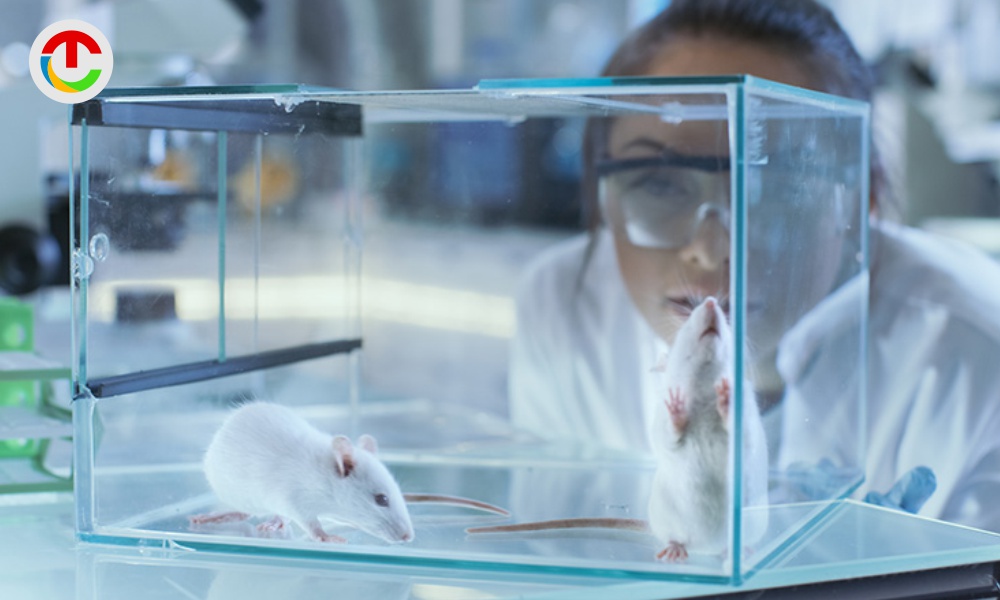
Animal testing in carrying out research is a traditional thing going on. Being legal in the United States, it still has differences of opinion between animal lovers and scientists. These animals are used to learn more about health problems that affect both humans and animals. Scientists opt for animals when there is no alternative & also it is impractical or not ethical to study humans.
The Role of Living Systems in Medical Research
Modern medicine is built on understanding how entire biological systems function. While computer simulations, cell cultures, and lab-grown tissues have improved dramatically, they still cannot fully replicate how a living organism responds to disease or treatment.
The human body is an interconnected system. A drug that works well on isolated cells may behave very differently once introduced into the bloodstream, interacting with organs, immune responses, and metabolic processes. Animal testing remains one of the few ways researchers can study these complex interactions before human trials begin.
This step helps scientists identify potential risks early, protecting human volunteers from unnecessary harm.
Ensuring Drug Safety Before Human Trials
Before any new drug reaches clinical trials, regulators require extensive safety data. This includes understanding toxicity, dosage limits, and long-term side effects. Jumping directly to human testing without prior biological evidence would be unethical and dangerous.
Research involving animals helps determine:
- Whether a drug is safe enough for initial human exposure
- How it is absorbed, distributed, and eliminated by the body
- Potential organ damage or adverse reactions
Without this step, modern medicine as we know it including cancer therapies, insulin, antibiotics, and vaccines would not exist.
Regulatory and Legal Requirements
Another reason animal testing continues is regulation. Global health authorities such as the FDA, EMA, and WHO require preclinical safety data before approving human trials. These regulations exist to protect patients, not to slow innovation.
Although alternative methods are encouraged and increasingly accepted, they must first prove they can reliably predict human outcomes. Until they fully meet regulatory standards across all therapeutic areas, animal-based studies remain a required component in many approval pathways.
This ensures consistency, reproducibility, and accountability in medical research.
Advancing Treatment for Complex Diseases
Some diseases simply cannot be studied effectively without living models. Conditions like Alzheimer’s, Parkinson’s, autoimmune disorders, and certain cancers involve intricate biological mechanisms that unfold over time.
Researchers use animal models to:
- Observe disease progression
- Study genetic and neurological factors
- Test long-term treatment effects
These insights have led to breakthroughs that directly improve human quality of life. In such cases, animal research is not about convenience it is about scientific necessity.
Ethical Oversight and Welfare Standards
Contrary to popular belief, modern research involving animals is highly regulated. Ethical review boards evaluate every study to ensure that animal use is justified, minimized, and humane.
The widely accepted 3Rs principle governs research practices:
- Replacement – Use alternatives whenever possible
- Reduction – Use the smallest number of animals necessary
- Refinement – Minimize pain, distress, and suffering
These standards ensure that in vivo testing is conducted responsibly, transparently, and only when no viable alternative exists.
Why Alternatives Have Not Fully Replaced It Yet
Innovations such as organ-on-a-chip technology, AI modeling, and advanced simulations are promising and increasingly used. However, they still have limitations. Most alternatives focus on isolated processes rather than whole-body responses.
Science is moving toward reducing animal-based research, but eliminating it entirely requires alternatives that can match biological complexity with equal reliability. Until then, a combination of traditional and emerging methods remains the safest path forward.
A Matter of Balance, Not Extremes
The debate around animal testing is often framed as science versus ethics. In reality, ethical responsibility is deeply embedded in scientific practice. Researchers, regulators, and institutions continuously work to reduce reliance on animals while ensuring human safety is never compromised.
The goal is not permanence but progress. Each advancement in alternative research methods brings science closer to a future where fewer animals are used without putting lives at risk.
Conclusion
Medical science exists to alleviate suffering and save lives. While in vivo testing remains controversial, its continued use reflects the current limits of technology rather than a lack of compassion.
As innovation accelerates, the role of animals in research will continue to evolve. Until fully reliable alternatives exist, this practice remains a carefully regulated bridge between scientific discovery and human safety one that researchers worldwide are actively working to shorten.