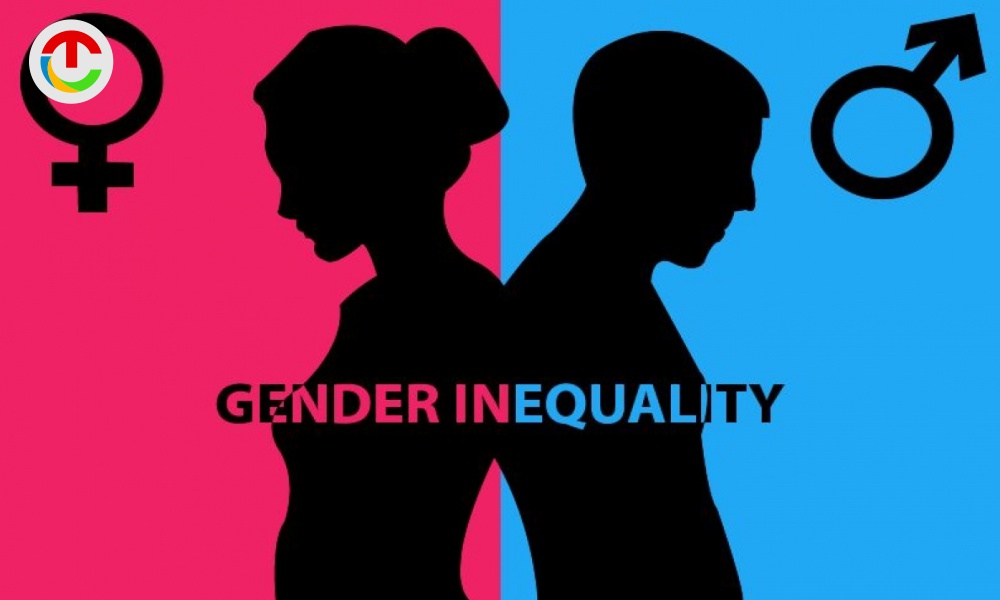
As the United States steps into 2026, many people ask a fair question: haven’t we already made enough progress? Women lead major companies, laws prohibit discrimination, and conversations about fairness are mainstream. Yet gender equality remains unfinished business, not because progress hasn’t happened, but because the gap between policy and lived reality is still wide for millions of Americans.
This isn’t about ideology. It’s about everyday outcomes: paychecks, healthcare access, safety, leadership, and opportunity. And those outcomes continue to shape families, workplaces, and communities across the country.
Progress Doesn’t Mean Completion
There is no denying the gains. Women’s workforce participation is near historic highs. More women hold college degrees than men. Representation in politics and corporate leadership has improved, even if unevenly.
But progress can stall or reverse if it’s taken for granted. Wage gaps persist across nearly every industry. Women, especially women of color, remain underrepresented in executive roles and overrepresented in lower-paid, insecure work. These patterns aren’t abstract; they affect household stability, retirement security, and long-term economic growth.
This is why gender equity still demands attention, not as a slogan, but as a measurable goal tied to real outcomes.
The Economic Case Is Personal
In the U.S., work is closely tied to dignity and independence. Yet women, on average, continue to earn less than men for comparable roles. Over a lifetime, that difference can amount to hundreds of thousands of dollars lost in wages and benefits.
For single-parent households, most of which are led by women, these disparities hit even harder. Childcare costs, healthcare expenses, and housing prices don’t adjust downward for lower pay. When fairness in earnings improves, entire families benefit.
Economists consistently show that closing these gaps strengthens the broader economy. When people are paid fairly, they spend, save, and invest more. That’s why gender equity isn’t just a social issue; it’s an economic one with national consequences.
Workplaces Still Shape Opportunity
Modern workplaces have changed, but structural barriers remain. Flexible work policies expanded after the pandemic, yet women are more likely to be penalized for using them. Leadership pipelines still favor traditional career paths that don’t always account for caregiving responsibilities.
Bias, often subtle, not malicious, continues to influence hiring, promotion, and evaluation. Many organizations address this through training and policy updates, but lasting change requires accountability and data, not just good intentions.
When workplaces commit seriously to gender equality, they tend to see better retention, stronger leadership teams, and healthier cultures. Fairness, it turns out, is good management.
Health, Safety, and Education Still Vary by Gender
Equality isn’t limited to boardrooms. It shows up in doctors’ offices, classrooms, and public spaces. Women in the U.S. often face higher healthcare costs and inconsistent access to services, especially in rural or underserved areas.
Education outcomes also reveal gaps. While girls often perform well academically, they remain underrepresented in certain high-paying fields, including engineering and advanced technology. These disparities don’t emerge overnight; they’re shaped by expectations, encouragement, and access starting early in life.
Addressing gender equity at these levels helps ensure that talent, not stereotypes, determines opportunity.
Democracy Works Best When Everyone Is Heard
Representation matters in a democracy. While the U.S. has seen more women elected to office than ever before, leadership still doesn’t fully reflect the population it serves. Diverse perspectives improve decision-making, particularly on issues like healthcare, education, and family policy.
Civic participation also extends beyond elections. It includes whose voices are heard in public debate, whose experiences are believed, and whose needs shape policy priorities.
Sustaining gender equality strengthens democratic trust by reinforcing a simple principle: everyone deserves a seat at the table.
Why 2026 Is a Turning Point
Cultural shifts, economic uncertainty, and rapid technological change make this moment especially important. Artificial intelligence, remote work, and new labor models will redefine opportunity. Without intentional safeguards, old biases can be coded into new systems.
The choices made now by lawmakers, employers, educators, and communities will shape the next decade. Equality doesn’t advance on autopilot; it requires awareness, evidence, and consistent effort.
Clarity in Air
The goal isn’t perfection. It’s progress that reaches people where they actually live and work. Gender equality still matters in 2026 because fairness isn’t a finished chapter; it’s an ongoing commitment to shared opportunity, dignity, and growth. When equality advances, the country moves forward with it. And that’s a future worth continuing to build.