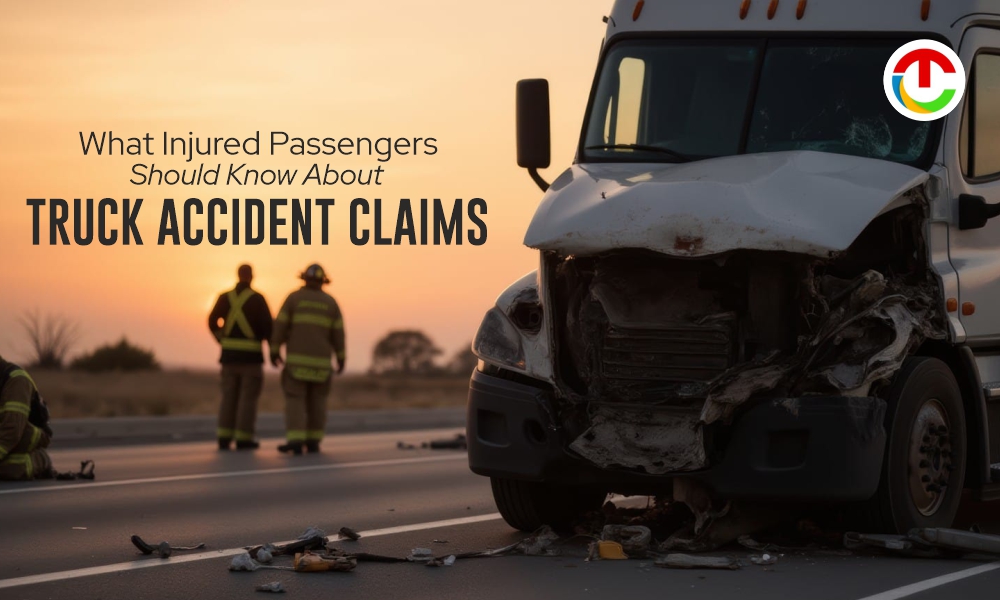
Large truck crashes often leave passengers hurt, confused, and unsure about the next steps. These events differ from standard car collisions due to vehicle size, cargo weight, and federal rules. Passengers often face medical stress, lost wages, and long recovery periods. Clear facts about rights and claim options can reduce fear and help set realistic expectations after a serious road incident.
After the shock fades, many passengers start to look for guidance. A truck accident case lawyer often becomes part of that search early on, since truck claims involve complex rules that differ from typical auto claims. Early awareness of how these cases work can protect legal rights and prevent costly mistakes.
Why Truck Crashes Create Unique Claim Issues
Truck collisions tend to cause greater harm due to vehicle mass and stopping distance. Passenger injuries may involve multiple body areas and long care plans. Claims often include more than one liable party, which raises complexity. Truck operators, fleet owners, and cargo handlers may each play a role. Federal safety rules also affect fault analysis. These layers can slow progress and require careful review of records and reports.
Key Parties That May Share Responsibility
Liability often extends beyond the truck driver. Several groups may carry legal responsibility, based on facts tied to the crash.
Commonly Involved Parties
- Truck driver
- Motor carrier or fleet owner
- Cargo loader or shipper
- Maintenance provider
- Parts manufacturer
Each party may carry separate insurance coverage. This structure affects claim value and negotiation steps.
Evidence That Shapes a Strong Claim
Solid proof supports fair outcomes. Truck cases rely on records that differ from standard auto crashes.
Valuable Forms of Proof
- Driver logbooks and duty records
- Vehicle inspection and repair files
- Black box data from the truck
- Police reports and witness accounts
- Medical records that link injuries to the crash
Prompt collection matters, since some records face limited retention periods under federal law.
Passenger Rights After a Truck Crash
Passengers often assume fewer rights because they lack control over either vehicle. That view lacks accuracy. Passengers usually have strong legal standing, since fault rarely lies with them. Medical care access, wage loss recovery, and pain impact claims remain available. State laws may affect time limits and damage rules, so early review of options proves helpful.
Insurance Challenges Passengers May Face
Truck insurers often act fast after a crash. Adjusters may seek recorded statements or quick settlements. These offers may fail to reflect long-term care needs or future wage loss. Careful review of any settlement terms matters. Once accepted, future claims often end, even if new health issues arise later.
How Legal Support Fits Into the Process
Legal support helps organize facts, secure records, and manage insurer talks. Case review often includes accident analysis, medical review, and damage estimates. This support allows injured passengers to focus on their health needs rather than paperwork stress. In later stages, a truck accident case lawyer may help assess trial risk versus settlement value, based on proof strength and local court trends. This guidance supports informed choices rather than rushed decisions.
Claim Timelines and What to Expect
Truck claims often last longer than car crash cases. Multiple insurers, expert reviews, and record analysis add time. Patience and steady documentation support progress. Court deadlines still apply, even during medical recovery. Missed filing dates may end recovery rights, which makes early planning vital.
Truck accident claims involve layers of law, insurance, and technical detail. Passengers hold strong rights, yet complex rules require careful attention. Early awareness, solid records, and informed guidance can protect recovery options. A calm, prepared approach often leads to fair outcomes and peace of mind after a difficult road event.