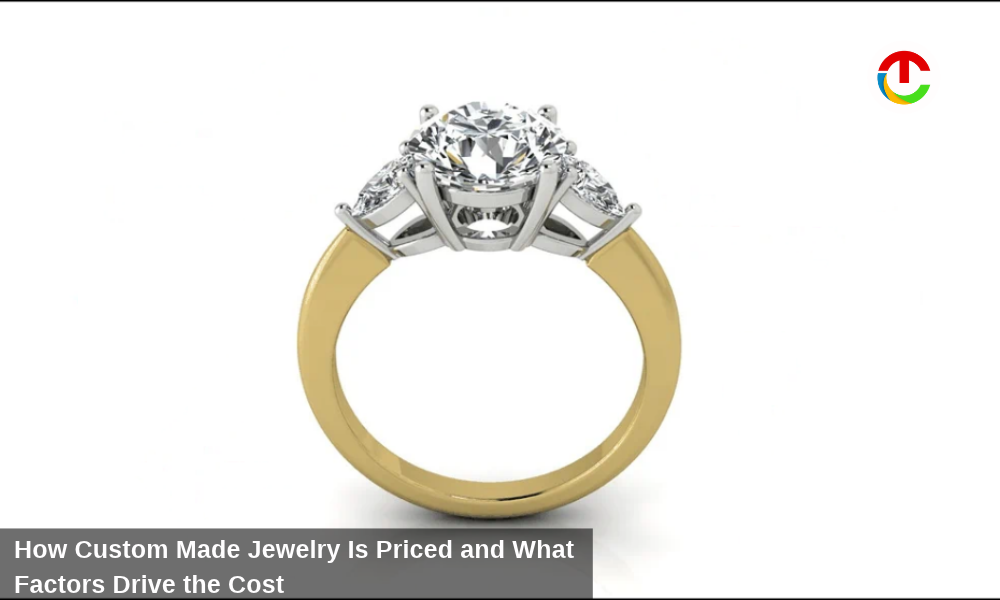
When you shop for ready-made jewelry, the price is usually right there on the tag. Custom Made Jewelry works differently. You may have a design in mind, but you may not know what that design will cost until you discuss the details with a jeweler. That uncertainty can make budgeting difficult, especially when you are choosing a ring for an engagement, wedding, or major milestone.
Custom jewelry pricing becomes easier to understand when you know how the price is determined. The final amount reflects the materials, design work, craftsmanship, and choices you make. You can also adjust certain details when you understand which decisions have the greatest effect on cost. That gives you more control without giving up the look you want.
This guide explains how custom-made jewelry is priced and which factors can raise or lower the final cost.
How Custom-Made Jewelry Is Priced?
The price usually develops through several stages, from your initial concept to the finished piece. Understanding each stage can help you make better choices before production begins.
1. Start With Design and Consultation
The pricing process usually starts with your design concept. You may bring a sketch, an inspiration photo, an existing piece, or only a general idea. When exploring custom made jewelry, you can work with your jeweler to turn that starting point into a defined design by discussing the shape, proportions, stones, metal, and details you want.
Your consultation also helps establish the scope of the project and your budget. A simple band has different requirements from a detailed engagement ring with several stones. Sharing your priorities early can help your jeweler recommend options that balance your desired appearance with your budget.
2. Calculate Materials and Stones
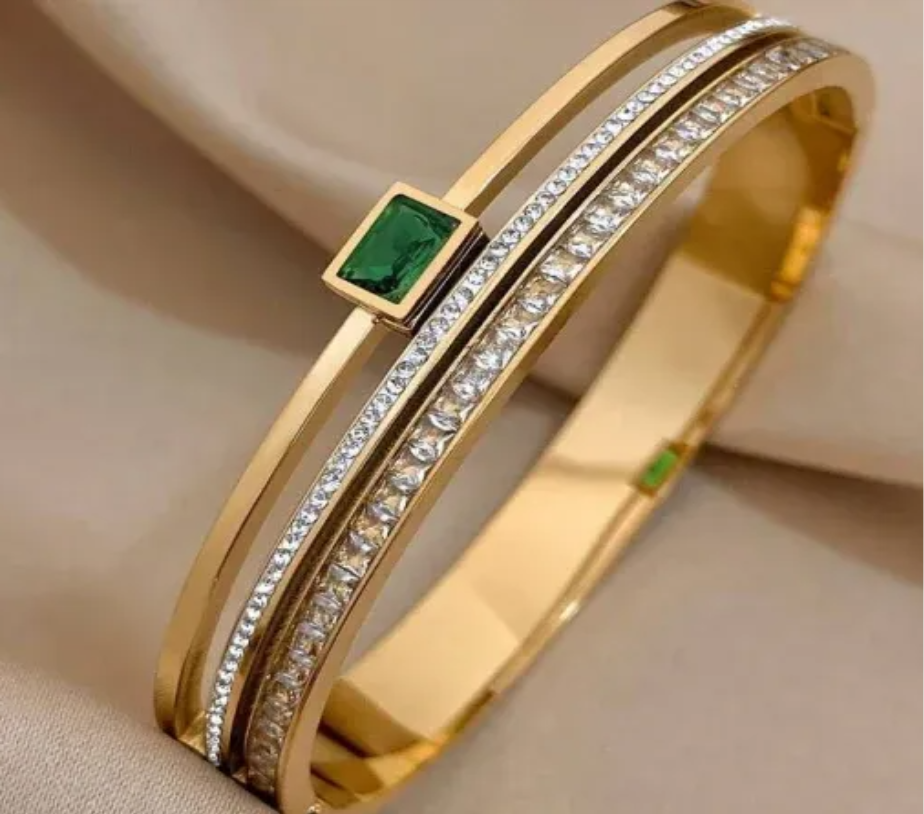
Materials form another major part of the price. Your jeweler considers the type and amount of metal required for your design. The cost can vary based on whether you choose gold or platinum, along with the amount of metal needed for the finished piece. The size and structure of the design can also affect how much material is needed.
Stones can have an even greater effect on total cost, particularly for engagement rings. Diamond pricing depends on characteristics such as carat weight, cut, color, and clarity. Gemstones also vary in value based on type, quality, size, color, origin, and availability. Choosing a stone based on your priorities can help you manage the overall budget.
3. Add Labor and Production
Custom jewelry also includes the skilled work required to turn your design into a finished piece. Depending on the project, that work may include CAD design, modeling, fabrication or casting, stone setting, polishing, finishing, and quality inspection. Each step helps ensure the finished piece matches the approved design.
The production process depends on your design. A straightforward band may require fewer steps than a ring with intricate details and multiple stones. The final quote therefore reflects not only raw materials but also the expertise and time required to create your specific piece. More detailed designs may require additional time to complete accurately.
What Factors Drive the Cost?
Once you understand how the price is developed, you can look at the specific choices that have the greatest effect on your final cost. Some decisions have a much larger impact than others.
1. Consider Metal Type and Weight
The type of metal you choose can affect your jewelry’s final price. Gold and platinum have different material costs, and the amount of metal used also matters. A wider or thicker band generally requires more material than a narrow, lightweight design.
Gold comes in different karat levels, including 14K and 18K. Higher-karat gold contains a greater proportion of pure gold, which can affect material cost. Yellow, white, and rose gold also use different alloy combinations.
2. Evaluate Stone Quality and Size
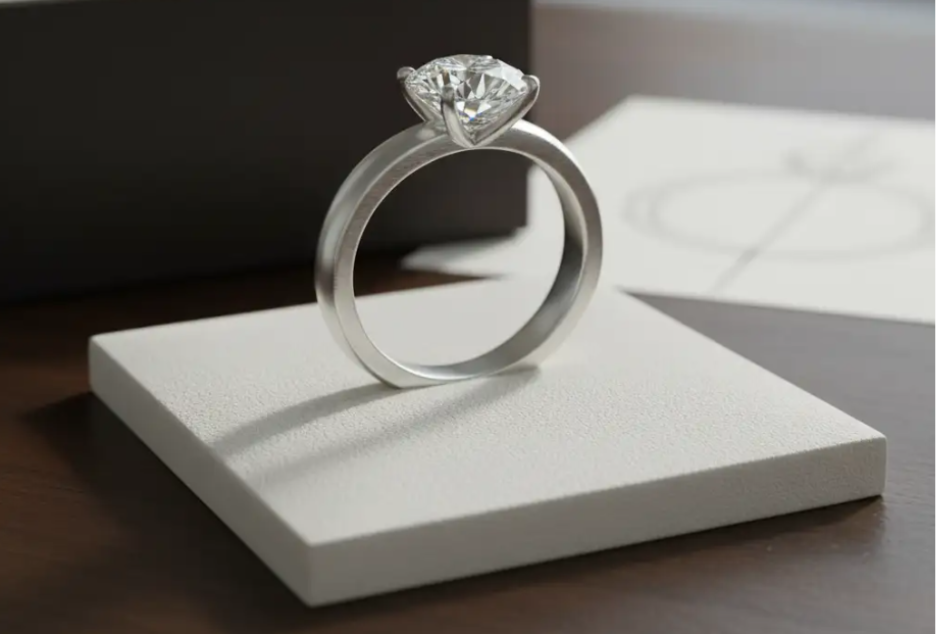
The center stone can be one of the biggest cost drivers in custom jewelry. With diamonds, carat weight is only one consideration. Cut, color, and clarity can also affect value, so a larger diamond is not automatically the right choice for your budget or design. A well-chosen stone can give you the look you want without making size your only priority.
Colored gemstones can vary considerably in price as well. Sapphires, rubies, emeralds, and other stones can differ based on color, clarity, size, origin, treatment, and availability. Decide which qualities matter most to you before choosing a stone. This helps you focus your budget on the characteristics that matter most to your design.
3. Account For Design Complexity
Design complexity can affect both labor and production requirements. A simple ring with clean lines usually requires fewer design and fabrication steps than a highly detailed piece. Multiple stones, intricate patterns, unusual shapes, and specialized settings can require additional work.
Custom jewelry gives you control over details that may not be available in ready-made pieces. You can choose a particular band profile, stone arrangement, finish, engraving, or setting style. Start with the elements that define your vision, then decide which additional features are worth adding.
4. Factor In Craftsmanship and Labor
Skilled craftsmanship is an important part of custom jewelry pricing. Your piece may require precise stone setting, careful shaping, detailed finishing, or specialized fabrication. More demanding construction can require additional time and expertise.
When you review a quote, consider the craftsmanship behind the jewelry rather than comparing material costs alone. Custom work requires professionals to interpret your specifications and execute the design accurately. Labor accounts for the specialized work required to turn your concept into a finished piece.
5. Review Custom Features and Finishing
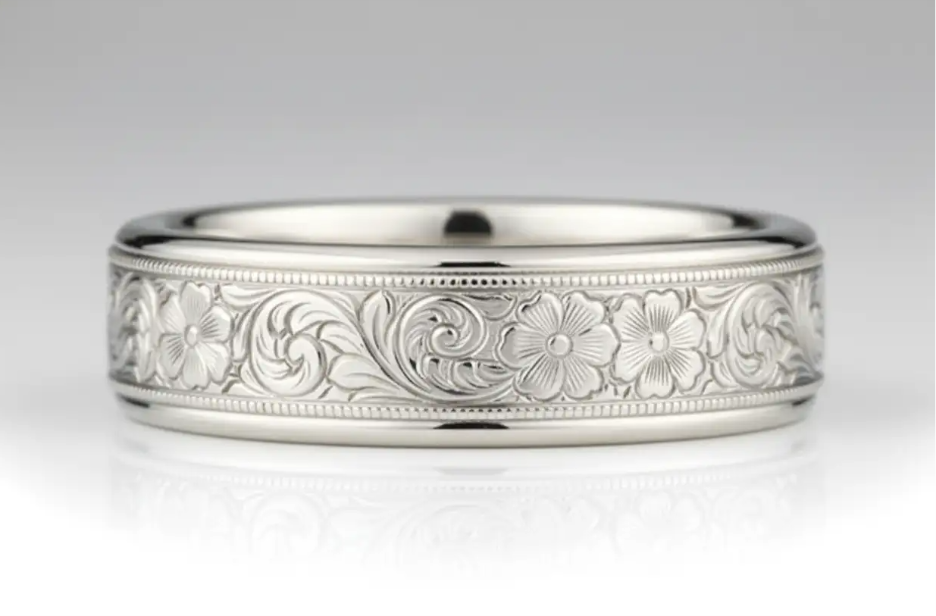
Small details can also affect the final price. Engraving, special finishes, additional stones, unusual settings, and personalized design elements may require extra design or production work. The cost impact depends on the specific piece and the complexity of each request.
Before approving the design, ask your jeweler which features have the greatest effect on the quote. If you are exploring custom made jewelry, discussing materials, stones, design details, and production can help you make confident decisions. You can then allocate more of your budget to the features that matter most to you.
Conclusion
Custom-made jewelry is priced by combining the materials, stones, design work, craftsmanship, and production required for your specific piece. The main cost drivers often include metal type and weight, stone characteristics, design complexity, labor, and personalized features. Understanding these elements gives you a clearer picture of where your money goes.
Before approving a design, identify your top priorities and ask for a clear explanation of the major costs. You can adjust secondary details if needed while keeping the core design intact. With a thoughtful approach, you can create custom jewelry that reflects your style, meets your needs, and fits your budget.
Also Read :- How Tech Is Reshaping Lab-Grown Diamond Engagement Rings