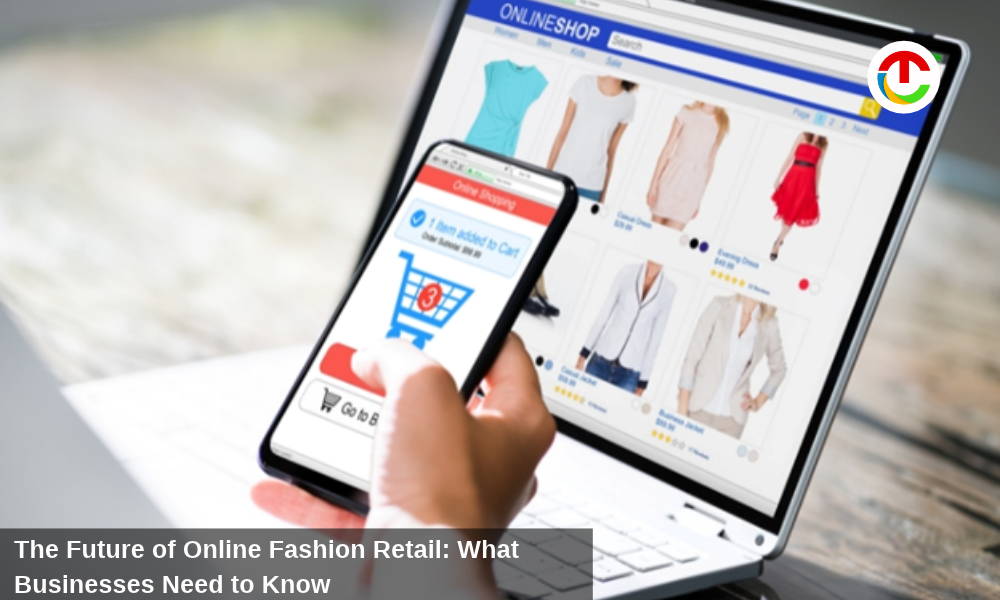
[Photo by AndreyPopov on Canva].
Buying a new outfit once meant visiting several stores, searching through clothing racks, and hoping to find the right size. Today, shoppers can compare styles, discover independent designers, and purchase clothing from businesses around the world without leaving home.
But selling fashion online involves more than setting up a website and uploading product photographs.
Customer expectations are changing, technology is influencing how people shop, and smaller retailers have new opportunities to compete with established fashion companies.
For businesses, understanding these changes is becoming increasingly important. The future of online fashion retail will depend on how effectively retailers use technology, communicate their value, and make shopping convenient.
How E-Commerce Is Changing the Fashion Industry?
Fashion brands no longer need a physical store in every city where they want to attract customers. An online storefront can showcase products to shoppers across different regions.
This creates opportunities for independent labels that specialize in particular clothing categories. Instead of offering something for everyone, smaller businesses can focus on customers with specific preferences, budgets, or shopping needs.
However, increased accessibility also means greater competition.
Customers can compare products from multiple retailers within minutes. Businesses must therefore give shoppers convincing reasons to choose their products. Clear product information, transparent pricing, reliable delivery, and responsive customer service can all influence purchasing decisions.
Retailers should regularly review their websites from a customer’s perspective. If finding sizes, checking delivery costs, or understanding return policies feels unnecessarily difficult, improvements in these areas may be more useful than introducing another marketing campaign.
Why Artificial Intelligence Is Changing Online Shopping?
Artificial intelligence is influencing how online retailers manage product discovery, customer support, and everyday business operations.
For fashion businesses, one potential application is helping customers find clothing that matches their preferences. Shoppers may receive suggestions based on the categories, colors, or styles they select.
AI tools can also help retailers organize product information and answer routine customer questions.
1. Making Product Discovery Easier
Useful search filters for size, color, price, and occasion help shoppers find relevant products without unnecessary browsing. AI-assisted search can make these functions more flexible by interpreting descriptive requests, such as a customer looking for a formal dress for an evening event.
2. Improving Customer Support
Automated systems can answer common questions about delivery options, product availability, and return procedures. However, businesses should offer human assistance when customers face complicated problems.
The Growing Appeal of Niche Fashion Brands
Large fashion retailers often compete by offering extensive product ranges. Independent brands can take a different approach by focusing on a particular audience.
Special occasion fashion provides a useful example. Someone shopping for a birthday celebration, formal dinner, or wedding reception may want something distinctive rather than an everyday outfit.
Businesses specializing in these occasions can tailor their product selection and messaging around those needs. Ellaé Lisqué, for example, focuses on affordable luxury statement dresses and special-occasion wear, showing how a fashion brand can define its offering around a specific customer preference.
Its online storefront, ellaelisque.com, is a specialist fashion retail destination positioned around distinctive occasionwear without traditional high-end designer pricing.
For businesses considering a similar approach, the lesson isn’t simply to select a narrow product category. They must understand what customers value within that category.
Why the Customer Experience Matters More Than Ever?
An attractive website might encourage someone to browse, but the overall shopping experience influences whether they complete a purchase.
Fashion presents particular challenges because customers cannot always inspect fabrics or try on garments before ordering.
Retailers can address these concerns with detailed product descriptions and helpful visuals.
Consider these practical improvements:
1. Provide clear sizing information:
Include garment measurements and explain how customers should use size guides.
2. Use informative product photographs:
Show clothing from different angles and include close-ups of relevant details.
3. Explain materials and care requirements:
Help shoppers understand how garments feel, fit, and how to care for them.
4. Make checkout straightforward:
Avoid unnecessary steps and clearly display the final cost.
5. Communicate delivery and returns policies:
Give customers the information they need before purchasing.
How Social Commerce and Digital Marketing Are Evolving
Fashion has always been influenced by visual presentation, making social platforms particularly relevant to online retailers.
Customers may encounter a new brand through styling videos, creator content, or photographs shared by other shoppers.
This means product discovery doesn’t always begin with a traditional search engine. However, attracting attention and generating sales are different challenges.
Retailers need to consider how social content connects to their websites and purchasing processes.
A customer who sees an interesting dress online should be able to find accurate information about the product without searching through unrelated pages.
Businesses can improve their approach by creating content that answers practical shopping questions.
For instance, a retailer specializing in formalwear might publish guides about choosing dresses for different events or understanding garment measurements.
Preparing for the Next Stage of Online Fashion Retail
Retailers don’t need to adopt every emerging technology to remain competitive.
A more practical approach is to identify the parts of their business that customers find difficult and address those problems first.
A useful starting point is to review three areas: product discovery, purchasing convenience, and customer communication.
Businesses can then prioritize improvements based on their available resources.
For example, a small retailer might benefit more from clearer sizing information and better product photography than an expensive AI personalization system.
Companies considering international expansion should also evaluate delivery costs, customs requirements, payment preferences, and customer support arrangements.
Sustainable growth depends as much on operational reliability as on marketing visibility. Retailers that regularly collect customer feedback and review purchasing difficulties will be better positioned to adapt as shopping habits change.
Conclusion
The future of online fashion retail will involve more than advanced technology and attractive digital storefronts.
Customer expectations, specialist retail markets, and the growing importance of convenient shopping experiences will continue shaping how fashion businesses operate.
For established retailers and emerging brands alike, success will depend on understanding customer needs and making thoughtful improvements.
Start with the fundamentals: accurate product information, easy navigation, transparent policies, and dependable service. Then consider how new technologies can address specific problems.
Businesses should also think carefully about their market positioning and what sets their offerings apart from competitors.
As online shopping continues to evolve, the brands that respond thoughtfully to changing customer expectations will have a stronger foundation for lasting growth.[Photo by AndreyPopov on Canva].
Also Read :- Amazon Online Marketplaces Linked to Sales of Unsafe Toys in Europe