Quality Protective Equipment plays an important role in industries where employees regularly encounter physical hazards. In sectors such as construction, manufacturing, engineering, and metalworking, workers rely on specialized equipment to reduce their exposure to potentially dangerous working conditions.
For businesses, the quality and suitability of personal protective equipment (PPE) can influence several aspects of daily operations. Understanding the relationship between workplace safety, employee performance, regulatory compliance, and operational costs can help organizations make more informed decisions about their safety practices.
Understanding The Role Of Personal Protective Equipment
Quality Protective Equipment refers to clothing and equipment designed to minimize exposure to workplace hazards. Common examples include safety helmets, protective eyewear, gloves, hearing protection, respiratory protection, and specialized footwear.
The type of equipment required depends on the hazards associated with a particular occupation or task. For example, construction workers may require head protection against falling objects, while welders need appropriate eye and face protection against intense light, sparks, and flying particles.
PPE is generally considered one of the final layers of protection within a workplace safety strategy. Employers should first identify hazards and implement suitable engineering or administrative controls before relying on protective equipment to manage remaining risks.
How Quality Protective Equipment Helps Reduce Workplace Injuries ?
Workplace injuries can occur when employees are exposed to hazards without adequate protection. These incidents may involve burns, eye injuries, cuts, respiratory problems, hearing damage, or injuries caused by falling or moving objects.
Appropriate protective equipment can reduce the severity or likelihood of certain injuries when used correctly. Safety glasses help protect against airborne particles, protective gloves reduce exposure to specific hand hazards, and suitable respiratory equipment can limit inhalation of certain harmful substances.
However, protective equipment must be selected according to the hazards present in the workplace. Unsuitable, damaged, poorly fitted, or incorrectly used equipment may fail to provide the expected level of protection.
Regular workplace assessments help employers identify where protective equipment is necessary and whether existing safety measures remain effective.
The Relationship Between Workplace Safety And Productivity
Workplace safety and productivity are closely connected because injuries and unsafe working conditions can disrupt normal business activities. When employees are injured, businesses may experience delays, staff shortages, additional training requirements, and interruptions to production schedules.
Quality Protective Equipment can also influence how comfortably employees perform their tasks. Equipment that restricts movement, reduces visibility, or causes unnecessary discomfort can make certain tasks harder to complete.
For this reason, ergonomics and usability are important considerations when evaluating protective equipment. Adjustable components, suitable materials, and appropriate sizing can help workers maintain mobility and perform their responsibilities without unnecessary physical strain.
Comfort should never come at the expense of protection, but equipment that balances both considerations may encourage more consistent use.
Understanding The Financial Impact Of Workplace Injuries
Workplace accidents can create direct and indirect expenses for businesses. Direct costs may include medical treatment, workers’ compensation claims, equipment repairs, and other immediate consequences of an incident.
Indirect costs can be more difficult to measure because they often affect several areas of business operations. These may include lost productivity, overtime payments, temporary staffing, administrative work, employee retraining, and project delays.
Serious incidents can also affect customer relationships when businesses struggle to meet contractual obligations or maintain expected production schedules. Depending on the circumstances, workplace accidents may lead to regulatory investigations or legal expenses.
Although protective equipment cannot eliminate every workplace hazard, appropriate PPE forms part of a broader risk management strategy that can help reduce preventable injuries and their associated costs.
Evaluating The Long-Term Cost Of Quality Protective Equipment
The purchase price of protective equipment represents only one component of its overall cost. Businesses must also consider durability, maintenance, replacement frequency, storage requirements, and the availability of replacement components.
Quality Protective Equipment used in demanding industrial environments may wear out quickly due to regular exposure to heat, moisture, dust, and physical impacts. Products designed for the relevant working conditions may offer longer service lives, although their durability depends on proper use and maintenance.
Organizations can evaluate equipment costs by considering the expected service life alongside its protective performance and maintenance requirements. This approach provides a more complete understanding of expenditure than comparing initial prices alone.
However, even expensive protective equipment must be replaced when it becomes damaged, reaches its recommended service limit, or no longer provides adequate protection.
Protective Quality Protective Equipment Requirements In Specialized Industries
Different occupations involve distinct hazards, making industry-specific protective equipment necessary. For example, electricians may require equipment designed to protect against electrical hazards, while workers handling chemicals may need protective clothing and gloves resistant to particular substances.
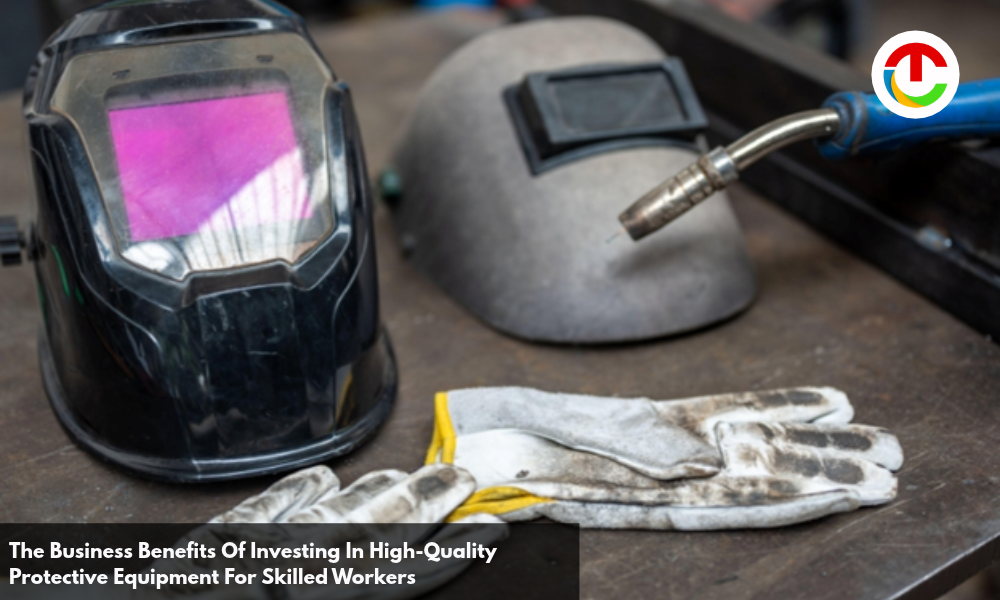
Welding is another occupation that requires specialized protection because the process can generate intense optical radiation, hot metal, sparks, and airborne contaminants. Welding helmets help protect the eyes and face, while additional equipment may be necessary to address respiratory, hearing, and skin hazards.
Businesses researching equipment specifications may encounter different helmet designs, viewing technologies, and protective features when they shop welding helmets. Understanding these differences is important because the appropriate helmet depends on the welding process, exposure conditions, and applicable safety requirements.
Employers should assess the complete working environment rather than selecting protective equipment based on appearance, price, or convenience alone.
Meeting Occupational Health And Safety Requirements
Occupational safety regulations establish responsibilities for employers operating in potentially hazardous environments. In the United States, the Occupational Safety and Health Administration (OSHA) provides standards covering various aspects of workplace protection.
Under OSHA’s personal protective equipment requirements, employers must assess workplace hazards and determine which forms of protection are necessary. Employees must also receive appropriate training on how to use equipment, its limitations, and its care and maintenance.
Certain types of protective equipment must meet applicable performance standards, depending on the hazard and regulatory requirements. Employers should verify that equipment is suitable for its intended application rather than assuming that all products provide equivalent protection.
Compliance also involves maintaining safe working procedures and regularly reviewing workplace conditions. Protective equipment is only one component of meeting these broader responsibilities.
The Importance Of Employee Training And Equipment Maintenance
Even properly selected protective equipment may be ineffective if employees do not know how to use it correctly. Training helps workers recognize hazards, understand equipment limitations, and identify situations requiring additional protection.
Employees should know how to inspect equipment before use and recognize signs of damage or deterioration. Cracked lenses, worn straps, damaged protective clothing, and defective components may compromise equipment performance.
Maintenance procedures should follow manufacturer recommendations and reflect the conditions in which equipment is used. Employers should also establish clear processes for replacing damaged equipment and reporting safety concerns.
Regular refresher training can reinforce safe practices, particularly when businesses introduce new equipment, technologies, or working procedures.
How Safety Practices Influence Employee Retention?
Working conditions can affect employee satisfaction, particularly in physically demanding occupations. Workers who consistently encounter avoidable hazards or lack appropriate protective equipment may become concerned about their safety and well-being.
Providing appropriate equipment, maintaining safe facilities, and responding to reported hazards can create a more supportive work environment. These practices may also improve communication between employees and management.
However, protective equipment alone does not determine employee satisfaction or retention. Compensation, workload, management practices, professional development, and organizational culture also influence whether employees stay with a business.
A comprehensive approach to workplace safety recognizes these connections and treats employee protection as part of responsible workforce management.
Conclusion
High-quality protective equipment serves several purposes within industries that depend on skilled labor. Its effectiveness depends on appropriate selection, correct usage, regular maintenance, and integration with broader workplace safety measures.
Understanding the operational and financial implications of protective equipment can help businesses make informed purchasing and risk management decisions. By considering workplace hazards, employee needs, regulatory obligations, and long-term costs, organizations can create safer work environments while supporting more consistent operations.
Also Read :- Enduro Excellence: The 10 Best Enduro Mountain Bikes of 2026