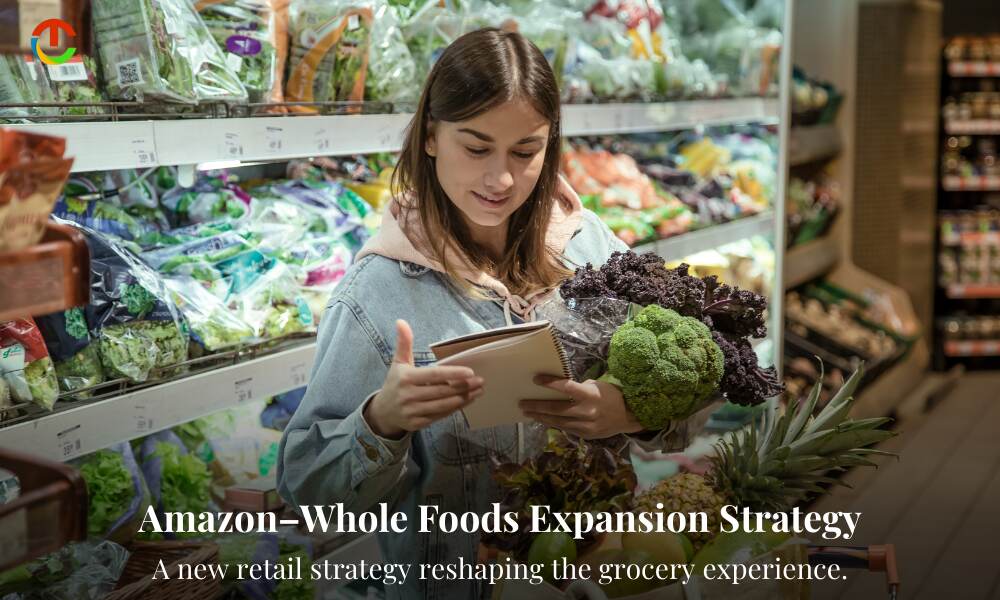
Amazon is now launching a new approach that is frequently associated with its Amazon Bold Program, a collection of internal projects centered on customer satisfaction and operational effectiveness. With this change, Amazon is announcing a new strategy to increase its market share in the high-end food retail industry.
Why Amazon Is Taking This Risky Step
Principal causes of the change:
Better brand recognition: Compared to Amazon’s experimental models, Whole Foods already enjoys a high level of brand loyalty.
Quality-focused customer experience: Amazon’s long-term retail strategy is in line with Whole Foods’ reputation for quality, organic products.
Greater margins: Compared to low-margin grocery models, premium retail usually generates larger earnings.
Unified operations: The corporation is simplifying all of its physical stores as part of the larger Amazon Bold Program.
How the Customer Experience Will Change as a Result of This Transformation
Delivering the best of both brands is the goal of the redesigned stores. Cleaner layouts, better checkout processes, and more carefully chosen assortments will all be visible to customers. Additionally, Amazon might incorporate:
AI-powered shelf tracking and smart carts
Simplified pickup and delivery services
Whole Foods’ criteria for organic and fresh vegetable quality
Digital encounters linked to the Amazon app
The Amazon Bold Move toward next-generation shopping experiences is practically continued with this combination.
Influence on the grocery sector
Amazon’s move will probably put pressure on other American shops to improve their customer service, logistics, and technology. Customers’ expectations for grocery delivery and in-store experiences are still being transformed by the corporation.
Analysts in the industry saw the action as a reinforcement of the first merger between Amazon and Whole Foods Market, demonstrating that Amazon continues to place significant bets on high-end groceries. This could create new benchmarks for competition in the organic and health-conscious retail market.
Read more: How to Leverage Amazon’s New Rural Delivery in Oklahoma