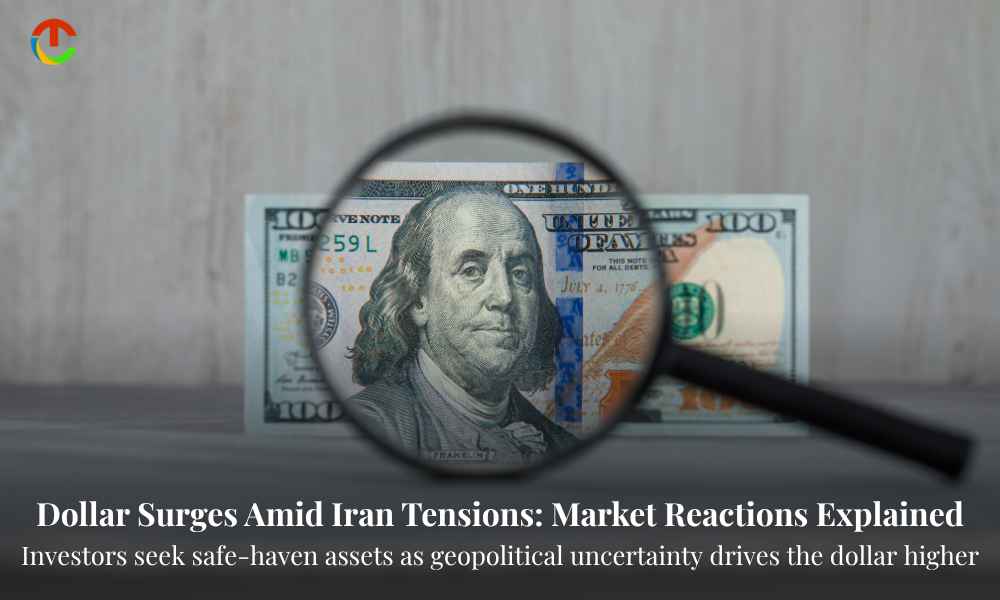
The dollar is rising amid tensions in the Middle East
The current state of affairs is consistent with the historical trend of the dollar strengthening during times of conflict. Investors have rushed to the US dollar because they are concerned about possible interruptions in the supply of oil and international trade. The “dollar during war” phenomenon is a reflection of larger market sentiment that places a higher value on stability and liquidity than on risky assets.
The dominance of the US dollar is not only monetary; it also represents US dominance in world politics. As mentioned in conversations about American strength and dollar primacy, what’s at stake? Any perceived erosion of U.S. influence could have an impact on markets, but current trends indicate that the dollar continues to be a foundation of economic confidence.
Iran’s Strategic Predicament
The situation highlights the wider risks of escalation: even limited strikes might disrupt oil markets, raise geopolitical risk premiums, and boost volatility in global stock indexes, as Iran and Iraq warn that US airstrikes run the risk of fueling instability.
The Impact of War on the US Stock Market
In the past, war rumors and actual hostilities have caused the U.S. stock market to respond quickly. While defensive industries like energy and defense equities frequently prosper, investor concern can cause short-term sell-offs. The current “effects of Israel-Iran conflict: insights on global stock indices and currencies” highlights both the strengthening of safe-haven assets like the dollar and gold as well as the susceptibility of stocks, according to market analysts.
Economic Warfare and Its Effects on the World
The financial cost of the Iraq War serves as a warning about Iran’s possible involvement in hostilities. The dollar’s significance in international finance is reinforced by economic disruptions, military spending, and sanctions.
Dollar Trends Amid Iran Tensions
Market observers anticipate more volatility. The rise in the value of the dollar is a result of a number of factors, including strategic uncertainty surrounding Iran, U.S. economic strength, and geopolitical worry. Even a small escalation may have an impact on everything from currency markets to crude oil prices, even though a full-scale confrontation is still unlikely.
The lesson for investors is straightforward: managing the current global financial landscape requires keeping an eye on “dollar during war” trends and comprehending Iran’s strategic actions.
Read our Exclusive interview with Cindy Bethel