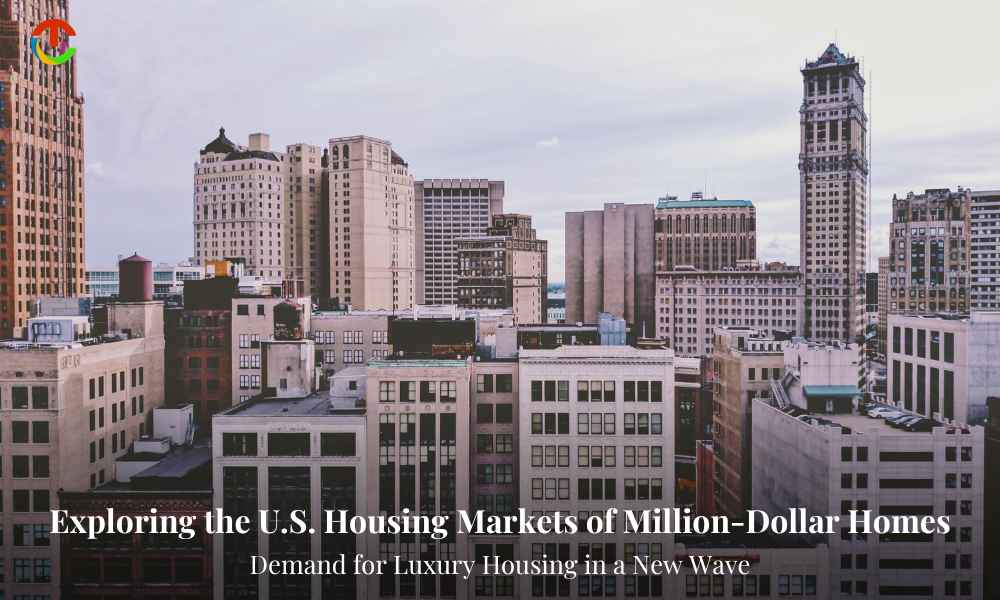
Exploring the U.S. Housing Markets of Million-Dollar Homes

U.S.-Housing-Markets
Million-dollar mansions are becoming a defining characteristic of upscale communities, coastal areas, and rapidly expanding metropolitan centers as interest in luxury real estate continues to soar across the United States. In order to understand what really influences the market for high-end properties, buyers—from investors to families seeking long-term value—are turning to data-driven insights as demand increases. Searches like “1 million dollar house Zillow,” “1 million house,” “1 million dollar mansion for sale,” and “houses for 1 million dollars near me” indicate a growing interest in price patterns, lending standards, and possible investments.

Demand for Luxury Housing in a New Wave

Over the past ten years, the U.S. market for million-dollar homes has grown dramatically. Demand has been driven by rising household incomes, rapid urbanization, and job growth in tech-heavy states. Previously limited to major cities like New York City, San Francisco, and Los Angeles, searches for premium real estate currently reveal significant buyer activity throughout suburban locations, mountain villages, and seaside communities.

For many purchasers, a “one million dollar house mortgage” is more than just a place to live; it’s a long-term asset for generating wealth. Buyers can better understand affordability across states by using mortgage calculators offered by organizations like the Federal Reserve or the Federal Housing Administration (FHA).

Important Trends: What Constitutes a $1 Million Home?

1. Location Determines the Value of Luxury

The high-value market is dominated by coastal states like California, Florida, and Washington. Even mid-sized homes can reach the million-dollar range if they are close to IT clusters, employment areas, exclusive schools, and waterfront views.

Investment Attractiveness for International Purchasers

Many Indian investors are considering U.S. real estate as a reliable cross-border investment, including those perusing “million-dollar homes near Lonavala or Pune Maharashtra.” The American luxury market offers robust rental demand, dependable lending structures, and long-term appreciation in contrast to other unstable sectors.

3. Technological Platforms Revolutionizing Home Search

Exploring million-dollar listings with comprehensive pricing trends, neighborhood projections, and 3D home tours is now simpler thanks to websites like Zillow.
Million-Dollar Home Market Hotspots in Sunbelt Cities:

Price appreciation is accelerating in places like Charlotte, Tampa, Austin, and Phoenix. Well-paid professionals looking for upscale houses are drawn to high migration rates, business relocation, and employment prospects.

West Coast and Northeast:

Million-dollar inventory is still dominated by states like California, New Jersey, and New York. High-rise penthouses, waterfront estates, and historic homes continue to be popular choices.

Mountain and Natural Areas:

Utah, Idaho, and Colorado have developed into luxury hotspots with expensive residences with breathtaking scenery, making them perfect for second-home purchasers and remote professionals.

What Purchasers Need to Know About Mortgages Under $1 Million

In the United States, a million-dollar mortgage frequently meets the requirements for a “jumbo loan.” Usually, these loans need:

Increased credit scores
Greater down payments (10–20%+)
Higher ratios of debt to income

The Impact of the “Million Dollar Home Show”

A change in culture has been brought about by media exposure, especially through lifestyle programs like “million dollar home show” features. Modern designs, open floor plans, eco-friendly materials, and smart living systems that are frequently featured in luxury media segments are increasingly sought after by aspirational buyers.

In addition to influencing customer choices, this increased visibility also affects how developers create new upscale neighborhoods.


Will the Price of Million-Dollar Homes Keep Increasing?

Million-dollar listings are expected to continue growing throughout U.S. regions because to strong demand, limited inventory, and demographic changes. The market is anticipated to be resilient—even in the face of economic fluctuations—whether for long-term asset preservation, rental investments, or lifestyle improvements.
Read our Exclusive interviews with Jill O’Sullivan

Follow Us

Get notified of the best
deals on our Brand

By  submitting this form, you confirm that you have read and are agreeing to our terms of use regarding the storage of the data submitted through this form.

Top Post

Latest Isssues