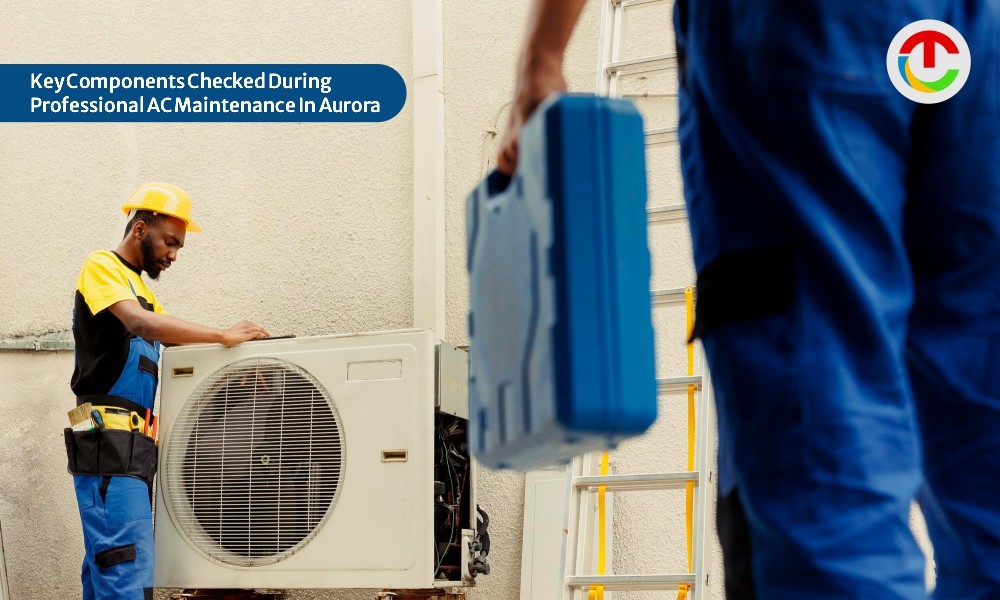
Air conditioning systems handle demanding workloads during warm months, and regular service keeps them running smoothly. Professional maintenance services in Aurora focus on mechanical health, airflow balance, and electrical stability. Each component inside the unit plays a role in cooling efficiency and indoor comfort. When any part experiences wear or buildup, cooling performance can decline, and strain may develop within the system.
During scheduled AC maintenance in Aurora, technicians follow a structured inspection process that reviews airflow, refrigerant behavior, and electrical safety. The goal is to identify small mechanical concerns before they affect cooling performance. Routine service also supports steady airflow, stable operating temperatures, and consistent indoor comfort. Careful inspections help maintain proper energy use while keeping internal components in reliable working condition.
Airflow And Cooling Performance Checks
Balanced airflow allows cooled air to circulate evenly through living spaces. Maintenance professionals inspect several internal parts that influence airflow strength and cooling efficiency.
Air Filter Condition
Air filters collect dust, pollen, and airborne debris that move through the ventilation system. Technicians check the filter for buildup that could restrict airflow. A clogged filter can slow circulation and place unnecessary strain on the blower system.
Evaporator Coil Inspection
The evaporator coil absorbs heat from indoor air during the cooling cycle. Dirt accumulation on the coil surface interferes with heat transfer. Maintenance includes coil cleaning to restore smooth heat absorption and steady airflow.
Blower Motor Operation
The blower motor pushes cooled air through the duct network. Technicians inspect the motor assembly, electrical connections, and mounting brackets to confirm proper movement and stable airflow.
Refrigerant Level Verification
Refrigerant circulates through the cooling system to absorb and release heat. Technicians measure refrigerant pressure and confirm that levels match manufacturer specifications. Stable refrigerant flow supports consistent cooling cycles.
Mechanical And Electrical System Inspection
Air conditioning equipment relies on electrical components and mechanical parts working together during each cooling cycle. Professional inspections examine these systems to ensure dependable operation.
Thermostat Function
The thermostat signals the system when cooling should begin and end. Technicians verify that temperature readings match indoor conditions and that communication between the thermostat and the cooling unit remains stable.
Condenser Coil Cleaning
Outdoor condenser coils release heat collected from indoor air. Dust, grass clippings, and outdoor debris may gather on the coil surface. Cleaning the coils restores efficient heat release and stable cooling operation.
Electrical Connection Inspection
Loose or worn wiring can interrupt system performance. Technicians inspect electrical terminals, tighten connections, and examine safety controls to confirm secure power flow through the unit.
Condensate Drain Line Check
Cooling systems produce condensation as warm air passes across the evaporator coil. This moisture drains through a dedicated pipe. Technicians flush the drain line to remove debris that could cause moisture buildup around the system.
During the operational phase of AC maintenance in Aurora, technicians run the air conditioner through a full cooling cycle. This process allows observation of compressor activity, airflow strength, and temperature changes across supply vents. Monitoring system performance during operation helps detect airflow irregularities or mechanical strain.
How Can Homeowners Find Reliable Professional AC Maintenance Services?
Reliable AC maintenance services in Aurora can sometimes be identified through technicians who follow structured inspection procedures and perform detailed system evaluations. Qualified professionals typically inspect airflow components, refrigerant levels, electrical connections, and drainage systems while using proper diagnostic tools to measure system performance.
Consistent service practices, clear maintenance procedures, and thorough system checks indicate strong technical experience. Technicians who conduct complete inspections and accurate testing help ensure stable cooling performance and dependable long-term operation of air conditioning equipment.