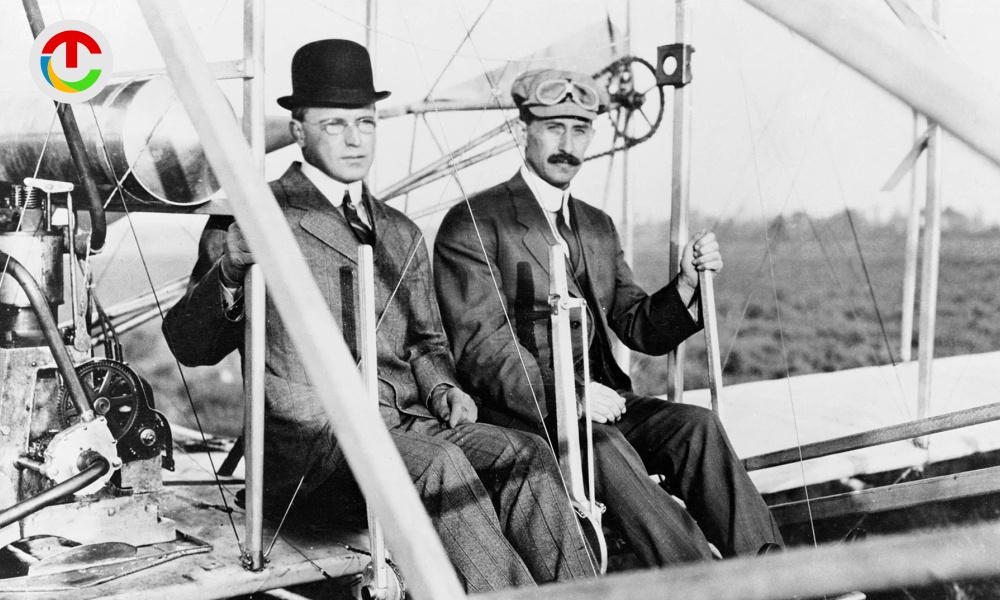
Innovation often feels like a modern race, filled with startup incubators, venture capital, and cutting-edge technology. But sometimes, the most profound lessons come from history. Few innovators embody the spirit of relentless experimentation and fearless ambition like the Wright brothers. More than a century ago, two bicycle mechanics from Dayton, Ohio, defied gravity and skepticism, showing the world that bold ideas combined with disciplined experimentation could truly change the world. Today, tech entrepreneurs can glean surprisingly relevant lessons from their journey.
The Power of Curiosity and Observation
The American aviation legend’s story begins not in an aeronautics lab but in a humble bicycle shop. They weren’t formally trained pilots or engineers; they were curious tinkerers. They observed birds in flight, studied wind patterns, and questioned existing assumptions about aerodynamics. This level of curiosity drove them to test, fail, and try again until they achieved success.
For modern tech founders, curiosity remains a cornerstone. The world of technology moves fast, and solutions often emerge from noticing overlooked problems. Whether it’s a new app idea or a breakthrough in AI, entrepreneurs who observe and ask the right questions often find opportunities where others see none.
Embrace Iteration, Not Perfection
The first flight at Kitty Hawk wasn’t perfect. The aviation pioneers faced repeated failures, from gliders that crashed to engines that faltered mid-test. Yet, instead of seeing failure as a defeat, they treated each setback as a lesson. Every crash taught them something new about balance, lift, and control.
For startups, this iterative mindset is crucial. Entrepreneurs often obsess over launching a perfect product, delaying innovation in pursuit of flawlessness. The Wright brothers demonstrate that real progress comes from trying, learning, and improving quickly and consistently. In today’s tech world, speed and adaptation often outweigh initial perfection.
Combining Diverse Skills for Innovation
One reason the pioneers of flight succeeded was their unique blend of skills. Orville and Wilbur combined mechanical knowledge, analytical thinking, and hands-on craftsmanship. They designed their own wind tunnel to test theories, built engines when none existed for lightweight aircraft, and meticulously recorded every experiment. Their innovation wasn’t just about inspiration; it was the marriage of multiple competencies working in harmony.
Modern tech founders can learn from this interdisciplinary approach. Successful startups often require expertise across design, engineering, marketing, and user experience. Entrepreneurs who can bridge gaps between fields or build diverse teams that complement each other are more likely to produce breakthroughs that transform industries.
Persistence Against Skepticism
The Wright brothers operated in an era when the idea of powered flight was widely dismissed as impossible. Investors were hesitant, newspapers skeptical, and many peers derided their work. Yet, their confidence in their process and vision kept them moving forward. Their story is a testament to the importance of resilience in the face of doubt.
Tech entrepreneurs face similar challenges. Ideas that seem revolutionary often attract skepticism before success proves their worth. Learning to navigate doubt while staying committed to the mission is a defining trait of enduring leaders. Just as the American flight inventors’ plane eventually soared above Kitty Hawk, modern innovators can rise above criticism with perseverance and clarity of purpose.
Document, Measure, and Learn
The Wright brothers were meticulous record-keepers. Every experiment was logged, every measurement noted, and every adjustment carefully recorded. This rigorous approach allowed them to analyze failures objectively, identify patterns, and refine their designs scientifically rather than intuitively.
For startups, the lesson is clear: data matters. Tracking metrics, analyzing customer feedback, and learning from product performance are essential. Entrepreneurs who systematically document and learn from every success and setback are better equipped to make informed decisions and scale sustainably.
Vision Paired with Action
Perhaps the most enduring lesson from the American aviation legends is that vision alone is not enough. Countless dreamers had imagined human flight before 1903, but only those who combined vision with rigorous action succeeded. They didn’t just theorize, they built, tested, and improved relentlessly.
Tech entrepreneurs today can take a page from this approach. Dreaming big is vital, but execution is what separates ideas from impact. Those who balance imagination with disciplined action, like the Wright brothers, are the ones who ultimately shape industries and change lives.
Conclusion
The story of the Wright brothers is more than a historical milestone; it’s a blueprint for modern innovation. Their journey underscores the importance of curiosity, iteration, interdisciplinary thinking, resilience, and meticulous learning. For tech entrepreneurs navigating the fast-paced and unpredictable world of startups, these lessons are as relevant now as they were more than a century ago.
By embracing the same spirit that propelled two bicycle mechanics into the skies, today’s innovators can not only envision groundbreaking solutions but also bring them to life. In the end, the early aviation innovators’ legacy reminds us that innovation is not just about ideas, it’s about courage, persistence, and the relentless pursuit of the possible.