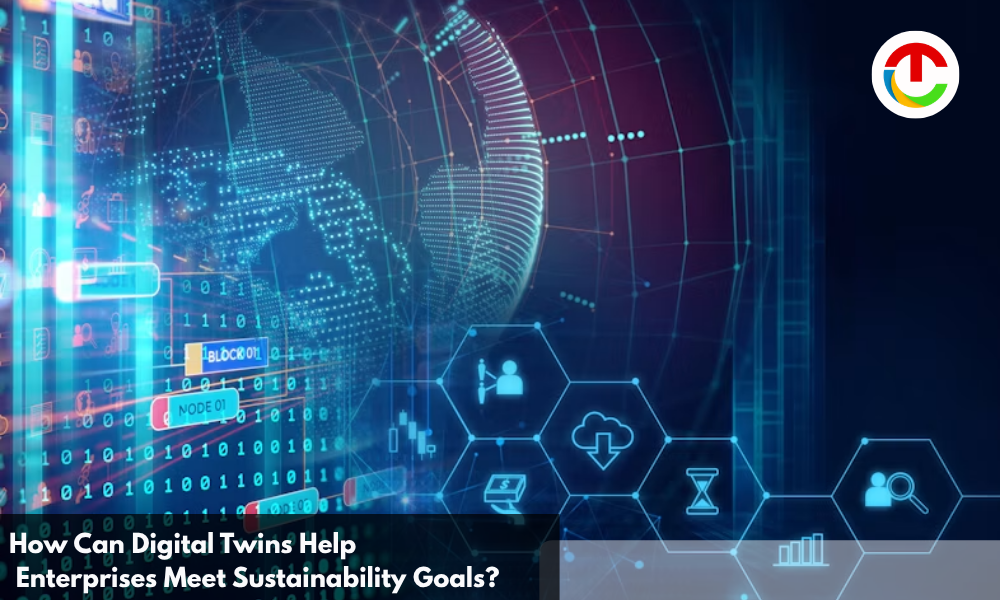
As global organizations are prioritizing sustainability, technological innovations are being made to meet these demands. Among many advancements, the concept of digital twins stands out as particularly transformative for the manufacturing industry aiming for sustainability. This new technology, a dynamic, living virtual replica of a physical system, is a catalyst not only to improve operational performance, but also to fulfil sustainability goals. A report by the World Economic Forum states that at the factory of a South Korean electronics company, a digital twin of an assembly line helped improve productivity by 17%, product quality by 70%, and energy consumption by 30%. With its ability to simulate the physical world, this innovative technology can help organizations to reduce carbon emissions, better utilize resources, optimize supply, as well as increase employee safety.
Key Real-World Applications of Virtual Replica
1. Tata Steel:
To test low-carbon production methods and accelerate decarbonization, Tata Steel uses a digital twinof its experimental HIsarna steelmaking process.
2. BMW:
To optimize energy schedules, material flow, and machinery efficiency, BMW models entire production networks across 31 factory sites.
3. Thames Water:
To detect invisible underground pipe leaks in real time, Thames Water deploys sensor-backed network twins. This conserves precious water resources.
4. GE Vernova:
To dynamically adjust turbine angles and layouts, GE Vernovaruns wind farm digital twins. This maximizes clean energy output and grid stability.
How Digital Twins Help Enterprises Meet Sustainability Goals?
1. Reduce Energy Consumption
Real-Time IoT Monitoring is used to optimize energy consumption. Sensors continuously collect data on energy use, occupancy, temperature, and machine output. This helps to identify sudden increases in energy use, machines running when not needed, and hidden energy waste. Operators can test “what-if” scenarios in a safe virtual environment, such as changing factory workloads, altering HVAC cycles, or shifting grid distribution. This helps them to find the most energy-efficient setup before applying it to the physical asset. In the case of smart buildings and commercial real estate, this sustainable technology integrates room-by-room occupancy data with weather forecasts to adjust cooling, heating, and lighting dynamically, cutting energy use considerably.
2. Lower Carbon Emissions
Real-time carbon tracking is used to reduce carbon emissions. IoT (Internet of Things) and sensor devices feed live operational data into the virtual model. This gives companies an exact, continuous view of emissions across different departments, scopes, and supply chains. Through virtual scenario testing, engineers can test material swaps, process changes, or energy adjustments in a risk-free virtual environment before applying them in the real world, eliminating high-emission trial-and-error phases. Rather than waiting for machines to break down, which causes sudden pollution spikes, predictive models spot wear and tear early to keep equipment running at great efficiency.
3. Reduce Waste and Enhance Resource Efficiency
Companies can eliminate physical scrap waste and cut down on costly trial-and-error hardware prototypes by simulating product designs and manufacturing processes in a digital environment. Connecting IoT (Internet of Things) sensors with digital twinsallows systems to anticipate equipment failures before they happen. This reduces unexpected breakdowns, avoids wasteful emergency repairs, and extends machinery lifecycles. Virtual replicas play a key role in waste management and manufacturing. It traces material composition, container fill levels, and throughput in real time. Such clarity enables better recycling rates, lower landfill dependency, and smarter recovery of virgin resources.
4. Enhance Supply Chain Sustainability
Companies can drastically cut physical waste by simulating handling, machinery settings, and transit conditions. Digital twins, by using live geospatial data, can
simulate delivery routes, traffic conditions, and vehicle loads. This prevents empty backhauls, trims fuel consumption, and lowers greenhouse gas emissions across freight networks. To prevent overproduction, spoilage, and unnecessary warehousing overhead, real-time visibility into stock levels, storage temperatures, and demand fluctuations is provided.
5. Construct more sustainable buildings
During the design and pre-construction phases,digital twins integrate material passports and lifecycle data to observe the carbon footprint of building components (like steel and concrete). This enables teams to swap high-emission materials for greener alternatives before breaking ground. Early detection of minor anomalies, mechanical wear, and structural stress is done by embedded sensors. Planned repairs prevent huge equipment failures, extend the lifespan of building assets, and reduce the heavy carbon and financial costs of total replacements. To see how a building reacts to extreme heat waves, high humidity, or severe storms, planners can run digital stress tests. This allows for optimizing window shading, insulation, and passive cooling strategies to adapt to changing climate conditions. Monitoring water flow, pressure, and leak detection across plumbing networks helps in minimizing non-revenue water losses and pinpointing inefficiencies in resource consumption.
Conclusion
As companies look for ways to meet sustainability goals, digital twinshave emerged as a powerful solution. This virtual replica of a physical system drives disruptive innovation, reduces environmental risks, enables new service development, and encourages cross-functional collaboration. The eco-friendly technology can be used to power systemic progress towards a more circular economy and help leaders to achieve their sustainability imperatives.
Also Read :- How Zero Trust Architecture Is Shaping the Future of Cybersecurity?