Building an accessory dwelling unit (ADU Costs in Los Angeles can give you extra living space, create room for family members, or provide a chance to earn rental income. However, before you enjoy these benefits, you need to understand the costs and set a budget that fits your plans.
Estimating ADU costs can be tricky when you overlook important expenses or rely on basic construction rates alone. Your budget can overlook critical expenses, including site preparation, utility connections, permits, and materials. This can cause additional costs after the construction has started.
A clear budget enables you to plan the main costs and make better decisions prior to the commencement of construction. You are able to work out all the expenses, verify what your estimate includes, and reserve additional funds in case of any extra expenses.
This guide will discuss four pitfalls that homeowners commit when estimating ADU Costs in Los Angeles and provide easy solutions on how to avoid them.
1. Rely on One Price Per Square Foot
One common mistake is using the same price per square foot to estimate every ADU project. Construction costs can vary depending on the type of unit you want to build. For example, a garage conversion may have different costs than a new detached unit. A two-story ADU may also need more work than a one-story unit.
In Los Angeles, starting construction rates can be around $400 per square foot for a garage conversion, $435 for new one-story construction, and $465 for new two-story construction. Use these figures as a starting point when estimating your ADU Costs in Los Angeles.
Then, ask for a detailed quote based on your plans and property. The size and layout of your ADU can also affect the total cost. Larger units generally cost more, while custom designs may need extra materials and labor.
Compare rates based on the type of ADU you plan to build. A site review and a detailed quote can help you create a budget that better matches your project.
2. Overlook Site Preparation and Utility Costs
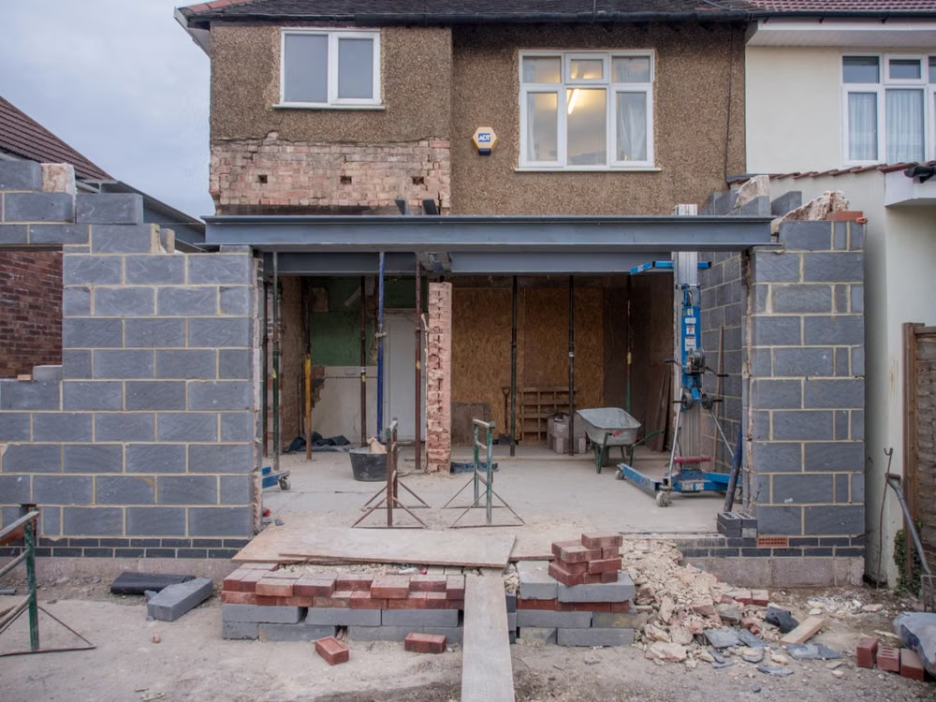
Your property can have a major effect on your ADU budget. A clear, level yard with easy access may need less preparation than a sloped lot or a site with limited space for construction equipment.
Grading, access work, and other site conditions can add to your total expenses. Utility connections also deserve attention. Your ADU may need new sewer and water lines, electrical service, and an HVAC system.
The location of existing utility lines can affect the amount of work required. For example, longer connections or upgrades to existing services may add to your costs. A Brookings report on ADU development costs explains that site preparation, materials, labor, and building systems make up major parts of ADU construction costs.
Before you set your budget, check your property’s condition and ask which utility connections your project will need. A proper site review can help you spot possible expenses early.
3. Leave Permits and Project Fees Out of Budget
Another mistake is focusing on construction costs while leaving permits and local fees out of your estimate. ADU projects may involve building plan checks, permit fees, school fees, and other charges.
These costs can vary based on your city and project details. Check the local fee rules for your property to set aside the right amount. You should also account for design and approval work. Plans, engineering, energy calculations, and city clearances may form part of your project costs.
Some construction estimates include these services, while others may list them separately. Review each quote carefully to understand which services and fees are covered. California’s ADU Handbook provides guidance on state ADU rules and local requirements.
Use the handbook as a starting point, then contact your local building department for fees that apply to your property. Setting aside money for permits and approvals can help you manage your budget throughout the project.
4. Forget Finish Levels and Excluded Project Costs
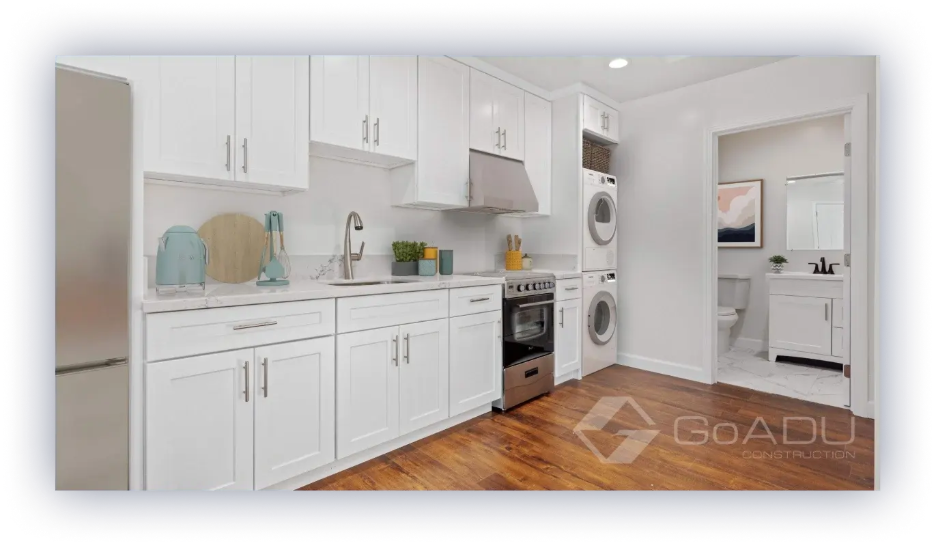
Your choice of materials and finishes can also affect your ADU budget. Basic finishes may work well for a simple rental unit, while custom cabinets, upgraded floors, and high-end fixtures can increase the total cost.
Larger designs or those with more details may also need extra materials and labor. Keep these costs in mind when planning your budget. Another common mistake is assuming that the main construction estimate includes every project expense.
You may need to pay for some items separately, such as:
- Appliances
- Landscaping
- Furniture
- Soil reports, if required
- Property surveys, if required
- Permit, impact, and school fees
Before accepting an estimate, ask your contractor for a clear list of included costs and items that will be billed separately.
You should also check which energy and building rules apply to your ADU. The California Energy Commission’s 2025 ADU Energy Code explains rules for heating, ventilation, lighting, and electrical systems.
Understanding these requirements can help you choose the right materials and equipment and include their costs in your budget.
Bottom Line
Estimating ADU Costs in Los Angeles takes more than multiplying square footage by a price per square foot. You also need to account for site conditions, utility work, permits, materials, and expenses outside the main construction quote.
Each property has different needs, so take time to review your plans and check what each estimate covers. Ask clear questions before you sign a contract, and set aside funds for costs that may arise during the project.
Careful planning can help you build a more realistic budget and move forward with greater confidence.
Also Read :- Philanthropy’s Quiet Shift: How Big Bets Are Rewriting Nonprofit Funding