Doordash Announces a New Partnership With Wegmans Food Markets

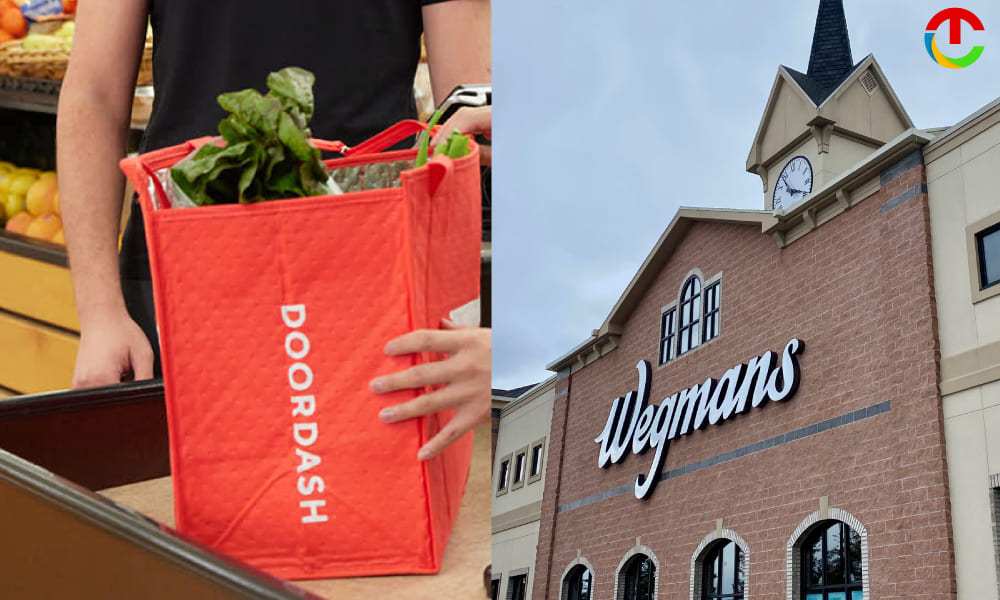
DoorDash has formally announced its relationship with Wegmans Food Markets, a key step toward expanding grocery delivery choices. This agreement intends to provide customers with a smooth shopping experience while increasing DoorDash’s grocery delivery services.

Improved Grocery Delivery Options

DoorDash, which changed the delivery of food, is now expanding into grocery shopping. DoorDash hopes to expand its offering of fresh produce and food items delivered directly to consumers’ doors by teaming with Wegmans, a well-known regional supermarket chain.

  • Convenient Access: Customers can now order from Wegmans through the DoorDash app, making it easier than ever to get groceries without leaving home.
  • Expanded Selection: The partnership includes a diverse range of products, from fresh fruits and vegetables to gourmet prepared meals, ensuring customers have access to high-quality options.
  • Quick Delivery: DoorDash promises rapid delivery times, with many orders arriving within an hour, making grocery shopping more efficient.

Commitment to Quality and Freshness

Wegmans is renowned for its commitment to quality, and DoorDash is eager to uphold these standards in its delivery service. The partnership ensures that all items delivered will meet Wegmans’ high-quality benchmarks.

  • Temperature Control: Company will implement measures to maintain proper temperature for perishable items, ensuring freshness upon delivery.
  • Local Sourcing: Both companies emphasize the importance of supporting local suppliers, further enriching the community’s agricultural landscape.

A Win-Win for Customers and Businesses

This partnership benefit both customers and local businesses. By leveraging DoorDash’s extensive delivery network, Wegmans can reach more customers while Company expands its grocery offerings.

  • Increased Customer Base: Wegmans will gain exposure to DoorDash’s vast user base, driving more traffic to their stores.
  • Promotions and Discounts: Customers can look forward to exclusive promotions and discounts available only through DoorDash, encouraging them to explore Wegmans’ product range.

Future of DoorDash

As DoorDash continues to innovate in the grocery delivery industry, their relationship with Wegmans Food Markets is a significant move ahead. With a focus on quality, convenience, and speed, DoorDash is poised to transform the grocery shopping experience for customers.

The recent agreement shows DoorDash’s dedication to improving delivery services and providing consumers with a complete and comfortable grocery shopping experience.

Who Can Help You Look Out for Yourself When Your Manager Won’t?

In any workplace, having a supportive manager is essential for career growth and well-being. That time, there are times when managers may not provide the support or guidance you need to succeed. Whether it’s a lack of communication, neglecting your professional development, or an overall disengagement, this can lead to frustration and feelings of being stuck in your career.

So, who can help you when your manager won’t? The good news is that you don’t have to go through these challenges alone. There are several strategies you can build a support network that can help you thrive in your role.

This article will explore who can offer support when your manager isn’t meeting your expectations and how to take control of your career development.

Understanding the Problem: Manager Neglect

When your manager isn’t fulfilling their responsibilities, it can affect everything from job satisfaction to career progression. It’s important to first identify the signs of manager neglect so that you can take proactive steps to address the situation.

Some common indicators of manager neglect include:

  • Lack of communication: If your manager isn’t providing regular feedback or guidance, it can be difficult to understand what you’re doing right or where you need to improve.
  • Absence of career development opportunities: A good manager will help you set goals, provide growth opportunities, and support your professional development. If that’s missing, it’s a red flag.
  • Indifference to your well-being: Managers should care about their employees’ mental health and overall job satisfaction. If your manager is unresponsive to your concerns, it may be time to look elsewhere for support.
  • Unclear expectations: If your manager doesn’t set clear expectations for your role or performance, it can create confusion and a lack of direction.

Understanding these signs helps you assess the situation and decide who can step in to provide the support you need.

Building Your Support Network at Work

If your manager is unavailable or unhelpful, there are other people within the workplace who can provide guidance and support. Building a network of allies and resources at work can make all the difference in your ability to thrive.

Colleagues

Often, coworkers who understand your role can provide valuable insight. They may have experienced similar challenges and can share strategies or advice on how to handle difficult situations. Plus, having a colleague to turn to can provide emotional support in a difficult environment. Be selective about who you confide in, though – it’s best to connect with someone you trust and who has a genuine interest in helping.

Mentors

Finding a mentor within your organization can be a game-changer. A mentor is someone who has more experience in your field and can provide you with advice, feedback, and guidance as you navigate your career. They can help you set goals, expand your skills, and even advocate for you when necessary. Reach out to senior colleagues or others who you admire for mentorship opportunities.

HR and Company Resources

Your Human Resources (HR) department can be another valuable resource when your manager isn’t stepping up. HR professionals are trained to handle workplace conflicts, and they can offer mediation or advice on how to address your concerns. Additionally, some companies offer employee assistance programs (EAPs) that provide counseling, coaching, and other professional development resources. Don’t hesitate to use these resources to ensure your well-being.

Also Read: Top 10 Technology Trends Shaping Business in 2024

When to Seek External Help

Sometimes, the support you need may go beyond what your workplace can provide. In such cases, seeking external help can help you gain a new perspective and practical advice on how to move forward.

Professional Organizations

Joining a professional organization in your field can be an excellent way to expand your network and find mentors or resources. Many organizations offer career coaching, job boards, and networking opportunities, as well as industry-specific support.

Career Coaches

A career coach is a trained professional who can help you identify your strengths, set career goals, and navigate challenging work situations. They can also provide guidance on how to advance in your career despite managerial shortcomings.

Therapists and Counselors

If you feel that your manager’s behavior is impacting your mental health or overall well-being, speaking with a therapist or counselor might be beneficial. Mental health professionals can help you cope with workplace stress, build emotional resilience, and address any underlying issues.

Steps to Take for Self-Advocacy and Career Growth

When your manager isn’t taking an active role in your development, it’s important to advocate for yourself and take charge of your career growth. Here are a few steps you can take:

  • Set clear goals: Define where you want to be in the next year or five years. Identify the skills you need to develop and take proactive steps to acquire them.
  • Seek feedback: If your manager isn’t giving you feedback, ask for it. Request regular check-ins or performance reviews to ensure you’re on track.
  • Be vocal about your needs: If you feel you’re not getting the support you need, have a direct conversation with your manager or HR. Express your concerns in a constructive way and seek solutions.
  • Look for learning opportunities: Take advantage of online courses, workshops, and other resources to continue your professional development.

By focusing on these steps, you can take control of your career path and create your own opportunities, even when your manager isn’t offering the guidance you need.

Conclusion

When your manager isn’t offering the support you deserve, it can feel discouraging, but you’re not without options. By building a network of supportive colleagues, mentors, and HR professionals, seeking external help when necessary, and advocating for your own career growth, you can still move forward and succeed.

Remember, taking control of your career development is empowering and will help you navigate even the most challenging work environments.

Regional Banks Report Increased Pressure From Rising Interest Rates

In recent months, regional banks across the country have faced considerable hurdles as interest rates continue to rise. This trend, which affects both customers and financial institutions, is changing the landscape of banking and lending.

CIO Times Magazine looks at the growing issues faced by regional banks as interest rates rise, putting major strain on their operations. These institutions, which have traditionally been more vulnerable to interest rate changes, are negotiating a difficult terrain characterized by rising funding costs and changed consumer behavior. As they work to preserve profitability while adapting to a tightening economic environment, regional banks are looking into innovative online banking solutions to improve consumer engagement and optimize processes, maintaining their competitiveness in a quickly changing financial market.

Impact on Lending Practices

The recent increase in interest rates has created a difficult situation for regional banks. As borrowing costs rise, these banks reconsider their lending methods. Many lenders are tightening loan approval criteria to reduce risk, which may limit access to loans for small enterprises and individual consumers.

This move is particularly worrying for smaller economies, which rely significantly on regional banks for finance. Small firms frequently use loans to expand operations or manage cash flow. With rising interest rates, the affordability of these loans may suffer, resulting in a decrease in economic activity.

Customer Response to Interest Rate Hikes

Consumers are also feeling the impact of these financial shifts. As interest rates rise, so do the costs associated with personal loans, mortgages, and credit cards. Many potential homebuyers are now hesitating, fearing that increased mortgage rates will push them out of the housing market. This caution among consumers can contribute to a decline in housing demand, which further affects the overall economy.

Furthermore, higher interest rates may encourage clients to search around for better offers, pushing them to look at larger banks that might provide more competitive rates. Regional banks may struggle to keep their customers if they are unable to offer appealing lending options in this changing financial climate.

Long-Term Strategies for Stability

To navigate these pressures, regional banks are focusing on developing long-term strategies. Many are investing in technology to enhance their service offerings, streamline operations, and improve customer engagement. Digital banking services are becoming increasingly vital as customers seek convenience and efficiency in managing their finances.

Additionally, some banks are exploring alternative financing options and partnerships to diversify their portfolios. By collaborating with fintech companies, regional banks can leverage innovative solutions to better serve their clientele and stay competitive in a challenging market.

The Road Ahead

As regional banks grapple with the ramifications of rising interest rates, the future remains uncertain. While these institutions are adapting to the current environment, the long-term effects on lending practices, consumer behavior, and economic growth are yet to be fully realized.

The ability of regional banks to effectively respond to these challenges will ultimately determine their role in supporting local economies. As they adjust their strategies, it will be important for these banks to maintain a balance between risk management and providing essential services to their communities. The coming months will be pivotal as these institutions navigate the complexities of a changing financial landscape.

Lawmakers Push for Clearer Regulations on Digital Currencies

In a time when digital currencies are fast gaining approval, lawmakers are stepping up their calls for clearer regulations regulating this new financial world. As cryptocurrencies continue to damage traditional financial systems, detailed guidelines have never been more important.

A Shift in Focus

The increasing popularity of digital currencies has raised significant concerns regarding consumer protection, market stability, and illicit activities. Lawmakers across various jurisdictions are recognizing the urgency of addressing these issues through legislative measures that establish clear frameworks for cryptocurrency transactions.

Several high-profile events, like as market instability and fraudulent schemes, have highlighted the risks that unregulated digital currencies may present. These instances have motivated politicians to urge for consistent laws that will protect investors while also increasing the legitimacy of the bitcoin business.

With multiple stakeholders involved – ranging from financial institutions to tech innovators—there is a growing consensus on the necessity of a balanced regulatory approach. Lawmakers are exploring the possibility of collaborating with industry experts to craft legislation that supports innovation while ensuring accountability.

Collaborative Efforts

In recent weeks, various committees within Congress have convened to discuss the future of digital currency regulations. During these meetings, lawmakers have emphasized the importance of a cohesive strategy that aligns with international standards. The global nature of cryptocurrencies demands a unified response to prevent regulatory arbitrage, where businesses exploit inconsistencies across borders.

Many legislators are calling for a framework that includes anti-money laundering (AML) regulations, taxation, and consumer protection. By addressing these issues, politicians attempt to create an atmosphere that promotes growth while protecting individuals from harm.

Moreover, the push for clearer regulations is also driven by the desire to enhance the United States’ position in the global cryptocurrency market. As other countries move forward with their regulatory initiatives, U.S. lawmakers are keen to ensure that American businesses remain competitive and compliant.

Check: Digital Magazines

The Road Ahead

As discussions continue, some MPs have advocated the creation of a separate regulatory body to supervise digital currencies. This would help to streamline the regulatory process and provide a centralized authority for enforcement. Such a move could reduce misunderstanding and guarantee that all parties follow the same standards.

Given the obstacles that lie ahead, there is hope that bipartisan support will help pass real legislation. Lawmakers understand that the bitcoin sector is rapidly evolving, and they are dedicated to implementing laws that reflect these changes.

The push for clearer regulations on digital currencies is not merely a response to current market conditions but a proactive approach to shaping a stable financial future. As lawmakers continue to work towards effective solutions, the hope is that a balanced regulatory framework will emerge, paving the way for a secure and innovative digital economy.

Tesla Reveals Its Latest Vehicle Model With Ambitious Production Targets

Tesla has announced its next vehicle model, aiming for historic production volumes that show the company’s dedication to innovation and sustainability.

Introducing the latest model

Tesla officially presented its latest vehicle model, the Tesla Model Z, at a much-anticipated event. This unique electric vehicle is designed to increase performance and sustainability. Its features will appeal to both environmentally conscious purchasers and technology lovers.

With an eye to the future, Tesla’s ambitious Model Z production plans represent a huge step forward in the company’s mission to expedite the world’s transition to renewable energy.

Production Goals That Push Boundaries

Tesla’s ambitious production strategy for the Model Z is nothing short of revolutionary. The company aims to produce one million units annually by 2025, a target that could redefine the electric vehicle market. To achieve this goal, Tesla plans to ramp up its manufacturing capabilities through:

  • Expansion of Gigafactories: New facilities are being established in strategic locations to optimize production efficiency.
  • Advanced Automation Technologies: Implementing cutting-edge robotics and AI-driven processes to streamline assembly lines.

Elon Musk, CEO of Tesla, underlined that these goals are important for satisfying the growing demand for electric automobiles. “Our goal is not just to create cars but to lead the global shift towards sustainable transportation,” he stated during the launch.

Sustainable Innovation at Its Core

The Tesla Model Z features several innovations aimed at reducing environmental impact, making it a standout in the electric vehicle sector. Among its key features are:

  • Improved Battery Technology: Offering longer range and faster charging times, the Model Z sets new standards for electric performance.
  • Recyclable Materials: The vehicle incorporates sustainable materials that reduce its carbon footprint during production.

Tesla’s ambitious manufacturing ambitions are consistent with its commitment to sustainability, ensuring that each vehicle not only satisfies customer expectations but also helps to create a healthier planet.

A Bold Future Ahead

With the launch of the Tesla Model Z and its ambitious production targets, Tesla is poised to solidify its leadership position in the electric vehicle market. As the company continues to innovate and expand, it remains dedicated to producing environmentally friendly vehicles at an unprecedented scale. The future looks bright for Tesla as it drives towards a more sustainable and efficient automotive industry.

Amazon Announces Plans to Improve Its Grocery Delivery Network

Key Features of the Expansion:

  • Increased Fulfillment Centers: The company will establish new fulfillment centers in strategic locations to reduce delivery times.
  • Advanced Technology: Investments in artificial intelligence and machine learning will enable smarter routing and inventory management.

In an official statement, Amazon highlighted its commitment to offering fast and dependable grocery delivery services. The company intends to invest heavily in extending its infrastructure, including additional fulfillment centers and smart technology to optimize delivery routes.

“We recognize that grocery delivery is a crucial service for our customers,” said Sarah Johnson, Vice President of Amazon Fresh. “Our goal is to make grocery shopping more convenient and efficient, ensuring that our customers receive their orders fresh and on time.”

Customer-Centric Approach

Amazon’s strategy focuses on enhancing customer satisfaction by incorporating feedback and evolving based on consumer needs. The company will introduce new features in its app, making it easier for users to manage their grocery lists, track orders, and receive personalized recommendations.

The grocery shopping experience will be more intuitive and user-friendly. Amazon plans to implement:

  • Personalized Shopping Lists: Customers can create and save their grocery lists, making future orders quicker.
  • Real-Time Tracking: Enhanced tracking features will allow customers to monitor their orders in real time, increasing transparency and trust

A Competitive Edge

With this initiative. Amazon aims to solidify its position in the grocery delivery market. which has seen significant growth amid changing consumer habits. As competitors ramp up their offerings, Amazon is determined to stay ahead by focusing on innovation and customer satisfaction.

Amazon’s dedication to improving its grocery delivery network reflects its broader strategy of leveraging technology to enhance customer experiences. As the rollout started, customers can look forward to a more efficient. Reliable grocery shopping experience that meets their needs.

Official Statement from Amazon

“Our commitment to our customers is unwavering. This investment will not just improve our grocery delivery service. However, it will also set a new bar for what people may anticipate when shopping for groceries online,” Johnson remarked.

Rising Crude Oil Prices Push US Gas Prices to a New High

Rising crude oil costs have driven US gasoline prices to record highs in recent years, worrying people across the country. As global markets deal with supply chain disruptions and geopolitical conflicts, the effects for everyday Americans are huge.

Key Factors Driving the Increase

  1. Global Demand Recovery
    Following the COVID-19 pandemic, a surge in global demand for oil has strained supply chains. As economies reopen and travel resumes, rising crude oil prices are becoming a persistent trend.
  2. Geopolitical Tensions
    Ongoing geopolitical issues, particularly in major oil-producing regions, have created uncertainty in the market. These tensions exacerbate the volatility of rising crude oil prices, directly impacting US gas prices.
  3. Production Challenges
    Many oil-producing nations are struggling to maintain production levels. With OPEC and allied countries facing their own challenges, the resulting scarcity has led to rising crude oil prices, which are felt at the pump.

Impact on Consumers

Consumers are already feeling the effects of the recent increase in US gas prices. Families are feeling the strain as they devote more of their money to fuel costs. This growth not only affects transportation expenses, but it also has an impact on the prices of goods and services in a variety of industries.

What Lies Ahead?

As rising crude oil prices continue to influence the market, analysts are keeping a careful eye on possible solutions. Increased domestic production and strategic reserves may help reduce the impact, but consumers will continue to feel the burden in the coming months.

Conclusion

The current spike in US gas prices, driven by rising crude oil prices, underscores the interconnectedness of global markets and the everyday lives of Americans. Stakeholders, from policymakers to consumers, must remain vigilant and proactive in addressing these challenges. As we navigate this volatile landscape, public awareness and informed discussions are more important than ever.

September Retail Sales Drop, Raising Concerns About Consumer Spending

Recent update, September retail sales fell significantly, raising fears among economists and policymakers about the future of consumer spending. The Department of Commerce stated that retail sales declined 1.1% from the previous month, the biggest monthly drop since early 2023. This fall calls into doubt consumer spending’s resiliency in the face of persistent economic difficulties.

Highlight Points:

  • The drop in retail sales is indicative of a broader decline in consumer confidence
  • Retail sales play a crucial role in the overall economy, accounting for a significant portion of GDP.

Key Statistics:

  • September retail sales decreased by 1.1%, compared to an increase of 0.3% in August.
  • Sales at clothing stores dropped by 3.0%, while electronics and appliance stores reported a decline of 2.4%.

In response to the troubling trend, Secretary of Commerce Maria Rodriguez released an official statement: “The recent drop in retail sales highlights the issues that American consumers face. While we are committed to a robust economy, it is necessary that we continuously monitor these trends while creating steps to boost consumer confidence and spending.

As the retail sector prepares for the effect of these data, analysts are closely monitoring customer behavior throughout the forthcoming holiday season. Retailers are anticipated to change their methods, emphasizing deals and marketing to attract hesitant customers. The hope is that consumer spending will recover, but present data show that the road ahead may be difficult.

The retail landscape is changing and how consumers respond in the coming months will have a significant impact on the economy’s health. Stakeholders across industries must be attentive as they navigate this unpredictable economic landscape.

Many factors can contribute to a decline in retail sales:


US Labor Market Shows Signs of Cooling With Fewer Jobs Added

According to the most recent Bureau of Labor Statistics report, the US labor market is cooling, with much fewer jobs added in the last month than analysts expected. In September, the economy added only 150,000 jobs, a significant fall from the previous month’s strong growth of 300,000. This deceleration raises concerns about the job market’s long-term recovery, particularly as the Federal Reserve navigates monetary policy under shifting economic conditions.


Declining Job Growth


The sharp decline in job growth suggests that businesses may be pulling back on hiring in response to increasing economic uncertainties. Industries such as retail and hospitality, which have traditionally driven employment gains, reported minimal increases in job openings. Many employers are now adopting a cautious approach, reflecting fears of potential downturns in consumer demand and rising operational costs.


Unemployment Rate Holds Steady


The slowdown in job development , the unemployment rate remains steady at 3.8%, indicating that while hiring may have slowed, many workers are still retaining their jobs. This stability in unemployment could point to a tight labor market, where competition for skilled workers persists, even amid a broader deceleration in hiring activity.

In an official statement, Federal Reserve Chair Jerome Powell addressed these developments, stating, “While the labor market remains strong, we are closely monitoring signs of cooling in job growth. Our commitment to fostering a stable economy will guide our next steps as we assess how these trends impact inflation and overall economic health.”

The cooling of the US labor market comes at an important moment for the Federal Reserve, which has been trying to find a balance between inflation management and economic development. As firms alter their hiring tactics and consumers navigate potential economic challenges, the labor market’s trajectory will play an important role in setting future monetary policy. Analysts will closely monitor next employment statistics to see if this pattern continues or if the labor market may regain momentum in the coming months.

The Fed Announces Another Rate Hike to Combat Inflation

In an important move toward addressing persistent inflation, the Federal Reserve (Fed) announced a hefty interest rate increase, lifting the benchmark rate by 0.25 percentage point. This is the latest measure in the Fed’s continuous strategy to stabilize the economy and contain increasing prices, which have impacted both consumers and companies.

  • Lowering the policy interest rate to a range of 4.75% to 5.00%
  • Market analysts are closely watching how this change will impact financial markets

Inflation Remains a Pressing Concern

Despite previous rate increases, inflation continues to be a major challenge, with the consumer price index showing a year-over-year increase of 4.2%. The Fed’s decision underscores its commitment to ensuring that inflation moves back toward its 2% target, a level deemed important for sustainable economic growth. Many experts agree that the central bank’s actions are necessary to restore confidence in the economy and maintain purchasing power for consumers.

Impact on Borrowing Costs

This latest rate hike will have immediate implications for various sectors, particularly in borrowing costs. Mortgage rates, credit cards, and business loans are expected to see an uptick, which could further influence consumer spending and investment. The Fed anticipates that higher interest rates will temper demand, thereby helping to alleviate inflationary pressures over time.

In an official statement, Fed Chair Jerome Powell central bank’s resolve: “We are committed to taking the necessary steps to bring inflation down to our target. While we recognize that these measures may create short-term challenges, our ultimate goal is to ensure a stable economy for all Americans.”

As the Fed navigates the complicated contours of the current economic landscape, investors are looking for further signals about future increases in rates. The central bank’s policy will develop in reaction to economic indicators and market dynamics, integrating the need for growth with the need to keep inflation below control. Investors and consumers alike should keep informed as the effects of the Fed’s choices spread across the economy.

The Fed’s proactive stance is seen as crucial in a time when economic uncertainty remains high, and its commitment to controlling inflation will shape the financial landscape for months to come.