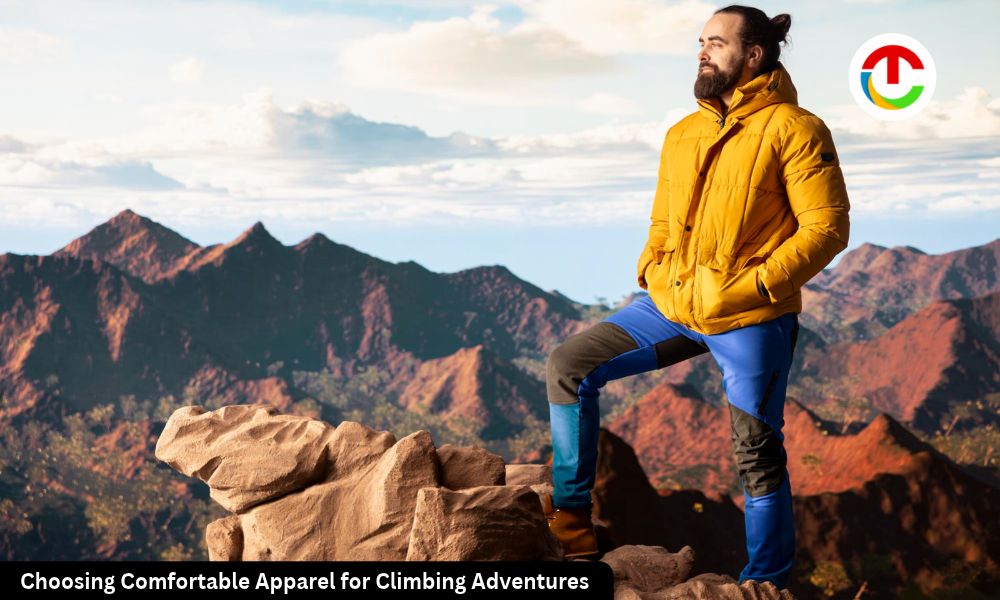
Rock climbing places specific demands on clothing. Every movement involves balance, flexibility, grip, and body positioning. A shirt that restricts shoulder movement or trousers that tighten around the knees can interfere with performance. Poor fabric choices can also cause overheating, discomfort, and skin irritation.
Choosing climbing apparel apparel requires more than selecting lightweight sportswear. Climbers need garments that support unrestricted movement, manage perspiration, resist abrasion, and suit the environment. Whether climbing indoors or exploring outdoor routes, the right clothing makes each session more comfortable and productive.
Why Clothing Matters During Climbing
Climbing involves repeated stretching, pulling, bending, and reaching. Clothing must accommodate these movements without shifting excessively or creating pressure points. Tight garments can restrict mobility, while oversized designs may catch on equipment or nearby rock features.
Fabric construction also affects comfort. Climbers generate considerable body heat during demanding sections. Breathable materials help release excess heat and manage perspiration. Durable fabrics provide protection against friction from rock surfaces, harnesses, and climbing equipment.
A practical climbing apparel should provide:
1.Mobility:
Stretchable materials that support high steps, overhead reaches, and deep knee bends.
2. Moisture management:
Fabrics that move perspiration away from the skin and dry efficiently.
3. Abrasion resistance:
Durable construction that withstands repeated contact with rough surfaces.
4. Comfortable seams:
Flat or strategically positioned seams that reduce friction under harnesses.
5. Secure fit:
Clothing that stays in position during dynamic movements.
These characteristics become particularly important during longer climbing sessions, when minor discomforts can become significant distractions.
Selecting the Right Fabric for Climbing
Fabric selection influences temperature regulation, durability, and overall comfort. Polyester and nylon are common choices because they offer low moisture absorption, quick drying, and good durability. Polyester works well for lightweight shirts and performance tops. Nylon is frequently used in climbing trousers because of its strength and abrasion resistance.
Elastane, also called spandex, is often blended with these materials to improve stretch and recovery. This allows garments to move with the body instead of pulling against joints during demanding movements.
Merino wool is another useful option, particularly for base layers in cooler conditions. It offers moisture management and temperature regulation. However, fabric weight and drying performance should match the expected environment.
Cotton may feel comfortable during casual activities, but it absorbs moisture and dries slowly. This can become uncomfortable during strenuous climbs or in cold conditions. Synthetic fabrics and merino wool are generally more practical for technical climbing apparel.
Finding the Right Fit and Climbing Apparel
Fit is a technical consideration, not simply a matter of personal style. Climbing trousers should allow full hip rotation, knee flexion, and high steps without pulling at the waistband. Articulated knees and gusseted crotches improve movement by reducing fabric tension around major joints.
Shirts should provide enough shoulder and torso coverage without bunching beneath a harness. Sleeves must accommodate overhead reaches, while waistbands should remain secure during extended positions.
Climbers can explore custom climbing apparel when looking for clothing options suited to their activity and preferences. Selecting appropriate designs, materials, and fits helps create a practical clothing setup for regular training and outdoor sessions.
Before purchasing any garment, test its movement range. Raise both arms, perform a deep squat, rotate the torso, and simulate a high step. Check whether the fabric pulls, rides up, or creates uncomfortable pressure.
Dressing for Different Climbing Environments
Indoor climbing walls and outdoor rock faces create different clothing requirements. Indoor gyms generally have controlled temperatures and fewer environmental variables. Lightweight shirts, flexible shorts, and breathable trousers are often sufficient.
Outdoor climbing requires additional preparation. Temperature, wind, sunlight, precipitation, and surface conditions can change throughout the day. Clothing should account for physical exertion and periods of inactivity.
A layering system offers better temperature control:
1. Base layer:
A breathable, moisture-wicking shirt or top that moves perspiration away from the skin.
2. Mid layer:
A lightweight fleece or insulating garment for cooler conditions and rest periods.
3. Outer layer:
A wind-resistant or waterproof shell that protects against changing weather.
The outer layer should not restrict arm movement or interfere with helmet use. Climbers should also consider sun-protective clothing for exposed routes and long outdoor sessions.
Managing Comfort, Friction, and Durability
Repeated contact between clothing, skin, harnesses, and climbing surfaces can create friction. This is especially noticeable around the waist, inner thighs, shoulders, and knees.
Seam placement is therefore important. Flat seams and smooth interior finishes help reduce irritation. Waistbands should sit comfortably beneath the harness, and pockets should not create pressure points when carrying equipment.
Garment maintenance also affects performance. Wash technical fabrics according to manufacturer instructions, avoid excessive heat when drying synthetic materials, and inspect stitching and elastic components regularly. Damaged clothing may lose its fit, stretch, or protective qualities.
For additional guidance on technical clothing and layering, the REI Expert Advice guide to mountaineering clothing explains how fabric selection and layering contribute to comfort across changing conditions.
Building a Practical climbing apparel Wardrobe
A functional climbing wardrobe does not need dozens of specialized garments. A few well-selected pieces can cover most training sessions and recreational climbs. Prioritize breathable tops, flexible trousers or shorts, suitable base layers, and weather protection where necessary.
The most effective apparel combines material performance, functional construction, and a comfortable fit. Climbers should evaluate garments based on how they perform during actual movement rather than appearance alone.
Ultimately, comfortable clothing supports better concentration and fewer distractions. When apparel moves naturally with the body, climbers can focus on technique, route decisions, and progression. Investing in suitable climbing clothing is a practical step toward making every climbing adventure more enjoyable.
Also Read :- How to Tell a Genuinely Luxury Mattress From a Pricey One