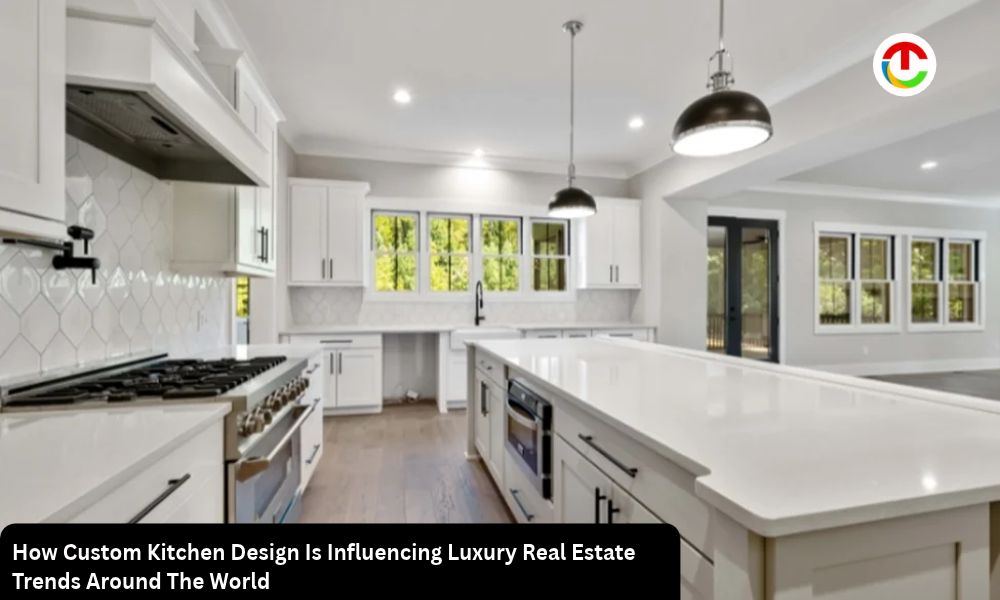
Alt text: Modern kitchen with custom white range hood
Image link: https://www.canva.com/photos/MAEukMgWU4E/
Luxury real estate has always reflected changing lifestyles, architectural preferences, and buyer expectations. Today, custom kitchen design is playing an increasingly important role in how developers, investors, and homeowners approach high-end residential properties.
Modern luxury kitchens are no longer simply functional spaces for preparing meals. They have become architectural centerpieces that combine sophisticated aesthetics, advanced technology, premium materials, and personalized features.
As international property markets become increasingly competitive, developers are recognizing the importance of distinctive kitchen designs. These spaces can influence buyer perceptions, support premium positioning, and help properties stand out in the luxury real estate market.
The Growing Importance Of Kitchens In Luxury Real Estate
The kitchen has evolved into one of the most influential spaces in residential property design. In luxury homes, it often serves as a central gathering area where residents cook, entertain guests, and spend time with family.
This shift has encouraged developers to prioritize spacious layouts, premium finishes, and customized architectural features. Rather than treating kitchens as separate functional rooms, designers increasingly integrate them into larger living and entertaining spaces.
For real estate investors, Custom Kitchen Design can also influence a property’s marketability. Buyers evaluating high-end homes often expect kitchens that reflect the same level of craftsmanship and attention to detail as the rest of the property.
How Customization Is Changing Buyer Expectations?
Luxury buyers increasingly seek properties that offer individuality rather than standardized design solutions. Custom kitchens let homeowners choose layouts, materials, finishes, and architectural details that match their preferences.
This demand for personalization has pushed developers beyond conventional cabinetry and mass-produced fixtures. Bespoke storage systems, custom islands, integrated appliances, and statement ventilation features are becoming important considerations in premium residential developments.
Customization also allows designers to respond to different architectural styles and regional preferences. A contemporary penthouse in New York may require a different approach from a Mediterranean villa or a luxury waterfront residence in Dubai.
Premium Materials Are Defining Modern Luxury Kitchens
Material selection plays a significant role in creating kitchens that communicate quality and sophistication. Natural stone, hardwood, stainless steel, brass, and copper are frequently incorporated into high-end residential interiors.
Marble and quartzite countertops remain popular choices because of their distinctive appearance and natural variations. Meanwhile, hardwood cabinetry adds warmth and texture, helping balance the clean lines common in contemporary luxury design.
Metal finishes have also become increasingly important architectural elements. Designers often incorporate custom range hoods, metallic accents, and decorative fixtures to create visual interest without overwhelming the overall space.
For example, specialized manufacturers such as worldcoppersmith.com offer custom range hoods that allow designers to coordinate ventilation features with different kitchen styles. These architectural details demonstrate how functional equipment can contribute to a property’s overall design identity.
Open-Concept Kitchens Are Reshaping Luxury Living
Open-concept layouts continue to influence luxury residential architecture across international markets. By connecting kitchens with dining rooms and living areas, developers create flexible environments that accommodate everyday activities and social gatherings.
Large kitchen islands frequently serve as the focal point of these spaces. They provide extra prep space, informal seating, and opportunities for homeowners to interact with guests while cooking.
However, some luxury properties are also incorporating secondary preparation kitchens or concealed cooking areas. These arrangements let homeowners maintain an attractive entertaining space while keeping intensive food preparation separate.
This mix of openness and privacy shows how kitchen design is adapting to different household needs. Developers who recognize these preferences can create properties that appeal to a broader range of affluent buyers.
Smart Technology Is Becoming A Luxury Standard
Technology is another major factor influencing modern kitchen design. Smart appliances, automated lighting systems, and connected home technology are becoming increasingly common in premium residential developments.
High-end refrigerators can offer advanced temperature management, while intelligent ovens provide precise cooking controls. Integrated lighting systems let homeowners adjust brightness and atmosphere for different activities.
According to the National Kitchen & Bath Association’s 2026 Kitchen Trends Report, smart technology integration and personalized functionality are among the growing priorities in residential kitchen design.
kb-media.nkba.org
This reflects a broader shift toward homes that combine convenience, efficiency, and sophisticated aesthetics.
For developers, these features can strengthen a property’s appeal to technology-conscious buyers. However, intuitive controls and reliable performance remain just as important as technological sophistication.
Sustainability Is Influencing High-End Kitchen Design
Environmental considerations are also shaping the future of luxury residential interiors. Developers increasingly recognize that premium design and sustainability can complement each other rather than compete.
Energy-efficient appliances, water-saving fixtures, and responsibly sourced materials offer opportunities to reduce environmental impact. Durable countertops, quality cabinetry, and timeless finishes can also help minimize the need for frequent replacements.
The 2026 U.S. Houzz Kitchen Trends Study found that 88% of renovating homeowners incorporated at least one sustainable feature into their kitchen projects.
Final
Although this research covers a broader residential market, it highlights the growing importance of environmentally conscious design decisions.
Luxury property developers can incorporate these principles without sacrificing visual appeal. Thoughtful material selection and efficient technology can create kitchens that remain attractive and functional for years.
Regional Preferences Are Shaping International Kitchen Trends
Although luxury kitchen design shares certain global characteristics, regional preferences continue to influence architectural decisions. Climate, cultural traditions, property layouts, and entertaining habits all affect how homeowners use their kitchens.
In European luxury residences, designers may emphasize craftsmanship, natural materials, and architectural continuity. Meanwhile, contemporary developments in major international cities often prioritize integrated appliances, streamlined cabinetry, and efficient use of available space.
Properties designed for extensive entertaining may benefit from larger islands, additional refrigeration, and separate preparation areas. Homes in warmer climates may also incorporate outdoor kitchens that connect interior living spaces with terraces and gardens.
These differences highlight the importance of understanding local buyer expectations. International developers must balance recognizable luxury features with designs that suit each property’s location and intended market.
How Custom Kitchens Can Influence Property Value?
Custom kitchen design can contribute to a property’s perceived value by improving functionality, visual appeal, and overall presentation. However, the financial return depends on factors such as location, construction quality, buyer preferences, and renovation costs.
A well-designed kitchen can help a luxury property stand out from competing listings. High-quality materials, practical layouts, and distinctive architectural features may strengthen buyer interest during property viewings.
Developers should nevertheless avoid assuming that expensive finishes automatically translate into higher resale prices. Successful kitchen investments require careful consideration of the property’s price category and prospective buyers’ expectations.
The Future Of Custom Kitchen Design In Global Real Estate
Custom kitchen design will likely continue to influence luxury real estate as buyers seek homes that accommodate increasingly personalized lifestyles. Technology, sustainability, craftsmanship, and flexible living arrangements will remain important considerations for developers.
Rather than relying exclusively on expensive materials or decorative features, successful luxury kitchens will combine attractive design with practical everyday functionality. Properties that achieve this balance may be better positioned to meet changing buyer expectations.
As international real estate markets evolve, custom kitchens will remain an important element of residential differentiation. For developers and investors, understanding these design priorities can support more informed decisions about creating desirable, competitive luxury properties.
Also Read :- How to Make Your Home More Attractive to Buyers Without Major Renovations