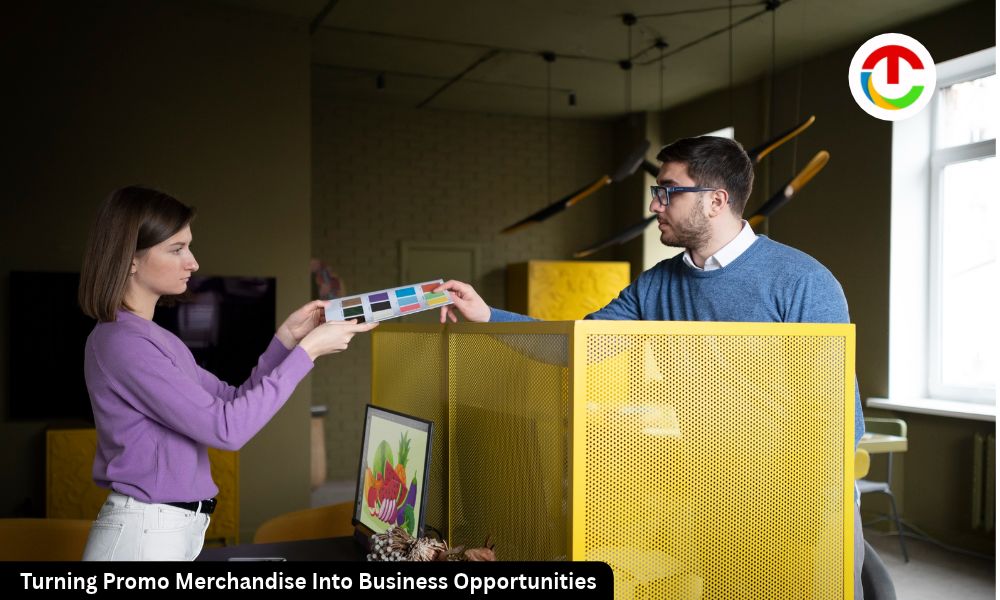
Promo Merchandiseis often treated as a line item. A box of pens. A pallet of tote bags. Then it sits in a closet.
That wastes budget. Merchandise is a physical media channel. You can plan it, track it, and tie it to revenue.
Treat Promo Merchandise as a Media Channel
Every branded item carries impressions. A mug sits on a desk for years. A tote bag moves through transit, offices, and gyms. Each use lowers your cost per impression.
Start with one goal. Pick lead capture, onboarding, retention, or referrals. Then choose the item that supports it. Most teams skip this step. It shows in their results.
Match the Product to the Buyer
Generic giveaways produce generic results. Tie the item to the recipient’s daily routine.
Customizable promotional products let you adjust the item, message, and quantity for each audience segment. A software team might send a notebook with a QR code. A trade show booth might hand out phone stands. A top client might receive an insulated bottle with an engraved name.
Run this checklist before you order:
- Define the audience segment.
- Confirm the daily use case.
- Set one call to action.
- Pick a decoration method that lasts, such as embroidery, screen print, or laser engraving.
- Set a budget per recipient.
Design for Action
Branding alone is passive. Add a trigger. A short URL, QR code, or unique promo code gives the recipient a next step.
Keep the design clean. Use high contrast. Limit copy to a logo, one line, and one action. QR codes need size and clear space around them to scan well. Test on three devices before you print. Check contrast on dark fabrics too.
Track Results Like Any Other Campaign
Merchandise is measurable when you build tracking in from the start.
Use these methods:
- A dedicated landing page for each campaign
- QR links tagged with UTM parameters
- Promo codes assigned by event or batch
- CRM tags for gift recipients
- Follow-up surveys at 30 and 60 days
Compare lead volume and conversion against your other channels. Calculate cost per lead for each batch. Patterns show up fast. Cut what does not perform. Reorder what does.
Mind privacy rules when you collect data through scans or forms. State what you collect and why.
Know What the Research Shows
The Promotional Products Association International ran a consumer study in 2016. Its findings are useful for planning. According to the PPAI 2016 Consumer Study, 89 percent of respondents had received a promotional product in the previous six months. Roughly eight in ten had looked up a brand after receiving one. Also, 83 percent said they were more likely to do business with a brand that gave them one.
The data is dated and survey based. Treat it as directional. Your own tests matter more. Set a baseline, run a small batch, and measure.
Use Promo Merchandise Across the Customer Lifecycle
One item does not fit every stage. Map products to the buyer journey.
At the prospect stage, use low-cost items with scan codes. At onboarding, send welcome kits that reduce setup friction. For retention, ship milestone gifts at renewal points. For referrals, offer a branded reward after a closed deal. For hiring, send recruits a kit that reflects your culture.
Each stage needs its own message. Each needs its own metric.
Control Cost and Logistics
Unit price falls as quantity rises. But overordering creates dead stock. Order in smaller batches when the design may change.
Request physical samples. Check print quality, color match, and durability. Confirm lead times early. Rush fees erode margin. Ask about minimum order quantities and setup fees.
Plan storage and shipping too. Kitting, fulfillment, and international customs add time and cost. Build them into the budget from day one.
Consider sustainability. Recycled materials and durable designs reduce waste. They also signal brand values to buyers who care.
Build a Repeatable Process
One-off giveaways do not scale. A process does.
Document your goals, audience segments, product specs, and tracking setup. Review results each quarter. Keep a vendor scorecard that covers quality, turnaround, and price. Archive winning designs for reuse.
Promo Merchandise becomes a business opportunity when it has a purpose, a trigger, and a metric. Without those, it is just stuff. With them, it supports pipeline, retention, and brand recall in a measurable way.
Also Read :- Commercial Display Solutions for a Connected World