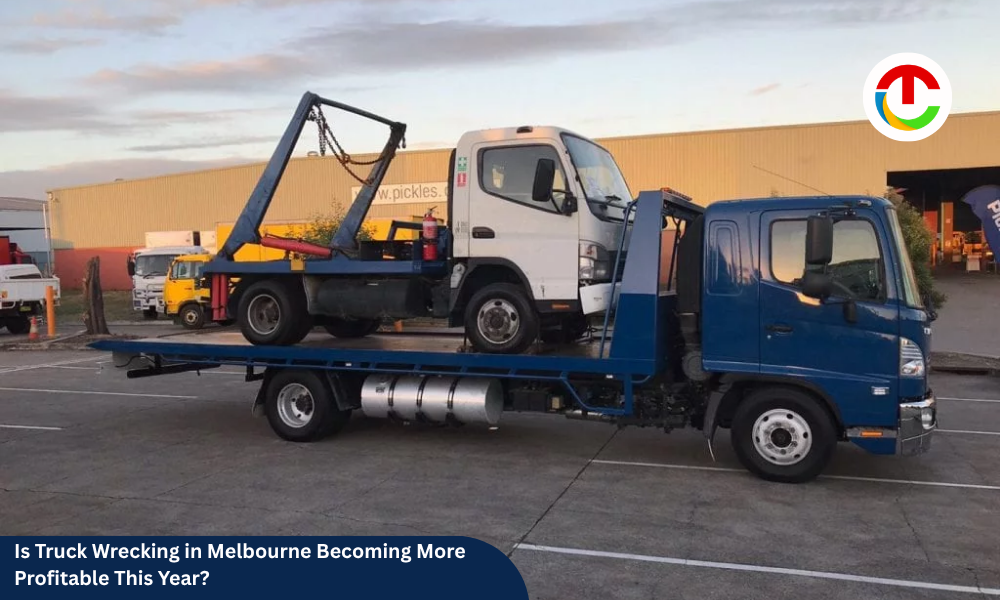
Truck wrecking in Melbourne is gaining sharper attention in 2026 as repair costs, parts demand, and metal prices reshape vehicle disposal. Older work vehicles are staying on roads longer, yet owners face rising bills once major parts fail. That gap creates stronger demand for dismantlers that can recover usable components, process scrap, and move unwanted trucks quickly. Profitability is improving, but the gains depend on supply quality, compliance, and smarter yard operations.
Market conditions now favour yards that can accurately assess trucks, remove them quickly, and separate high-value parts before scrap processing begins. For owners comparing local disposal choices,truck wrecking in Melbourne services often matter because heavy vehicles contain saleable engines, gearboxes, panels, tyres, batteries, and metal weight that can retain value even after road use ends.
Why Profit Margins Are Improving?
Several cost pressures are pushing more damaged and ageing trucks into the wrecking channel. Repairs for transmissions, diesel engines, cooling systems, and structural damage can exceed resale value. Operators with older fleets are also watching downtime more closely, since a parked truck can delay jobs and raise storage costs.
This creates a larger supply pool for wreckers. More supply does not always mean higher profit, but it helps when vehicles have usable parts. A late-model truck with a failed engine may still provide doors, seats, wheels, electronics, lights, and body panels. These parts can sell for far more than raw scrap alone.
Metal recovery also supports returns. Trucks carry more steel, aluminium, copper, and lead than many passenger vehicles. Even modest movements in scrap prices can affect yard income because the weight per unit is high.
1. Parts Demand Is A Key Driver
The strongest profit often comes from parts, not crushed metal. Melbourne still has many trade vehicles, delivery trucks, tippers, vans, and light commercial units in daily use. Owners of these vehicles often seek used parts to reduce repair costs and return equipment to service faster.
Demand is strongest for parts that are expensive new, hard to source, or no longer stocked widely. Engines, differentials, fuel systems, gearboxes, mirrors, trays, doors, and electronic modules can move quickly when tested and catalogued well.
2. Quality Control Matters
Profit can disappear if parts are removed poorly or stored without care. A dismantler must identify damage, test components, label stock, and protect items from weather. Better inventory control helps buyers trust the yard and reduces refund disputes.
Good records also make pricing sharper. A yard that tracks make, model, year, condition, and part demand can avoid underselling rare components or holding slow stock for too long.
3. Operating Costs Are Rising Too
Higher revenue does not guarantee better profit. Truck wrecking has heavy operating demands. Towing large vehicles requires suitable equipment, trained staff, fuel, space, and safe handling. Fluids, tyres, batteries, and hazardous materials also need proper disposal.
Compliance costs are another pressure. Yards must manage oil, coolant, fuel, air conditioning gases, and runoff carefully. Poor process can lead to fines, cleanup costs, and reputational harm. Well-run operators treat compliance as part of the cost base, not an afterthought.
Labour also matters. Skilled dismantlers can remove valuable parts without damage. That skill improves yield, but wages and training add expense. The most profitable yards balance speed with careful recovery.
What Truck Owners Should Watch?
Truck owners can benefit from stronger wrecking demand if they prepare details before requesting a quote. Clear information helps a buyer price the vehicle fairly. Useful details include make, model, year, registration status, engine condition, accident history, location, and whether the truck can roll or steer.
Photos also help. Images of the cab, tray, chassis, tyres, odometer, and damage give buyers more confidence. That can reduce quote changes at pickup and make the process faster.
Owners should also remove personal items, check paperwork, and confirm whether towing is included. A higher headline offer can lose value if transport fees or delays appear later.
Outlook For This Year
Truck wrecking in Melbourne looks more profitable this year for operators with strong purchasing discipline and well-organised stock systems. Demand for used commercial parts remains useful, while heavy scrap weight adds a second income stream. Yet the margin is not automatic. Profit depends on buying the right vehicles, controlling labour, managing compliance, and selling recovered parts before they sit too long.
Conclusion
Truck wrecking in Melbourne is becoming more profitable this year, but mainly for operators that manage each vehicle as more than scrap. Rising repair costs, steady parts demand, and heavy material recovery all support stronger returns. The best results come from accurate quotes, careful dismantling, and clean recycling practices. For truck owners, this market can mean better disposal value, faster removal, and a more practical exit from ageing or damaged vehicles.
Also Read :- 8 Signs Your Honda Needs a Trip to an Auckland Wrecker, Not a Mechanic