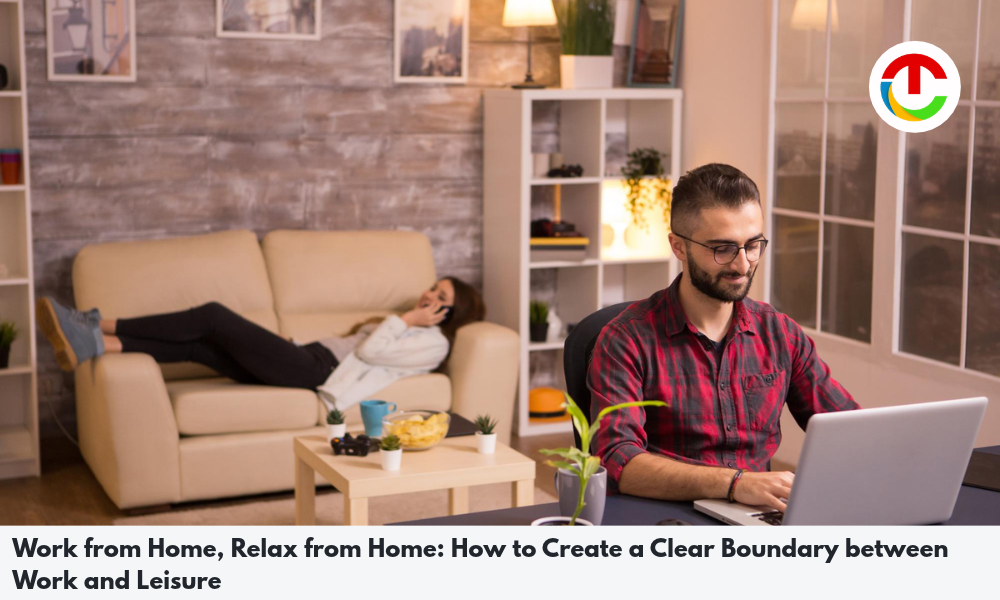
Compared to a traditional job that requires commuting, working from home offers you much more control over your schedule. But when your desk accommodates both your Work from Home and leisure setup, the psychological lines between work and play can blur, making your downtimes feel less restorative.
If you must use the same laptop or phone for work as well as for diversions like streaming, multiplayer experiences, online casino gaming, or anything else, then you’ll probably want to reassess how you do things. Thankfully, creating better separation does not require a spare room or an expensive home-office makeover. A few practical habits can make it easier to work productively and enjoy your downtime afterward. Start with these tried-and-true tips.
1) Give Your Workday a Clear Starting Point
Consistent morning rituals can signal that it is time to shift into work mode. You might make coffee, review your schedule, prepare your workspace, or open only the programs you need for the day.
Whatever you need to do, try to begin at roughly the same time whenever your schedule allows. A predictable starting point helps keep work from drifting into the rest of your day.
2) Create and Reset a Dedicated Work from Home
Though arguably ideal, you don’t always need a separate home office. So long as your workstation is properly demarcated, even a small desk or one end of the dining table can become your designated workspace.
If you must Work from Home that way, just be sure that you reset that area when work ends. Close your laptop, put away notes, or switch off your desk lamp. If your work desk also serves as your gaming station, closing work programs and changing the lighting can help signal that the space has shifted from productivity to leisure. That way, you’ll also be able to enjoy yourself more when you choose to play lottery games online or do a few rounds of slots online with an accompanying online slots guide.
3) Separate Your Digital Work and Personal Spaces for Work from Home
When one device handles both work and entertainment, setting up digital boundaries can be necessary. If you can’t use separate devices, consider creating separate browser profiles or computer accounts. Keep company email, productivity tools, and work bookmarks in one profile, while gaming, entertainment, and personal accounts stay in another. This reduces distractions during work and makes the switch to personal time more deliberate.
4) Set a Definite End to the Workday for Work from Home
Without a commute home, working past your scheduled hours seems trivial. Nonetheless, the number of hours in the day remains the same.
That said, choose a reasonable finishing time and treat it seriously. Set an alarm to tell you to write down unfinished tasks or priorities for tomorrow instead of trying to complete everything immediately. That gives you a clear stopping point and avoids self-inflicted burnouts over time.
5) Create a Short Transition Ritual
Commuting may be a drag for some, but it does have one clear perk. So long as the commute times are reasonably short, it creates a beneficial decompression period that makes transitions between office responsibilities and home life feel a bit more natural.
To recreate this benefit at home, commit to some light activity after logging off. Take a short walk, stretch, shower, prepare a snack, listen to music, or spend a few minutes away from screens. The specific activity matters less than having a consistent signal that work time is over.
6) Keep Entertainment out of Active Work Time
Games, streams, videos, and social media can be enjoyable ways to relax, but leaving them open during work will blur the boundary you are trying to create. Save entertainment for scheduled breaks or after work whenever possible.
7) Limit Work Notifications After Your Shift
Even after you close your laptop, one notification can pull your attention back into work mode. If your job allows it, save yourself the unnecessary worry and mute nonessential email and workplace messaging alerts once your working hours end. You can still remain reachable for urgent matters while preventing routine messages from repeatedly interrupting your personal time.
8) Take Real Breaks during the Workday
Creating boundaries does not have to mean working continuously until the end of your shift. Short, planned breaks between tasks help reduce fatigue, in the process helping you keep your focus when it’s time to do some real work.
Every hour, try to stand up, drink water, rest your eyes, or move around for a few minutes. Keeping these brief workday breaks might even help you conserve some energy for the leisure activities you’ve planned after your shift.
Make Home Work for Work and Play
With clear routines as well as sensible physical and digital boundaries, you can create a meaningful separation between work and leisure, even if you have a small home. When planned carefully, you might not even have to remove gaming, entertainment, or other hobbies from your routine. Give each part of your day its own space and rhythm, and even a modest home can become a place where both productivity and relaxation comfortably coexist.
Also Read :- Top 9 Work From Home Opportunities for 2025