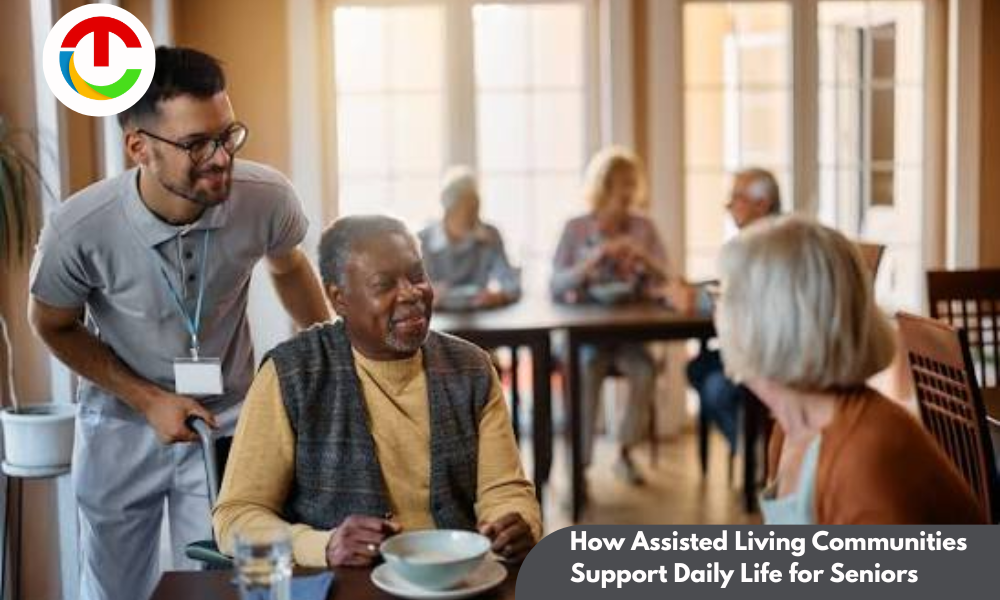
Assisted living communities help older adults handle daily routines with steadier support, safer surroundings, and regular human contact. Many seniors want privacy and choice, yet routine tasks can become physically draining or medically risky. These settings ease that strain without removing autonomy. Staff assist with practical needs, while residents keep familiar preferences. Families also gain reassurance because staff handle day-to-day care, meals, and supervision consistently and dependably.
Personal Care With Dignity
Bathing, dressing, grooming, and walking can become tiring long before a senior is ready to give up independence. Families reviewing assisted living in Kingman often want respectful help, flexible routines, and room for personal habits. Care staff provide hands-on assistance when needed, yet residents still choose wake times, clothing, and pacing. That approach protects dignity and reduces avoidable strain on everyone at home.
Meals That Reduce Daily Strain
Meal preparation asks for balance, grip strength, memory, and stamina, all of which may decline with age. Community dining removes shopping, cooking, and cleanup from the daily load. Residents receive regular meals that support hydration, calorie intake, and stable blood sugar levels. Dietary adjustments can also address swallowing issues, sodium limits, or diabetes management. Families worry less about skipped lunches, unsafe burners, or poor nutrition.
Medication Support That Builds Stability
Medication schedules become harder to manage when prescriptions change, eyesight fades, or memory becomes less reliable. Staff help residents take their doses at the right times and quickly notice missed medications. That oversight lowers the chance of pain flares, dizziness, or avoidable hospital trips. Some communities also track symptoms and share updates with outside clinicians. Families benefit from clearer communication, while seniors receive earlier attention when health patterns shift.
Housekeeping That Frees Up Energy
Laundry baskets, vacuuming, and bed linen changes can place real stress on joints, balance, and breathing. Assisted living communities take over much of that physical work. Cleaner rooms also lower fall risk by reducing clutter and loose items underfoot. With fewer chores draining energy, residents can rest, read, or spend time with others. Daily life feels lighter when routine upkeep no longer demands constant effort.
Safer Spaces, Better Confidence
A safer environment often restores confidence after a fall, illness, or period of weakness at home. Communities usually include accessible bathrooms, wider walkways, handrails, and staff availability day and night. Those details matter because fast help can limit harm during sudden dizziness or an urgent medical episode. Residents move with greater ease, and relatives gain peace of mind knowing support is close by when needed.
Social Life That Feels Natural
Isolation affects sleep, mood, appetite, and even cognitive sharpness in later life. Assisted living communities create regular chances for conversation without forcing participation. Residents may join music sessions, games, walking groups, or shared meals that bring gentle structure to the week. New friendships often grow through repetition rather than pressure. That steady contact can reduce loneliness and support emotional health in a practical, observable way.
Transportation and Local Access
Driving may be impaired by slower reaction time, poor vision, or medication side effects. Communities often provide transportation for medical visits, shopping trips, and planned outings. That service keeps seniors connected to familiar places rather than confining them indoors. Reliable rides also reduce missed appointments and lower stress for relatives managing packed schedules. Continued access to local life helps preserve routine, confidence, and social participation.
Support for Families Too
Family caregivers often balance employment, child care, household tasks, and medical coordination simultaneously. That constant demand can wear down sleep, concentration, and physical health. Assisted living communities share the daily load through meals, supervision, and routine care. Relatives can then focus more on presence than task management. Visits tend to feel calmer and more personal when urgent duties do not shape every conversation.
Community Features Matter
Strong communities offer more than assistance with basic tasks. Useful features may include wellness programs, outdoor spaces, social calendars, salon services, and short-term stays after illness. Some settings also provide memory care for residents who need closer supervision and structured support. These options matter because needs often change over time. A place with a broader range of services can reduce disruption and help seniors remain in familiar surroundings longer.
Conclusion
Assisted living communities support daily life by combining practical care, safer design, and regular social contact in one setting. Seniors receive help with routine needs, yet they still keep choice, privacy, and personal rhythm. Families gain breathing room and clearer confidence about a loved one’s well-being. For many households, this model makes everyday life steadier, less stressful, and more humane, while giving older adults comfort, respect, and meaningful connection.
Also Read :- How Personalized Home Care Services in Wilmington Improve Quality of Life?