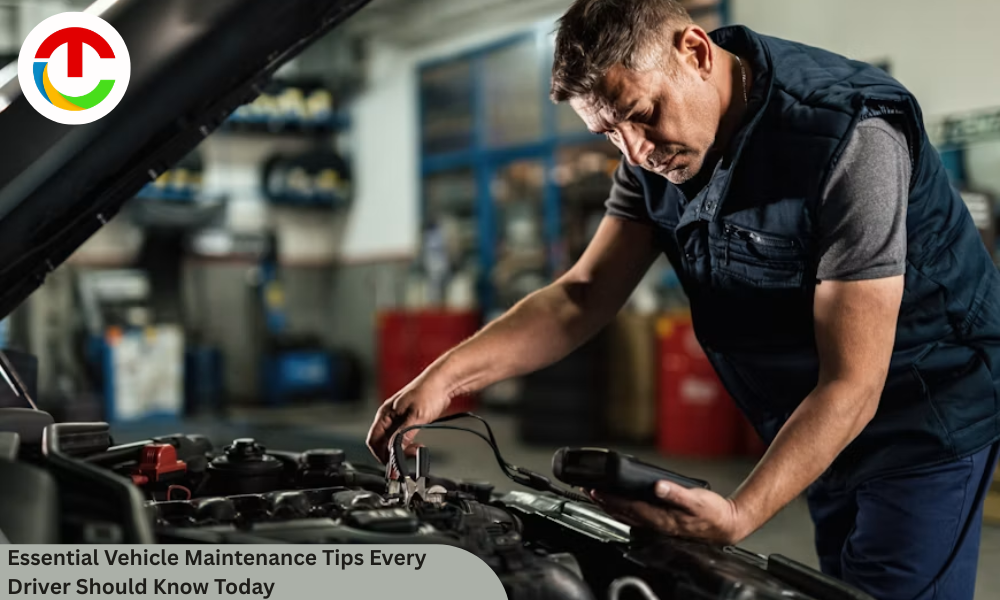
Owning a vehicle comes with the responsibility of keeping it in excellent condition. Routine Vehicle Maintenance not only helps extend your vehicle’s lifespan but also improves safety, performance, and fuel efficiency. By staying proactive and addressing minor issues before they become major problems, drivers can reduce unexpected breakdowns and expensive repairs.
Essential Vehicle Maintenance tips will help keep your vehicle running reliably for years to come.
1. Check Fluids and Replace Them Regularly
Your vehicle relies on several essential fluids to operate efficiently. Engine oil, coolant, brake fluid, transmission fluid, power steering fluid, and windshield washer fluid all play important roles in protecting components and ensuring smooth performance. Neglecting routine fluid checks can lead to overheating, increased wear, and costly mechanical failures.
Check fluid levels regularly and inspect for signs of contamination or leaks. Low or dirty fluids can reduce system performance and shorten the lifespan of major components. Following your vehicle manufacturer’s recommended service intervals helps maintain optimal performance while preventing unnecessary repairs.
Engine oil deserves particular attention because it lubricates moving parts and reduces friction. Over time, oil loses its effectiveness as contaminants build up. Replacing it at appropriate intervals helps protect the engine and contributes to better fuel efficiency.
2. Watch for Fluid Leaks
Small leaks often become larger problems if ignored. Inspect your parking area for unusual puddles or stains and investigate any leaks promptly.
Common warning signs include:
- Low fluid levels
- Dashboard warning lights
- Burning smells
- Overheating
- Difficulty steering
- Reduced braking performance
Addressing leaks early can prevent more extensive damage and expensive repairs.
3. Inspect Tires Frequently
Your tires are the only part of the vehicle that remains in direct contact with the road, making their condition critical for safety and handling. Proper tire maintenance improves traction, enhances fuel efficiency, and extends tire life.
Check tire pressure at least once each month and before long trips. Underinflated tires increase rolling resistance, while overinflated tires may reduce traction and cause uneven wear. Maintaining the recommended tire pressure helps optimize performance under varying driving conditions.
Regularly inspect tread depth and look for cuts, bulges, embedded objects, or uneven wear patterns. Rotating your tires according to recommended intervals promotes even wear and helps maximize their service life.
4. Maintain Proper Wheel Alignment
Misaligned wheels can negatively affect handling and accelerate tire wear.
Signs that your vehicle may require alignment include:
- Pulling to one side
- Uneven tire wear
- Crooked steering wheel
- Steering vibration
Prompt alignment adjustments improve both safety and driving comfort.
5. Monitor Your Battery and Electrical System
A reliable battery is essential for starting your vehicle and powering electrical systems. Batteries naturally lose performance over time, making periodic inspections an important part of preventive maintenance.
Inspect battery terminals for corrosion and ensure all connections remain secure. Clean any buildup carefully and verify that cables are tightly attached. If your battery is approaching the end of its expected lifespan, consider having it tested before it fails unexpectedly.
The charging system should also receive periodic attention. Warning lights, dim headlights, slow engine cranking, or electrical malfunctions may indicate battery or charging system issues that require professional diagnosis.
6. Keep Electrical Components Working Properly
Routine inspections should include:
- Exterior lights
- Brake lights
- Turn signals
- Interior lighting
- Windshield wipers
- Dashboard warning indicators
Ensuring these components function correctly improves visibility and road safety while helping you remain compliant with traffic regulations.
7. Protect Your Windshield and Windows
Clear visibility is essential for safe driving, making windshield maintenance an important part of vehicle care. Even small chips or cracks can spread over time due to temperature changes, road vibrations, or additional impacts.
Inspect your windshield regularly for damage and address minor chips before they become larger cracks requiring more extensive repairs. Drivers seeking professional assistance for auto glass in Kaysville, Utah to help preserve visibility and structural integrity.
Keep your windshield clean inside and out, replace worn wiper blades as needed, and refill washer fluid regularly. Proper visibility becomes especially important during rain, snow, or nighttime driving.
8. Replace Wiper Blades Regularly
Worn wiper blades reduce visibility during poor weather.
Replace them if you notice:
- Streaking
- Skipping
- Squeaking
- Cracked rubber
- Uneven wiping
Fresh wiper blades help maintain a clear view in changing weather conditions.
9. Follow Routine Inspections and Preventive Maintenance
Preventive maintenance is one of the most effective ways to avoid expensive repairs. Routine inspections allow small issues to be identified before they develop into significant mechanical problems.
Schedule regular maintenance based on your vehicle’s recommended service intervals. These inspections typically include brakes, suspension components, belts, hoses, filters, exhaust systems, and steering systems. Maintaining these components improves both reliability and safety.
Pay attention to unusual sounds, vibrations, warning lights, or changes in driving performance. Addressing these symptoms early often reduces repair costs while minimizing the risk of breakdowns.
10. Keep Vehicle Maintenance Records
Maintaining organized service records provides several important benefits.
Track items such as:
- Oil changes
- Tire rotations
- Brake service
- Battery replacement
- Fluid changes
- Filter replacements
- Inspection reports
Detailed records make future maintenance easier to schedule and may increase your vehicle’s resale value by demonstrating consistent care.
Conclusion
Consistent essential vehicle maintenance is one of the best investments you can make in your safety, reliability, and long-term ownership costs. Regular inspections, timely fluid changes, proper tire care, battery maintenance, and prompt attention to windshield damage all contribute to dependable performance. By following these essential maintenance tips, you can reduce unexpected repairs, improve driving confidence, and help your vehicle remain in excellent condition for many miles ahead.
Also Read :- How To Extend Your Car’s Lifespan With Smart Maintenance Habits