High energy bills can place unnecessary pressure on household budgets, especially when everyday habits and home conditions cause energy waste. Lowering monthly energy bill does not always require major lifestyle changes. Simple improvements, smarter usage, and strategic upgrades can make a noticeable difference over time. By understanding where energy is being consumed and taking practical steps to improve efficiency, homeowners can create a more comfortable and cost-effective living environment.
Tips for Lowering Monthly Energy Bill
1. Improve Home Insulation And Reduce Energy Loss
One of the most effective ways to lower energy bills is by improving insulation throughout your home. Proper insulation helps maintain indoor temperatures by reducing the amount of heated or cooled air that escapes. When your home can better retain conditioned air, heating and cooling systems do not need to work as hard to maintain comfort.
Areas such as attics, walls, floors, and crawl spaces often contribute to energy loss when they lack sufficient insulation. Checking these areas and making necessary improvements can reduce temperature fluctuations and create a more consistent indoor environment.
Insulation improvements are especially beneficial during extreme weather conditions. A well-insulated home stays warmer during colder months and cooler during hotter months, helping reduce the demand placed on heating and cooling equipment.
2. Seal Air Leaks Around Your Home
Small gaps and cracks around doors, windows, and other openings can allow conditioned air to escape. These leaks may seem minor, but they can significantly affect energy consumption over time.
Weatherstripping, caulking, and other sealing methods can help prevent unwanted airflow. Addressing these areas allows your home to maintain a more stable temperature while reducing unnecessary energy use.
3. Upgrade Older Windows For Better Efficiency
Windows play an important role in controlling how much energy a home uses. Older or poorly sealed windows may allow outdoor temperatures to affect indoor comfort, forcing heating and cooling systems to operate more frequently.
Replacing outdated windows with more efficient options can improve insulation, reduce drafts, and help maintain consistent indoor temperatures. Professional window replacement services in Logan, UT can help homeowners identify solutions that improve energy efficiency while enhancing overall home comfort.
Energy-efficient windows can also provide additional benefits beyond lower bills. They may reduce outside noise, improve natural lighting, and increase the overall value and appearance of a property.
4. Use Window Treatments Strategically
Even without replacing windows immediately, homeowners can improve efficiency by using window coverings effectively. Curtains, blinds, and shades can help block excessive sunlight during warmer months and retain indoor warmth during colder periods.
Using these solutions strategically can reduce the workload on heating and cooling systems. Simple adjustments to how sunlight enters your home can contribute to noticeable energy savings.
5. Make Heating And Cooling More Efficient
Heating and cooling systems are often among the largest sources of household energy consumption. Improving how these systems operate can lead to significant monthly savings.
Regular maintenance is essential for keeping equipment efficient. Replacing filters, checking system performance, and addressing issues early can help prevent unnecessary energy use.
It is also important to avoid overworking heating and cooling systems. Setting comfortable but reasonable temperatures, using programmable schedules, and adjusting settings when the home is unoccupied can reduce energy waste.
6. Improve Airflow Throughout Your Home
Proper airflow allows heating and cooling systems to distribute air more effectively. Blocked vents, dirty filters, and poorly arranged furniture can limit airflow and make systems work harder.
Keeping vents clear and ensuring air can move freely throughout rooms improves comfort and efficiency. These small adjustments can help your system operate more effectively without increasing energy consumption.
Regularly checking ductwork can also help identify leaks or issues that may reduce system performance. Efficient air distribution ensures that energy used for heating or cooling is not wasted.
7. Reduce Energy Consumption Through Daily Habits
Everyday habits have a major impact on monthly energy costs. Small changes in how appliances, lighting, and electronics are used can add up to meaningful savings over time.
Turning off lights when leaving rooms, unplugging unused devices, and using appliances more efficiently can help reduce unnecessary energy consumption. While each action may seem small, consistent habits create a larger impact.
Being mindful of energy use also encourages homeowners to identify areas where waste commonly occurs. Understanding personal consumption patterns makes it easier to make informed decisions about reducing costs.
8. Use Appliances More Efficiently
Large appliances often require significant amounts of energy, especially when used frequently. Running full loads in laundry machines and dishwashers, maintaining proper appliance settings, and avoiding unnecessary usage can improve efficiency.
Regular cleaning and maintenance also help appliances perform better. When equipment operates efficiently, it requires less energy to complete everyday tasks.
Replacing extremely outdated appliances with more efficient models may also reduce long-term energy expenses. Homeowners should consider both the initial investment and potential savings when planning upgrades.
9. Invest In Energy-Efficient Lighting And Technology
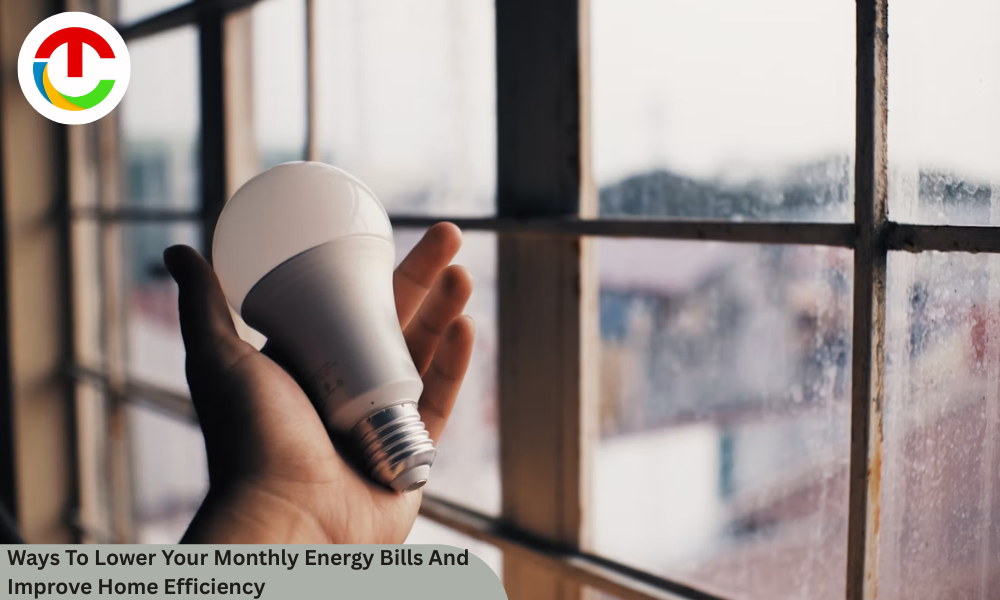
Lighting is another area where homeowners can reduce energy consumption. Switching to efficient lighting options can lower electricity use while maintaining comfortable brightness throughout the home.
Using natural light whenever possible is another simple way to reduce reliance on artificial lighting. Opening curtains during the day and arranging spaces to maximize sunlight can create a brighter and more energy-conscious home.
Smart energy management tools can also help homeowners monitor usage patterns and identify opportunities for improvement. Understanding when and where lowering monthly energy bill is being consumed allows for more intentional decisions.
10. Reduce Standby Energy Use
Many electronic devices continue using small amounts of energy even when they are not actively being used. This standby consumption can increase monthly bills over time.
Developing the habit of turning off unnecessary electronics and disconnecting unused devices can help reduce hidden energy waste. Managing these small sources of consumption contributes to overall efficiency.
Creating designated areas for frequently used electronics can also make it easier to control energy usage. Simple organization can support better energy habits throughout the household.
11. Consider Renewable Energy And Long-Term Improvements
For homeowners looking for larger savings, long-term energy improvements may provide significant benefits. Renewable energy solutions, improved home systems, and efficiency upgrades can reduce dependence on traditional energy sources.
Before making major investments, it is important to evaluate the specific needs of your home. Factors such as location, energy usage patterns, and existing systems can influence which improvements provide the greatest value.
Long-term upgrades often require upfront investment but may provide ongoing savings through reduced energy consumption. Planning improvements strategically allows homeowners to create a more efficient and sustainable property.
12. Create An Energy-Saving Plan
Lowering monthly energy bills becomes easier when homeowners have a clear strategy. Start by identifying areas where the most energy is being used and focus on improvements that provide the greatest impact.
Combining several small changes often creates the best results. Improving insulation, maintaining equipment, adjusting daily habits, and upgrading inefficient areas can work together to Lowering monthly energy bill.
An energy-saving plan should also evolve over time. As technology improves and household needs change, homeowners can continue finding new ways to increase efficiency and maintain affordable energy use.
Conclusion
Lowering monthly energy bills is possible through a combination of smarter habits, home improvements, and efficient energy management. From sealing air leaks and improving insulation to upgrading windows and maintaining heating and cooling systems, every step contributes to better efficiency. Small changes can create meaningful savings when practiced consistently, helping homeowners enjoy a more comfortable living space while reducing unnecessary energy expenses and supporting long-term household affordability.
Also Read :- House Hunting 101: How to Prepare Before Touring Your First Home