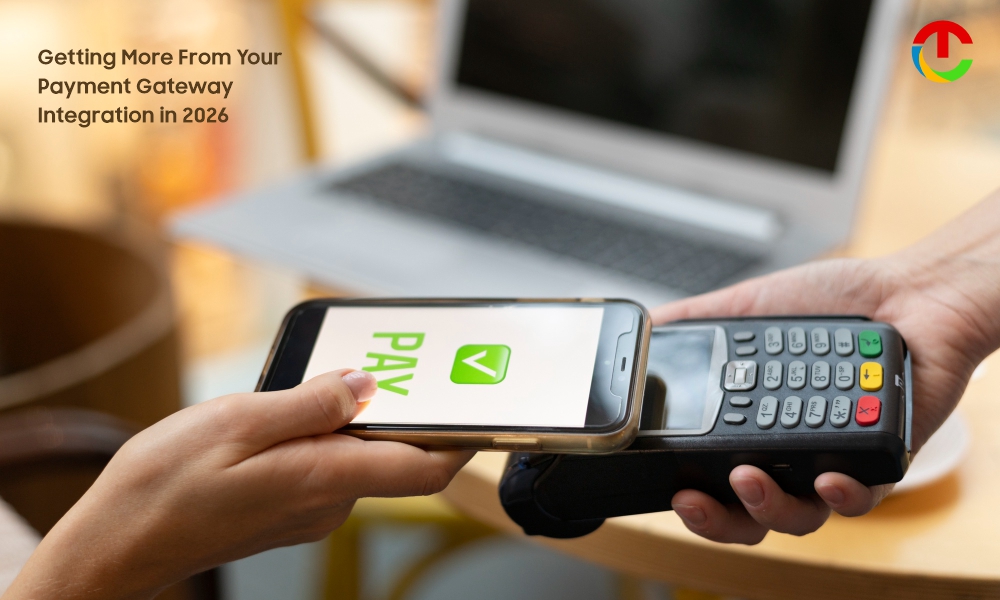
U.S. consumers and businesses made 236.6 billion noncash payments in 2024, according to the Federal Reserve’s 2025 triennial payments study – the largest three-year jump since the study began tracking volumes in 2000. Cards alone accounted for 79% of that number. That kind of volume puts real pressure on the systems processing it, and payment gateway integration sits right at the center of that pressure.
Most teams still treat it as something to configure once and forget. That worked when checkout was simpler. It doesn’t work as well now that a single weak point in a payment gateway integration can show up as a failed audit, a spike in declined orders, or a customer who quietly gives up mid-purchase.
What Actually Changed in Payment Compliance This Year?
Two shifts are worth understanding before touching any code: one regulatory, one behavioral.
Why PCI DSS v4.0.1 Enforcement Raises the Stakes?
PCI DSS v4.0.1 is now the only version card networks recognize. Every requirement once labeled “future-dated” became mandatory on March 31, 2025 – a milestone the PCI Security Standards Council confirmed directly. That includes stricter multi-factor authentication rules and closer monitoring of scripts running on the payment page.
A payment gateway integration built under the older standard is likely to have gaps now, particularly around third-party scripts. Pro tip: pull an inventory of every script loading on the checkout page – assessors are checking this line by line in 2026.
What the Checkout Abandonment Numbers Reveal ?
Average cart abandonment sits at 70.22%, based on 50 pooled studies from the Baymard Institute. Not all of that traces back to payment – plenty of shoppers are simply browsing – but a meaningful share comes from friction that a better setup could remove: too few payment methods, unclear errors, or a redirect that looks unfamiliar.
A clean payment gateway integration won’t erase browsing behavior. It can remove the part of that number that has nothing to do with intent and everything to do with execution.
How to Integrate Payment Gateway Without Rebuilding Checkout?
Improving payment gateway integration rarely means starting from zero. It usually means choosing the right method and testing it properly – two steps that get skipped more often than they should.
1. Which Integration Method Actually Fits?
There’s no single “correct” method. Each comes with a trade-off worth weighing against team size and how much control over the checkout actually matters.
| Method | Development effort | Checkout control | Best fit |
| Hosted checkout page | Low | Limited | Small teams, fast launch |
| Direct API integration | High | Full | Custom checkout, high volume |
| Plugin, SDK, or ready-made connector | Medium | Moderate | Established platforms |
For teams that don’t want to build every piece from scratch, prebuilt options like Solidgate connectors can shortcut the plugin route, plugging into existing platforms without the full engineering lift of a direct API build. That middle path is often the most realistic one for teams without a dedicated payments engineer.
2. What Should Get Tested Before Launch?
A technically correct payment gateway integration can still misbehave under real conditions. A short checklist catches most of what customers would otherwise find first:
- Run test transactions through declined cards, expired cards, and insufficient funds – not only the successful path
- Confirm webhook or callback events still fire when a payment fails partway through
- Test the checkout on a slow mobile connection, where timeouts tend to surface first
When Do Payment Gateway Integration Services Beat an In-House Build?
Not every business needs to build its own connection from the ground up. Payment gateway integration services exist because the compliance and engineering load has grown heavier than most internal teams can comfortably absorb.
A few signals tend to point toward outsourcing rather than building:
- Limited internal experience with PCI scope reduction or tokenization
- Operations spanning multiple currencies or regions with different regulatory demands
- A history of bugs around refunds, partial captures, or webhook handling
Choosing a specialist doesn’t mean losing control of the checkout experience. Good payment gateway integration services still let a business define the flow, the branding, and the payment methods on offer – they simply take on the burden of tracking every PCI revision and API change.
How to Get More From an Integration Already in Place?
Plenty of businesses aren’t choosing between building and outsourcing at all. They already have a working payment gateway integration and simply aren’t extracting much value from it – which is arguably the more common, and more fixable, situation.
A handful of adjustments tend to move the needle without touching the core connection:
- Smart retry logic – a portion of “insufficient funds” declines succeed on a second attempt hours later; treating every decline as final leaves that revenue on the table
- Broader payment method coverage – digital wallets, buy-now-pay-later, and local payment rails unlock buyers who won’t complete a purchase with a card form alone
- Clearer error messaging – a generic “payment failed” message gives a shopper no reason to try again; specifics about what went wrong do
Tokenization is worth a second look too. Storing a token instead of raw card data reduces PCI scope and speeds up returning-customer checkout – a small technical detail with an outsized effect on repeat conversion.
Frequently Asked Questions
1. What is payment gateway integration, exactly?
It’s the technical connection between a business’s checkout and a payment processor, allowing card and alternative payment data to move securely from customer to bank. It covers everything from the API call itself to how declines, refunds, and webhooks are handled behind the scenes.
2. How long does a typical integration take?
A hosted checkout page can be live within days, while a direct API integration built around custom checkout logic often takes several weeks. Timelines stretch further when multiple currencies, regions, or payment methods are involved.
3. Is PCI compliance required even with a hosted checkout page?
Yes, though the scope is smaller. A hosted page shifts most cardholder-data handling to the provider, but the business is still responsible for things like script control and keeping SAQ documentation current under PCI DSS v4.0.1.
4. Can an existing integration be improved without switching providers?
In most cases, yes. Retry logic, error messaging, tokenization settings, and payment method coverage can usually be adjusted within the current setup rather than requiring a full migration.
5. When is it worth bringing in outside help instead of maintaining it internally?
It’s worth considering once compliance overhead, multi-region complexity, or recurring bugs start consuming more engineering time than the team can spare. At that point, the cost of an external service is often lower than the hidden cost of chargebacks and failed audits.
Also Read :- Top 7 Texas Accounting Services for 2026