Running a business involves managing several expenses, from employee salaries and utilities to equipment repairs and property maintenance. For commercial property owners in the Chicago suburbs, roofing is another important responsibility that can affect long-term operating costs. Although a roof may not receive much attention when everything appears to be working properly, overlooking routine maintenance can lead to expensive repairs, operational disruptions, and damage to business assets.
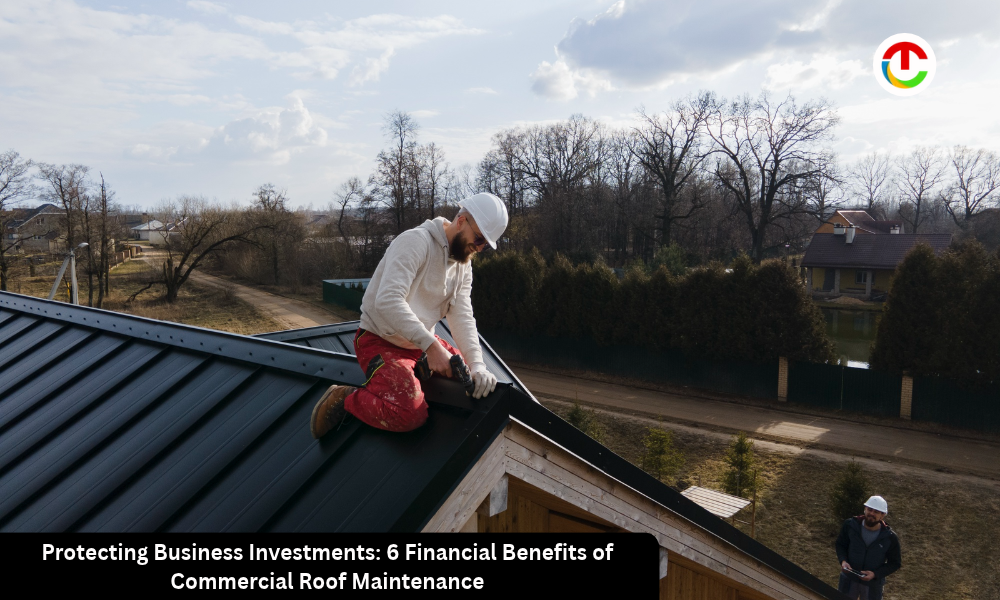
A small leak or damaged roofing membrane may seem like a minor issue initially. However, when left untreated, it can allow moisture to enter the building, damage insulation, affect electrical systems, and disrupt daily operations. Regular commercial roof maintenance helps businesses identify these problems early, protect their properties, and make better use of their maintenance budgets.
Why Commercial Roof Maintenance Matters for Businesses?
Commercial roofs are exposed to changing weather conditions, temperature fluctuations, heavy rainfall, snow, and strong winds. These conditions can gradually weaken roofing materials, damage drainage systems, and create openings where moisture can enter.
For businesses, the consequences can extend beyond the roof itself. Water intrusion may damage office equipment, inventory, ceilings, and interior finishes. It can also create conditions that encourage mold growth and affect the comfort of employees and customers.
The U.S. Environmental Protection Agency explains that moisture control is essential for preventing mold growth in buildings. This makes identifying roof leaks and addressing water intrusion important parts of protecting commercial properties.
Rather than waiting for visible damage, businesses can use scheduled inspections and preventive maintenance to keep roofing systems in better condition.
Key Ways Regular Commercial Roof Maintenance Helps Businesses Save Money
A proactive maintenance approach can help businesses avoid unnecessary expenses while keeping their commercial properties in good condition. From preventing emergency repairs to improving energy efficiency, regular roof inspections offer several long-term financial and operational benefits. Here are six ways consistent maintenance can help control costs.
1. Prevent Expensive Emergency Repairs
One of the biggest financial advantages of regular roof maintenance is the ability to identify problems before they become serious. Small cracks, loose flashing, damaged seams, and deteriorating sealants may be relatively straightforward to address when discovered early.
However, ignoring these issues can allow water to spread beneath the roofing system and damage insulation, decking, and interior spaces. Repairs may then involve more than simply fixing the original problem.
A preventive maintenance programme should include:
- Checking the roof surface for cracks, punctures, and damaged materials.
- Inspecting flashing around vents, skylights, and other roof penetrations.
- Looking for signs of water pooling or drainage problems.
- Checking seams, joints, and sealants for deterioration.
- Documenting damage and scheduling necessary repairs.
Keeping inspection records also helps property managers track recurring issues and plan maintenance expenses more accurately.
2. Extend the Life of the Roofing System
Commercial roof replacement can represent a significant capital expense, particularly for large buildings. Regular maintenance helps businesses protect their existing investment and reduce the likelihood of premature replacement.
Different roofing materials have different maintenance requirements. For example, flat and low-slope roofs need particular attention to drainage, seams, and areas where water may collect. Membrane systems also require inspections for punctures, separation, and surface deterioration.
Cleaning debris, repairing damaged sections, and maintaining drainage components can help prevent avoidable wear. Businesses should also follow the manufacturer’s maintenance recommendations to avoid practices that could damage the roofing material or affect warranty coverage.
Although maintenance cannot prevent every form of deterioration, it can help roofing systems perform more reliably over time.
3. Reduce Energy and Utility Expenses
A damaged commercial roof can affect more than the building’s structural condition. Moisture entering the insulation may reduce its effectiveness, while gaps and deteriorating roofing components can contribute to unwanted heat transfer.
This can make heating and cooling systems work harder to maintain comfortable indoor temperatures, potentially increasing energy consumption.
Regular inspections can help identify damaged insulation, deteriorated seals, and other problems affecting the building envelope. Businesses can also review whether their roofing system is suitable for their energy-efficiency goals.
For example, reflective roofing materials may help reduce heat absorption in certain buildings, while properly maintained insulation supports more consistent indoor temperatures. The most suitable improvements depend on the building’s design, climate, and existing roofing system.
4. Protect Business Operations and Property Assets
Roofing problems can interrupt normal business activities. A leak above a retail display, office workspace, storage area, or production floor may require employees to move equipment, protect inventory, or temporarily close part of the premises.
For businesses that rely on uninterrupted operations, these disruptions can result in lost productivity and unexpected expenses.
In the Chicago suburbs, where commercial properties experience seasonal weather changes, regular inspections before and after severe weather can help identify damage early. Checking drainage systems, flashing, and vulnerable roof sections is particularly useful after heavy rainfall, snow, or strong winds.
5. Budget for Maintenance Instead of Unexpected Replacement
Unplanned roofing repairs can put pressure on business budgets, especially when several problems appear at once. Regular inspections provide property owners with a clearer understanding of the roof’s condition and the work it may need in the future.
This information makes it easier to separate routine maintenance expenses from larger capital improvements. Businesses can also prioritise repairs based on urgency, potential damage, and available budgets.
When comparing service providers, consider their inspection process, reporting methods, repair recommendations, and experience with commercial roofing systems. For properties requiring specialised local expertise, Lakeland Exteriors & Roofing provides commercial roofing services in the region. Businesses exploring commercial roofing in the Chicago suburbs can consider the importance of local experience when evaluating contractors and maintenance requirements.
Before approving any work, request a clear explanation of the identified problems, recommended solutions, materials, and expected costs. This helps avoid unnecessary repairs and supports more informed financial decisions.
6. Maintain Safety and Reduce Liability Risks
A poorly maintained roof can create safety concerns for employees, tenants, customers, and maintenance workers. Water leaks may lead to slippery floors, while damaged roofing components can create additional hazards.
Regular inspections help property managers identify problems that could affect building safety. They should also ensure that roof access is controlled and that maintenance work follows appropriate safety procedures. Businesses must pay particular attention to drainage, loose materials, damaged roof edges, and water intrusion near electrical equipment. Addressing these concerns promptly can help reduce avoidable risks and support a safer working environment.
How to Build a Practical Commercial Roof Maintenance Plan
An effective maintenance plan does not need to be complicated. It should simply establish clear inspection schedules, responsibilities, and procedures for addressing problems.
Commercial property managers can start with these steps:
1. Schedule routine inspections:
Arrange professional assessments at intervals recommended for the roofing system and building conditions.
2. Check after severe weather:
Look for visible damage following storms, heavy rainfall, and significant snowfall.
3. Keep maintenance records:
Document inspections, repairs, photographs, and material conditions.
4. Clear drainage systems:
Ensure drains, gutters, and downspouts remain free of debris.
5. Address small problems promptly:
Avoid allowing minor damage to develop into larger repair projects.
6. Review the maintenance budget:
Set aside funds for routine work and anticipated long-term improvements.
Working with qualified roofing professionals can help businesses identify maintenance priorities and understand when repairs or replacement may be necessary.
Conclusion
Commercial roof maintenance is an important part of managing long-term business expenses. Regular inspections and timely repairs can help prevent costly water damage, extend the life of roofing materials, support energy efficiency, and reduce disruptions to daily operations. More importantly, a planned maintenance approach gives businesses better control over repair budgets and future capital expenses.
By treating the roof as a valuable business asset rather than an occasional maintenance concern, commercial property owners can protect their buildings and support more predictable operating costs.
Also Read :- 4 Common Mistakes to Avoid When Estimating ADU Costs in Los Angeles