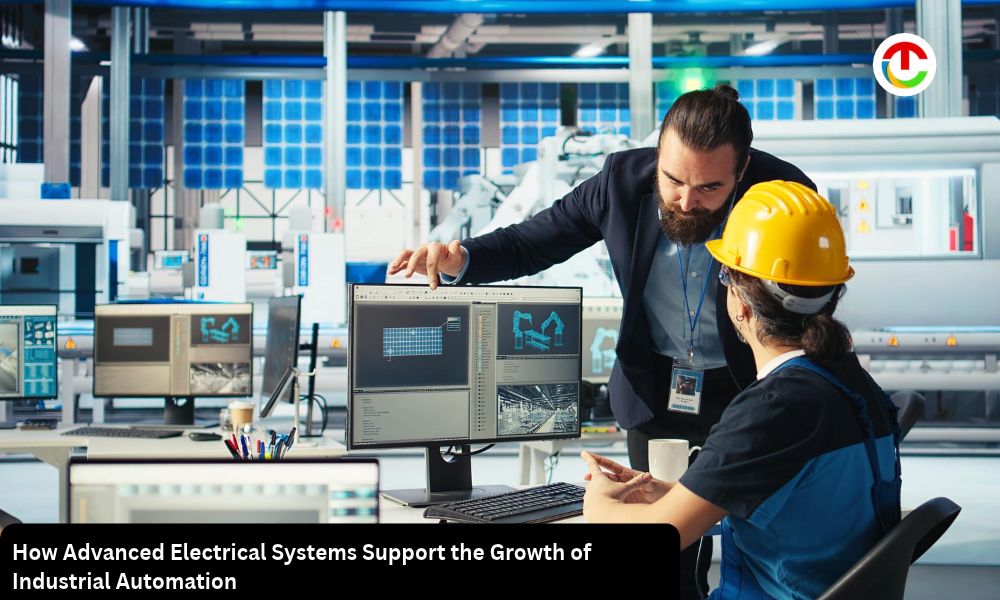
Industrial automation is transforming how businesses manufacture products, manage equipment, and improve production efficiency. Automated assembly lines, robotic machinery, and intelligent monitoring systems allow modern factories to handle complex operations with greater precision and consistency.
However, successful automation requires more than advanced software and sophisticated machinery. Every automated process depends on reliable electrical infrastructure to deliver power, maintain connectivity, and support continuous equipment operation. As manufacturing facilities adopt new technologies, dependable electrical systems are becoming increasingly important for industrial growth.
The Role of Advanced Electrical Systems in Modern Automation
Industrial automation relies on interconnected equipment, including programmable logic controllers (PLCs), sensors, robotic systems, motors, and automated production machinery. These technologies need a dependable electrical supply to operate correctly and communicate with other components.
A well-designed electrical system helps maintain consistent power delivery across different areas of a facility. It also supports the integration of new machinery without unnecessarily disrupting existing operations.
Some important elements include:
- Power distribution systems: Deliver electricity to machinery, control panels, and other equipment.
- Electrical connectors: Establish secure connections between equipment and power sources.
- Control systems: Coordinate automated processes and help machines perform assigned tasks.
- Protective equipment: Helps safeguard electrical installations against faults and other operating risks.
Together, these components create the foundation for reliable automated manufacturing.
How Reliable Power Distribution Improves Production Efficiency?
Automated production lines often operate for extended periods, making consistent power delivery particularly important. An unexpected electrical interruption can stop machinery, delay production schedules, and affect overall productivity.
Properly designed distribution systems help deliver electricity where it is needed while supporting the different power requirements of industrial equipment.
Choosing suitable electrical components also matters. Factors such as voltage ratings, current capacity, environmental conditions, and equipment compatibility should be considered when planning an installation. In particular, appropriately rated power cables and compatible connectors help ensure reliable electricity delivery to industrial equipment.
When power distribution is planned carefully, facilities can reduce avoidable interruptions and maintain more predictable production schedules.
Supporting Advanced Machinery and Robotics
Robotics and automated machinery have become important parts of modern manufacturing. Industrial robots perform tasks such as welding, material handling, packaging, assembly, and quality inspection.
These machines depend on electrical systems to power motors, sensors, controllers, and supporting equipment. Reliable connections are particularly important because equipment movement, vibration, and repeated operation can place additional demands on electrical components.
Industrial facilities should consider:
- Selecting connectors suited to the equipment’s electrical requirements.
- Using components designed for vibration and mechanical stress.
- Protecting electrical connections from moisture, dust, and other environmental factors.
- Organizing power and control connections to simplify inspection and maintenance.
These considerations help create a more dependable operating environment for automated machinery.
Why Electrical Safety Matters in Automated Facilities?
As factories introduce more sophisticated equipment, electrical safety becomes increasingly important. Industrial environments may involve high electrical loads, moving machinery, moisture, heat, and demanding operating conditions.
An electrical fault can damage equipment, interrupt production, and create risks for workers. Therefore, safety should be considered during system design, installation, and ongoing maintenance.
Businesses can strengthen electrical safety through appropriate circuit protection, grounding, correctly rated components, and regular equipment inspections. Weatherproof and industrial-grade connectors may also be necessary in areas exposed to moisture, dust, or harsh operating conditions.
Maintenance teams should follow applicable electrical codes and manufacturer recommendations when inspecting and servicing installations. A proactive approach helps identify potential problems before they develop into more serious failures.
Preparing Electrical Systems for Smart Manufacturing
Smart manufacturing involves connecting machines, sensors, and digital platforms to improve visibility into production activities. These technologies allow businesses to monitor equipment performance, collect operational information, and identify potential inefficiencies.
According to the National Institute of Standards and Technology (NIST), connected manufacturing systems rely on communication and sensing technologies to improve reliability, interoperability, and efficiency.
However, introducing smart manufacturing technology requires an electrical infrastructure capable of supporting additional equipment and evolving operational requirements.
Facilities should consider the following when planning upgrades:
- Scalability: Electrical distribution should accommodate future machinery and increased production capacity.
- Compatibility: New equipment should integrate with existing electrical installations and control systems.
- Monitoring: Suitable monitoring solutions can help identify unusual operating conditions.
- Maintenance accessibility: Organized electrical layouts make inspections and equipment servicing easier.
Planning for these requirements can help businesses adopt new automation technologies without repeatedly redesigning their entire electrical infrastructure.
Reducing Downtime Through Better Electrical Maintenance
Even advanced automation systems require regular maintenance. Electrical connections can deteriorate over time due to vibration, heat, moisture, mechanical stress, and continuous use.
If these issues go unnoticed, they may cause intermittent faults or unexpected equipment shutdowns.
A structured maintenance program should include visual inspections, connection checks, testing of protective devices, and timely replacement of damaged components. Maintenance teams can also use equipment monitoring data to identify unusual operating patterns and investigate potential problems earlier.
Reliable electrical distribution equipment and properly maintained connections help reduce avoidable disruptions while supporting consistent production.
Building a Stronger Foundation Advanced Electrical Systems for Industrial Growth
Industrial automation will continue to influence manufacturing through robotics, connected machinery, intelligent controls, and data-driven operations. Yet, the effectiveness of these technologies depends partly on the infrastructure supporting them.
Reliable electrical distribution, suitable connectors, effective protection, and regular maintenance all contribute to safer and more efficient industrial environments. Businesses that consider these requirements when planning automation investments can build facilities that are better prepared for technological improvements and changing production demands.
Ultimately, advanced electrical systems are not simply supporting components of industrial automation. They are an essential part of the infrastructure that allows modern manufacturing operations to function, expand, and evolve.
Frequently Asked Questions
1. Why are Advanced Electrical Systems important in industrial automation?
They provide the power distribution, connectivity, and protection needed to operate automated machinery and control equipment reliably.
2. How does power distribution affect manufacturing efficiency?
Effective power distribution helps maintain consistent electricity supply, reduces avoidable interruptions, and supports stable production operations.
3. What electrical components are used in automated factories?
Common components include power cables, connectors, distribution panels, circuit breakers, sensors, control panels, and protective devices.
4. How can businesses reduce electrical downtime?
Regular inspections, preventive maintenance, suitable electrical components, and timely repairs can help minimize unexpected interruptions.
5. What should businesses consider when upgrading electrical infrastructure?
They should evaluate equipment compatibility, power requirements, safety standards, scalability, environmental conditions, and future automation needs.
Also Read :- AI, Automation, and Inventory Optimization: How Retailers Are Rethinking Stock Management