Cupid Chan: A Seasoned Professional and Consultant Striving to make the Healthcare System Patient-Oriented

Dreams do come true! Not always when we want them to, not always in the way we would like them to, but they do, if we are consistent in our efforts and focus on realizing them every moment. 

As for Cupid Chan, his dreams lay in the entertainment industry. He even won a singing contest as an undergrad in Vancouver, Canada, and an agent from Hong Kong invited him to join a media group afterward. However, after a 4-hour marathon debate with his parents, who believe the entertainment industry is risky and worthless and that he should focus on what he studied and treat that as his career, he gave up his dream.

Temporarily.

After graduating, Cupid took his first software engineering job in the Greater Washington DC area. To stay competitive, he decided to go for further studies (Master’s) at Johns Hopkins. But his childhood dream still lingered in his mind. Soon he learned he doesn’t have to be in the entertainment industry to be an entertainer. He can combine what he learned from school with what he is passionate about and make it his career – hence he identified himself as Technology Entertainer – he develops technology that is interesting not only for geeks but also intriguing and beneficial to everyone. “I use this principle at my work as an employee, in my keynote as a speaker, in my lecture as a professor (I am appointed as a Senior Fellow at both University of Maryland and Johns Hopkins University), and at my company as an entrepreneur,” shares Cupid.

Since then, he has played different roles at different companies and become a consultant with some Fortune 500 companies as his clients. Because of his data and analytics background, he also played the Head of Big Data and Analytics role in one of those Fortune 500 companies – CSC (now it’s being split, merged, and acquired with HP, SRA, and GDIT) before he joined a company as their CTO. In his most recent venture, he took a leap of faith to start his journey and found Pistevo Decision to use technology to tackle the healthcare industry. 

From Living the Problem to Creating the Solution

Cupid met one of the co-founders, Dr. Ferdinand Hui, at an AI event, where they spoke – he from a technology perspective, and Dr. Hui from a medical perspective. While Dr. Hui was concerned about helping more patients and that the current system was more pro-doctor, Cupid was eager to get a great use case to build on the technology that he knew. Dr. Hui brought on board his colleagues at Johns Hopkins, Dr. Harry Quon and Dr. Phil Phan, and Cupid brought his technology buddy Calvin Chiew to the pool and found Pistevo to build a patient-centric system. But the next question was: “How?”

They tried a couple of things but didn’t feel like that’s what a patient wanted. In the meantime, Cupid was diagnosed with hyperthyroidism and saw himself filling out redundant forms at different places (blood works, X-rays… etc.) with 90% of the content he had already filled in at other locations. It got him thinking, “For a patient-centric system, should I, as a patient, be the owner of my information, and if I want, I can press a button to share that with my doctors? Suppose a hyperthyroidism patient needs to go through that; what about patients with more complicated diseases like cancer?” So, they decided to build a system to help patients collect and share their data if required. 

Next Step: A Solution that Safeguards Data 

Sharing data sounds convenient. However, “data is the new oil,” and there are tons of value locked inside the data if we know how to harvest it. That’s what big companies do with customer data, while we, the data creator or owner, get no financial reward. Moreover, sharing data seems to invade privacy, a big no-no in this era. What can we do to let people harvest the value from the data while holding up data privacy, and even better, the data owner can earn money in the process? Because of his role as the Chair of the BI & AI Committee at Linux Foundation LF AI & Data since 2017, Cupid got chances to talk to industry leaders and learn that Federated Learning may be the solution.

“Even though everyone is talking about AI, traditional AI has at least two issues. (1) It collects data in a centralized location for a machine learning algorithm to run and build the model. But when the data is collected, data privacy is also already breached. (2) “Data is Fire.” Like sharing a fire from my torch with yours, I lose control of how you can use my fire right after that. You can keep passing along without my knowledge, and I cannot even “get it back.” Therefore, unlike tangible objects, the value of the data immediately drops the moment it’s shared because I cannot recoup it,” explains Cupid.

By using Federated Learning, one can turn the whole scenario around. Instead of collecting data in one place, the model is pushed out to where the data is located for training the model. Once done, the little improved model is sent back, without the data, to form the aggregated result. Hence, the data consumers achieve their goal because they have millions of quality data to train their models. Data owners still possess the data without losing privacy. And because data never leaks, data owners can now set a price for people to use their data. 

“Wait, Federated Learning in Healthcare? What about calling it Federated Healthcare?” One Sunday morning, Cupid woke up with this idea. Then he searched online; there was no such thing. So, he registered the domain FederatedHealthcare.com to promote this concept. This will be the Marketplace for the data owner, i.e., the patient, who can share their data as in the old traditional way if they don’t care about privacy. But they will also provide a way for people to share data privately. This will be a place for those who need high-fidelity healthcare data for research or to train their machine learning model. And the result of the model can use the very same platform to identify potential buyers who can benefit from it. This ecosystem will allow them to unlock the value of healthcare data without sacrificing data privacy or losing data value to propel research and improve healthcare as a whole.

The Process of Innovation

Innovation is optimally attained when you know well enough to develop a solid solution but do not know too much so that predefined boundaries do not limit creativity. This is why Pistevo has founders and partners from different areas. Each contributes their expertise from their domain. Once the pain points are shared, others can ask “dumb questions” to inspire a better solution that may not even be considered if you are in the domain for so long. 

“Success is built on top of many dumb questions because each dumb question leads to an incremental improvement heading toward the finish line. Moreover, the answers to those dumb questions are usually simple yet foundational. Without knowing them well is the same as building up a house on a sinking sand foundation,” shares Cupid.

Keeping up with Technology

As technology is dynamic, so should be your response to it, believes Cupid. “I still remember that the waterfall model was the gold software development standard while studying my undergrad. But now, everyone is adopting Agile. We are so spoiled with a quick turnaround. The average time a person will wait for a loading page is 4 seconds. If it’s longer than that, good luck to your site, as the user must most likely switch to something else. Nowadays, people do not have the patience to wait months or years to see the result. So, to make the solution scalable, the first thing is to make your solution “available” whenever the users need it,” he shares.

Unfortunately, users’ needs change over time quickly due to quick environment evolution. Hence keeping delivering value incrementally, hearing the feedback from the users, and incorporating enhancements into the next release is critical to making a solution scalable. The transition involves education and mindset changes. “But “feed your own dog food” by applying this theory to how to help our clients by showing them improvements time after time. Get them involved as part of the team in the process actively. This makes them co-own the product instead of just a bystander watching the game,” he says.

Challenging Time

The toughest time for Cupid was when he first switched from a technical to a managerial role. His inside pride said, “Now, you have a different status. Just hand off work to your team and enjoy being a manager!” Big mistake, in 2 senses. First, attitude: a manager is not the same as a leader. A successful business needs leaders who walk the talk, not a manager who talks the talk. Other people can quickly feel that, and you will soon pay the price as your team runs away because someone just shoveled work down their throats.

Secondly, quality and vision: Everyone has 24 hours every day. As an entrepreneur, you can and should spend more time developing the business, which means you will have less time to involve in technical build-out. How do you ensure the product quality is maintained with the vision you set? “As your team is an “employee,” it’s naïve to think an employee will have the same level of dedication as you, an entrepreneur. It’s not saying that they intentionally do a terrible job. But realistically, the commitment will never be at the same level as yours. Moreover, handing off may lead to a different direction that you, as the entrepreneur, envision,” he explains.

Therefore, before handing it off to your team, you should develop a repeatable process. A process that will guard against the quality of the work automatically, e.g., Continuous Integration and Continuous Delivery (CI/CD) in software development, and have a periodic meetup to ensure the outcome is appropriately aligned with the vision. Once you confirm that the team grasps your idea and builds trust gradually, you can then let go more and more over time. 

“There is no shortcut to building this foundational process. If you don’t do it sooner, you will do it later at a higher price. Handing off too soon without a proper strategy is wasteful of resources. It took a long time to reboot, which was how I overcame this costly mistake,” he shares.

Understanding the AI Wave

Explaining the latest AI rage, Cupid shares that just like Google has provided great search results since 20+ years ago, one still needs to sift through what is appropriate. ChatGPT returns a great language model’s response, but you are the one to judge whether it is accurate. Technology is to assist humans and replace those who totally rely on the result without the knowledge to see what’s right or wrong. 

“I keep hearing this recently: ChatGPT is going to replace many humans at work, and many people will lose their jobs! My response: There was a similar concern when machines were first introduced in the industrial revolution, but the number of jobs per capita has increased since then,” says Cupid.

 “New technology will make some legacy jobs and people who don’t want to change irrelevant. But it will also push society forward, and history has proven that time after time. Like it or not, this AI wave is coming. The question is not “Are you ready” but “How can you get yourself ready and stay relevant”?”

As per Cupid, the immediate challenge for the industry is how quick and agile you are to adopt new technologies. Owing to AI development, changes are exponentially faster than we had ten years ago. While inventing those emerging technologies is significant, businesses should think about leveraging those technologies quickly to complement what they currently have. 

The Path Ahead

Cupid and his team aim to build out the Federated Healthcare platform in the coming years. But they understand nothing can be achieved if they try to boil the ocean. Healthcare is a gigantic ocean with many unknown monsters. So, they plan to achieve this goal step by step. “Do one thing well, secure the ground, and expand from there. Therefore, instead of targeting ALL healthcare data, we must first focus on one,” he says.

Not so long after they started debating what to focus on, Cupid got a message from his dad that his mom got a stroke and was admitted to the hospital. That was when they still were in lockdown mode due to the pandemic. Traveling to Asia required quarantine for two weeks each way. But he knew the hospital took the MRI for his mom, and his dad has the CD. Having a co-founder as a stroke specialist, he immediately asked his dad to upload those results so that he could pass them along to Ferdinand for some advice. 

But too bad it took them a long time, yet they still needed to find a way to share this information. Ferdinand further confirmed that even though a hospital may have a medical image system, no such patient-centric approach allows sharing as the laypeople expected. This was it! Medical Imaging was the first healthcare data they incorporated into their platform, and they released it earlier in 2023 for patients and doctors to try out. “We brand this platform Carealth – to streamline Care and Health for real,” shares Cupid.

“In the meantime, applying the same idea, we won our first NIH SBIR award for incorporating Social Determinants of Health (SDH) data for cancer patients. We finished the Phase I development in 2022 and expect the Phase II award to start in 2023. Based on recent research, addressing this issue helps reduce readmission rates for the healthcare system and save overall healthcare costs. Therefore, in the next few years, we will leverage the Carealth platform to expand into SDH,” he says.

Message to the Budding Entrepreneurs:

Cupid concludes our interaction with the following message for budding entrepreneurs:

“Analysis paralysis is the number one differentiator between a visionary and an entrepreneur. In the NIH SBIR award I mentioned above, we are also accepted to an optional I-Corps program. A critical lesson from this program is reaching out to your users and understanding their needs. Then incorporate the feedback into the product or service, and don’t be afraid to fail. Keep repeating this process to search for the right product-market fit. Just sitting and thinking your solution is the best one leads you nowhere. Taking action, listening, and improving is the positive cycle an entrepreneur needs to follow. By practicing this, we won the “Best in Show” Award in the I-Corps program!”

Quote: “Great Idea – Action = Failure; Listen humbly + Improve continuously = Success eventually” 

Commercial Bank of Ceylon: Providing Reliable and Technologically Advanced Financial Services

Commercial Bank of Ceylon (CBC), Sri Lanka has been in the business of Banking for over 100 years now and has a legacy-driven trust imprinted with the brand name. What they do is objectively carry out financial intermediation for both local and international clients. They are catering to customers from all walks of life through various products and services. They offer a comprehensive range of financial services that cater to the diverse needs of their customers.

CBC’s aim is to stay ahead of the curve in an ever-changing financial landscape. They are dedicated to maintaining a strong financial foundation that supports both short-term profitability and long-term sustainability. Their aim is to grow responsibly, balancing the interests of the stakeholders, communities, and the environment.

A Diligent Leader

Mr. Najith Meewanage’s career with Commercial Bank of Ceylon PLC (CBC) started over 30 years ago, where he started his journey as an entry-level employee in retail banking while securing banking studies and ended up pursuing an MBA at the University of Greenwich in London specializing in Finance.

As he progressed in his career Mr. Meewanage was given more opportunities to take on bigger challenges and responsibilities. This eventually led him to the role of CEO of the Bangladesh Operation in June 2021, where he was responsible for overseeing the entire business. During his professional life, he worked in different senior positions such as Head of Operations in the Head Office, Chief Operating Officer in Bangladesh Operations, Head of Operational Risk, etc. prior to taking up the duties as the Chief Executive Officer of Bangladesh Operations of CBC.

Every business in the market effectively drives on technology and digitalization is driving the future banking business. Under his leadership, Mr. Meewanage started transforming the CBC-Bangladesh Banking business and with it the client journey allowing banks to spot behaviour patterns and solve client problems at a fraction of the current speed in a very cost-efficient manner. CBC- Bangladesh recorded 78 pct profit growth in the year 2022 with all the turbulences generated elsewhere in the world triggering financial uncertainty.

As CEO, Mr. Meewanage is proud to lead a team of dedicated professionals who are passionate about delivering exceptional customer service and value to the stakeholders. During this tenure as CEO, the total number of accounts of Foreign Missions increased to 39 out of 52 operating in the country so far which is indeed a great honor for the Bank.

“Unique products and services, superior service quality, and efficient and customized solutions to the requirements of corporate and personal banking customers are hallmarks of the successful stride of CBC in Bangladesh,” he says.

Leveraging Technology

Commercial Bank of Ceylon PLC – Bangladesh is powered by state-of-the-art technology from its inception. It started its operation in Bangladesh with full-fledged online banking. CBC Bangladesh’s IT is ISO 27001 certified which ensures international standards for information security.

“We are continuously thriving and have introduced a number of innovative digital banking solutions for the ease of the clients which many of our peer banks are yet to launch. To name a few, I can talk about CBC Digital which is an online Corporate Banking solution. Contactless credit card, e-passbook which is a direct replacement of physical passbook which is the only type of service in the market, etc. We are also a Bangladesh Investment & Development Authority -listed Bank as a one-stop service point to assist the Foreign Investors in Bangladesh,” shares Mr. Meewanage.

Innovation in Banking

A financial institution always works in a dynamic environment. Naturally, a dynamic environment always demands going through a continuous innovation process.  The main aim of innovative services is to simplify existing customer processes to enhance ease and speed. CBC always encourages innovative ideas in order to improve its service standards. As an accolade, CBC Bangladesh was adjudged as the Most Innovative Foreign Baking Brand – Bangladesh by Global Brands – UK. It may be mentioned here that CBC Bangladesh is the first Bank in the country to introduce a School Banking/ Teen saver account named Dot Com.

“We are very much concentrated on digitalization and currently have quite a number of innovative products and services suited for any type of customers namely, Corporations, SMEs, and individuals,” says Mr. Meewanage.

Challenges within the Industry

Mr. Meewanage feels that the effectiveness of the Banking sector’s ability to deliver staying in this role always determines the solid wealth generation capability of the economy in the long run. The Banking sector’s wider financial inclusion can benefit the middle class and poor by promoting overall economic participation. The real growth, which in turn leads to improved income levels overall in the society thus reducing the risk of financial crises, whose adjustment costs are most felt by the poor.

“One key highlight is that the gross domestic savings rate in Bangladesh is low, especially compared to the neighbouring countries. For the purposes of stimulating economic growth, the country requires a gross domestic saving level above 30 pct. The low level of saving is associated with a high consumption pattern along with a low level of disposable income and a low level of financial intermediation. Therefore, a resource gap exists in Bangladesh, although it is slowly decreasing. My above observations underline the need to accelerate domestic resource mobilization efforts and to improve the investment environment,” shares Mr. Meewanage.

In terms of foreign resources mobilization, peculiarly to foreign investors, he believes that the Banking sector must be geared to gain the confidence of investors, establish and develop a network of financial intermediaries, and produce a wide range of diversified saving and financing instruments that meet market needs.

The end of each business cycle has highlighted flaws in the banking system around the world and the established framework, leading to excessive lending and risk-taking in the absence of sufficient capital and liquidity buffers.

To address the above issues and produce value for all stakeholders in the short, medium, and long terms, the CBC has a comprehensive grasp of sustainability. By making sure that CBC’s total performance is reinforced going forward in accordance with the strategic imperatives of prudent expansion, client centricity, innovative leadership, and operational excellence with the appropriate expertise while paying close attention to the effects on society and the environment.

Encouraging Diversity and Inclusion

At CBC, fostering diversity and inclusion is a top priority and a fundamental aspect of the organizational culture. The firm believes that a diverse and inclusive workplace not only enriches the team but also enhances the organization’s ability to serve its customers effectively. To promote these values, the leadership has implemented a multi-faceted approach: Inclusive identifying Fast-Tracking Staff, Diversity Training, Flexible Policies to ensure proper work-life balances, performance evaluation in the most prudent ways, transparent reporting, etc.

“More importantly my door is always open for everyone for open discussions. Overall, our goal is to cultivate a workplace where everyone feels valued, respected, and empowered to contribute their unique perspectives. We recognize that diversity and inclusion are ongoing journeys, and we are dedicated to making continuous strides towards a more inclusive future,” shares Mr. Meewanage.

Meeting the Sustainability Goals

Ensuring a sustainable future is not only a global imperative but also a core commitment for CBC. The core team recognizes their responsibility to contribute positively to the well-being of the planet and society. CBC’s approach to sustainability is comprehensive and integrated into its business operations, reflecting its dedication to making a meaningful impact. The bank is deeply committed to playing a pivotal role in achieving global sustainability goals. By integrating sustainability into its operations, engaging stakeholders, and championing responsible practices, it aims to contribute to a better, more sustainable future for generations to come.

As recognition, The Commercial Bank of Ceylon PLC (CBC) has won the International Business Magazine Awards 2021, with the honour of “Most Sustainable Bank in Bangladesh” from 2021 onwards.

“Most Sustainable Bank in Bangladesh”, reiterated CBC’s commitment to its ongoing sustainability agenda, further acknowledging the bank’s excellence in creating environmental, social, and governance across its operations, and ensuring economic efficiency, prosperity, and contributions towards its various stakeholders.

Distinguished Recognitions

CBC- Bangladesh Operations has reached the rare height of achieving “AAA” Credit Rating for 13 (thirteen) consecutive years during this year in addition to winning several awards & accolades such as Best Foreign Bank in Bangladesh, Most Sustainable Bank in Bangladesh, Most Recommended Foreign Bank in Bangladesh, Best Corporate Bank Bangladesh, Most Innovative Foreign Baking Brand – Bangladesh, Bangladesh International Trade Finance Bank of the Year, Top Fastest Growing Companies to Watch 2023, The best performance on Growth, The best performance on Profitability, Best Performance on Risk Management and Best Asset Quality from Indian Chamber of Commerce and world-renowned financial magazines based in financial hubs of UK, USA, UAE, and Singapore.

At the same time, Mr. Meewanage was nominated as one of the Top 10 Best Business Leaders in Bangladesh in 2022 and also as one of the 10 Most Prominent Business Leaders to Watch as well as one of the Business Icons of Bangladesh in 2023 by well-reputed business magazines.

Future Insights

The future is always with many challenges. However, Mr. Meewanage is confident of his team’s ability to make astute judgments on the organization’s direction and road ahead.  “At CBC, we have embraced the ideology of customer centricity to deliver enhanced services to all our valued clients. We do not operate the Bank worrying about the stock price in the short run rather considers the longer horizon,” he says.

CBC carries the trust that progress is a function of continual investments in employees, systems, and services, both in good and bad times to build their capabilities. They have consistently apprised their international and local stakeholders. The basic principles and strategies they use to build this Bank from maintaining a fortress balance sheet, constantly investing and nurturing talent to fully satisfying regulators, continually improving risk, governance, and controls, and most importantly serving the clients. “The Bank has plans to offer an array of digital products and venture into several new areas to support the economy. We want to see ourselves to be one of the strongest regional Banks through aiding the country’s growth catering to the clients by forming rewarding partnerships. And we are marching towards that,” concludes Mr. Meewanage.

Quote 1: “Our commitment to innovation, customer-centricity, and leveraging technology sets us apart in the market.”

Quote 2: “Our aim is to stay ahead of the curve in an ever-changing financial landscape.”

Quote 3: “Our mission is to deliver optimum value to Customers, Employees, Shareholders & the Nation while ensuring good Corporate Governance.”

Quote 4: “Our vision is to be the Bank of Excellence in Service and Commitments.”

Christina Frank: Pioneering Economic Growth and Inclusivity 

Currently serving as the Vice President of External Affairs at Cornerstone Alliance, Christina Frank is a visionary leader in the field of economic development, with a steadfast commitment to fostering community growth and enhancing quality of life, Christina has been instrumental in implementing comprehensive communications and public relations initiatives that elevate the organization’s profile and strategically position the community for economic advancement.

Her educational background in economic development and non-profit management, combined with her professional affiliations with the International Economic Development Council, underscores her expertise in the sector. Christina’s distinction as a Certified Economic Developer (CEcD) places her among an elite group of professionals, being one of only 17 women in Michigan to actively hold this prestigious designation.

Keeping Society at the Heart

Christina’s background is actually in social work. She began her executive level chapter of her career working for Big Brothers Big Sisters when she took over an Executive Director position just six months shy of her 30th birthday. She was with that organization for several years, before joining Cornerstone Alliance in the fall of 2016. 

Recognized as a Top 50 North American Economic Developer for 2022, Christina’s innovative approach and dedication to inclusive growth have earned her nominations from peers and industry consultants alike. Christina’s philosophy is rooted in the belief that economic development should be inclusive, fostering diversity in thought and creativity in strategy execution. Her efforts are not only geared towards attracting businesses and talent but also ensuring that every community member feels a sense of belonging and contributes to the collective prosperity.

Outside of her professional endeavors, Christina is passionate about creating innovative programs that advance local residents’ careers and positively impact their lives. Her leadership extends beyond economic strategies to encompass a vision where Southwest Michigan is celebrated for its robust economy, scenic beauty, and welcoming community.

The Company

Cornerstone Alliance is the leading non-profit economic development organization dedicated to the growth and prosperity of Michigan’s Great Southwest. It focuses on increasing employment opportunities, private sector capital investments, and the local tax base, particularly in economically distressed areas. The organization is known for its investor-governed structure and its commitment to delivering customer-focused economic development solutions through strategic partnerships.

Their services are multifaceted, including assistance with business expansion initiatives, programs to help retain businesses, and support for issues that enhance the area’s economic competitiveness. Through strategic initiatives and collaborative partnerships, Cornerstone Alliance drives innovation and opportunity, positioning the region for sustainable economic success. As the leading advocate for the local business and development sector, Cornerstone Alliance delivers tailored business assistance across Berrien County, Michigan.

In 2022, Cornerstone Alliance reported impressive key results, with 19 new business starts and a capital investment of $54.3 million. The organization’s success is a collective effort, supported by many who share a common goal of strengthening the community’s economic foundation. With a strong history and reputation, Cornerstone Alliance continues to open doors to opportunities for growth and expansion in Michigan’s Great Southwest, benefiting not just the businesses but also the residents who live and raise their families in this welcoming community.

Gaining from Challenges

Christina’s working style can be summed up as collaborative and innovative. She believes in fostering an environment where ideas are freely exchanged, and teamwork is emphasized. She thrives on open communication and encourages her team members to voice their opinions and contribute their unique perspectives.

The biggest challenge she faced in her career was pretty early on when transitioning from a technical role to a leadership position. Moving from executing tasks to guiding and managing teams was a significant shift that required a whole new set of skills and mindset.

One of the most important lessons that Christina learned from this experience was the importance of empathy and emotional intelligence in leadership. Understanding the needs and motivations of her team members allowed her to better support and empower them to achieve their goals. She also learned the value of delegation and trust, realizing that she didn’t need to do everything herself and that it was okay to rely on others to deliver results.

Empowering People

Christina is the architect behind the FLEX (Female Leadership Excellence) initiative, a panel discussion series led by influential women executives aimed at accelerating career and personal development for women in business. In both her personal and professional life, she is a champion for lifting others and believes strongly that everyone’s voice should be heard. 

“So often, we only look as far as someone’s title, or accolades, but we miss the lessons and the connections by doing so. To truly know someone and to be inspired by them, you must know their story – their struggles, and their successes. We are surrounded by people who have achieved incredible successes, but not without struggle and sacrifice. The more we share our stories, the more connected we become. Relationships, human connection, and being seen and heard…. are powerful things that create motivation and drive. There is an unstoppable-ness that occurs when someone sees themselves in someone who has achieved great success,” she says.

FLEX serves as a catalyst for career advancement and leadership excellence among women in business by offering a supportive community, valuable resources, skill development opportunities, and advocacy for gender equality. By harnessing these resources and support systems, women can accelerate their career trajectories and make significant contributions as leaders in their respective fields.

Growing with the Latest Trends

The growing use of automation across all industries is a significant trend that’s reshaping how businesses operate. Automation involves the use of technology to perform tasks or processes with minimal human intervention. It encompasses a wide range of technologies, including robotics, artificial intelligence, machine learning, and software automation.

Overall, the growing use of automation across industries represents a fundamental shift in how work is done. By leveraging technology to automate tasks and processes, businesses can achieve greater efficiency, agility, and competitiveness in the modern marketplace. Cornerstone Alliance, like many economic development organizations, is increasingly leveraging the power of technology to enhance its effectiveness and efficiency in several ways:

  1. Data Analysis and Visualization: Technology enables economic development organizations to collect, analyze, and visualize vast amounts of data related to demographics, labor markets, industry trends, and economic indicators. By harnessing advanced analytics tools and techniques, these organizations can gain valuable insights into local economies, identify growth opportunities, and make data-driven decisions to attract investment and foster economic development.
  2. Digital Marketing and Outreach: Economic development organizations utilize digital marketing strategies and online platforms to promote their regions, attract businesses, and engage with stakeholders. From social media campaigns to targeted email marketing, technology enables these organizations to reach a broader audience and showcase the unique advantages of their communities to potential investors, businesses, and entrepreneurs.
  3. Business Intelligence and CRM Systems: Economic development organizations leverage business intelligence (BI) and customer relationship management (CRM) systems to manage relationships with stakeholders, track leads and opportunities, and measure the impact of their economic development efforts. These systems enable organizations to streamline processes, improve collaboration, and provide personalized support to businesses seeking to relocate or expand within their regions.
  4. Virtual Site Selection and Tours: With the rise of virtual reality (VR) and augmented reality (AR) technologies, economic development organizations can offer virtual site selection tours and immersive experiences to prospective investors and site selectors. These virtual tours allow stakeholders to explore available properties, infrastructure, and amenities remotely, saving time and resources while still providing valuable insights into potential locations.

Fostering Inclusivity

As a Certified Economic Developer, Christina believes that an inclusive and welcoming community is crucial for attracting businesses, workers, and residents. Strategies that she thinks are important to fostering an inclusive and welcoming community include things like Affordable Housing Initiatives; Quality of Life Enhancements; and Small Business Support. Along with other things like Promoting Culture and Arts, Community Engagement, and Diversity and Inclusion Initiatives. 

For her team, Christina’s expectation is a culture of respect and acceptance where diverse perspectives are not only welcomed but encouraged. This involves fostering open communication channels where team members feel comfortable sharing their experiences and ideas, as well as actively listening to and valuing their input.

“Overall, my approach to supporting diversity and inclusion at the workplace is rooted in empathy, accountability, and continuous learning. By fostering an environment where everyone feels valued and empowered to succeed, we can drive innovation, and creativity, and ultimately, achieve greater success as a team,” says Christina.

Maintaining Meaningful Communication

On one hand, social media provides unparalleled opportunities for instant communication and engagement with stakeholders, including clients, employees, and the public. However, it also comes with the risk of misinformation spreading rapidly, potentially damaging the organization’s reputation or causing confusion among stakeholders.

To navigate these challenges, Christina believes that it’s essential for organizations to prioritize transparency, accuracy, and responsiveness in their communication strategies. This involves establishing clear communication protocols and guidelines for the teams to follow, emphasizing the importance of fact-checking and verifying information before sharing it publicly.

Measuring Her Success and Designs for the Future

Christina measures her success by answering a few simple questions about herself – First, she asks herself if she has made a positive impact. Second, has she brought someone else along, either by inspiring, supporting them, or making a direct difference in their life? Finally, she asks herself – will this make her son proud? If her answers to those questions are all yes, then she has succeeded. 

“My future plans are BIG, I am pursuing my Juris Doctor and start law school this fall. At 42 years old, with a successful career, I want to do more! I plan to get my law degree and pair it with my CEcD professional certification in the near future, then one day transition my focus to advocacy and policy change. My ultimate goal is to help those who otherwise would not have a voice in the hard-to-navigate legal system. Then, I’d like to retire in Italy and run a bed and breakfast,” concludes Christina.

A Quote to Live By:

“Anyone who knows me knows my all-time favorite saying: “Little Hinges Swing Big Doors”. For me it represents two things: 1. Attention to detail is critical, if not the most important aspect of success. 2. You don’t have to have a fancy title or be the most important person in the room to be capable of doing incredible things.”

Quote“Cornerstone Alliance plays a pivotal role in driving efforts to attract new investment and new companies to the region, contributing significantly to the economic vibrancy of the area.”

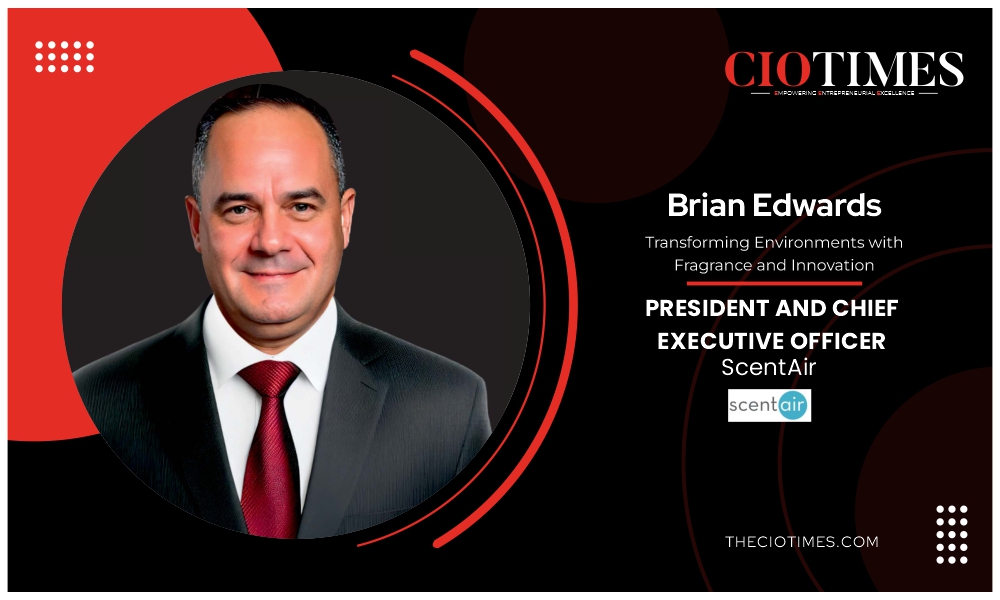
Brian Edwards: Transforming Environments with Fragrance and Innovation

Our senses don’t just process our surroundings—they create memories out of the experience. So, even when we are not consciously evoking a memory, they can be triggered because our senses have recorded and buried them deep down our memory lane. Yes, on a busy street, walking by a home when you catch that waft of freshly baked cookies, it can send you to your childhood in a matter of seconds. Or a perfume a passer-by wore can remind you of someone else. The sense of smell affects cognition, and this link between olfaction and cognition may be critical for coordinating cognitive networks. The sense of smell is closely linked to the brain’s anatomy, which regulates memory, emotion, and attention. This association can be established not just with people, but also with places, objects, and even brands.

A Sensory Exhilarating Idea

In 1994, a Disney Imagineer embarked on an intriguing challenge: adding scents to popular attractions. This simple idea sparked the birth of ScentAir, a company dedicated to turning ordinary moments into magical memories through fragrance. By the year 2000, ScentAir had already become a trailblazer, helping brands create cutting-edge, scented experiences that delivered impressive return on investment (ROI).

Fast forward to today, and ScentAir stands as the global leader in air purification and experiential fragrances for both business and home. With offices across four continents and a diverse team of over 500 employees, ScentAir enhances environments in 119 countries. Their patented diffusers and professional-quality fragrances deliver more than five billion scent impressions annually, captivating customers and reinforcing brand values.

But the journey doesn’t end there. In 2019, ScentAir expanded its product range to include consumer-focused offerings, bringing the magic of professional-quality fragrances and advanced technology into homes. Whether enhancing commercial spaces or transforming everyday rooms, ScentAir remains committed to innovation. More than 50,000 brands worldwide rely on ScentAir to enhance commercial environments, reinforce brand values, and create memorable experiences. Additionally, its eCommerce home division transforms ordinary spaces with mood-enhancing fragrances, pet-calming scents, and odor-neutralizing products.

CEO Brian Edwards emphasizes that ScentAir’s growth isn’t just about market share. “Future growth is not just about expanding our market share, but about continually innovating and investing in our people. By fostering a culture of adaptability and resilience, we ensure that our company remains not only competitive but also a leader in our industry.”

A Visionary Leader

Brian Edwards, the visionary CEO of ScentAir, has been instrumental in transforming the way we experience scents. He began his professional career in sales at a Fortune 500 office technology company, progressing through various sales leadership roles and becoming an IKON Office Solutions $100 million company President at age 32. Brian relocated several times throughout the US as the company transformed from 400+ independent dealer acquisitions into a $5B operating company during his 28-year career. Brian ultimately served as SVP of Sales, Marketing & Services, leading 18,000 NA-based employees. IKON was eventually sold to Ricoh Ltd, and Brian entered the Private Equity arena in 2014. He has served as CRO and CEO at ScentAir since 2017. For over 35 years, Brian has been leading, guiding, and driving high-performance teams that drive shareholder value and delight customers. It’s simply what Brian loves to do.

Under his leadership, ScentAir has become the global leader in innovative scent solutions for both commercial and home use. With an unwavering commitment to innovation and customer satisfaction, Brian ensures that ScentAir continues to captivate audiences, reinforce brand values, and create memorable experiences through fragrance.

Safely and Sustainably Scented

ScentAir is committed to safety, adhering to and surpassing the International Fragrance Association’s (IFRA) Code of Practice and additional global health and safety regulatory criteria. All fragrances are EPA-registered. To ensure fragrance safety, ScentAir requires suppliers to meet regulatory and safety standards on EVERY fragrance offered, and all are scientifically confirmed through up to seven safety certification processes. “We have been in good standing with IFRA for longer than any other commercial scent company. We also meet, and in many cases surpass, a variety of additional global health and safety regulatory criteria. Our scents do not contain any respiratory allergens or phthalates,” shares Brian.

ScentAir’s innovative shipping practices have reduced shipments by more than 1.2 million annually. Its fragrance cartridges are made from 100% post-consumer recycled plastic and recyclable after use. The Sustainable Fragrances line exclusively utilizes essential oils and sustainably sourced, naturally derived, and upcycled ingredients.

After being named The Best and Brightest Companies to Work for in Charlotte in 2023, ScentAir received national honors in 2024. Companies are assessed on compensation, benefits, and employee solutions; creative wellness and well-being solutions; employee enrichment, engagement, and retention; employee education and development; recruitment and selection; employee achievement and recognition; communication and shared vision; diversity, equity, and inclusion; work-life balance; community initiatives and corporate responsibility; and leadership, strategy, and company performance.

Steering ScentAir Towards Success

Brian has gained a reputation as a respected, dynamic leader who leads with great energy, high integrity, and a proven ability to establish and inspire top-caliber management teams that generate exceptional results. Brian’s leadership style can best be described as passionately engaged at all levels of the company. Expectations and key performance metrics are clearly understood, and accountability, achievement, and collaboration are woven into the DNA of the company culture.

Every month, Brian leads a two-day operating review process with all the key global leaders to review performance, opportunities & challenges, and stay close to the heartbeat of the business. Brian is also very committed to building a diverse and inclusive leadership team, as exemplified by the fact that 48% of ScentAir’s global management team are women, and his belief that diverse and inclusive teams produce better results.

Brian’s key leadership principles that have been instrumental in the success include:

  • Talented people are the greatest assets in any company, and having the right people on the team is paramount to driving superior results.
  • Strong communication of the company’s vision, mission, strategy, roles, and expectations is fundamental to execution.
  • The leadership team must lead with high energy, accountability, and engagement in daily work.
  • Establishing a culture of equity, fairness, diversity, and inclusiveness creates an ecosystem where high achievement is not only possible but highly probable.
  • Warm candor is a powerful leadership tool and is usually a learned skill.

Growing in Sensory Marketing

Since its inception in 1994, ScentAir has achieved more than 20% CAGR growth. ScentAir is now focusing on global expansion in the 19 nations it presently serves as well as accelerating international sales in 100 other countries. ScentAir’s turnkey business solutions are available on a monthly subscription basis, requiring no upfront capital investment. It covers everything from installation through on-site service to scent modifications. The company is committed to investing in accelerated growth, and as the market leader, it will continue to promote technological innovation, safety, and world-class client support and services.

ScentAir is expanding globally to fortify its position at the top of the industry. It intends to double in size over the next five years, principally through expanded sales channels and sustained adoption of its outstanding scenting services and indoor air quality solutions. Brian and his team have a clear objective: to make ScentAir a household brand name by enriching surroundings, brands, and experiences through improved indoor air quality and the power of scent.

Sensory Branding

Various case studies and research have yielded data findings when comparing scented vs. unscented spaces in retail stores, casinos, eating establishments, and shopping malls. Key findings include:

– 20% increase in customer satisfaction

– 18% more time spent in the store

– 23% more money spent by women

– 60% higher purchase intent

– 22% more products purchased

– 11% increase in casino machine sales

– 11% increase in cleanliness satisfaction scores

– 8% increase in food quality scores

Scent marketing in the hospitality industry involves strategically using scents to evoke deep emotional responses, enhance ambiance, and reinforce a hotel’s brand identity. By thoughtfully incorporating carefully selected fragrances throughout the property, hotels create captivating environments that leave lasting impressions on guests. Scent marketing transforms a hotel stay into an unforgettable experience, leaving guests wanting to return again and again.

Scent marketing serves as a potent tool for property managers to distinguish their community by crafting an inviting atmosphere. While creating a warm and welcoming environment can be challenging, integrating fragrance throughout the community ensures that everyone feels at home. By providing exceptional experiences to residents and prospects, the community stands out.

In the retail sector, scent marketing aims to create an emotional connection with customers, enhancing the overall shopping experience. By strategically incorporating pleasant scents into the retail environment, businesses can leave a lasting impression on their customers. In the 21st century, retail has evolved beyond mere product details and service satisfaction. Customers now crave emotional experiences, and emotionally connected customers are 52% more valuable to a brand than those who are merely satisfied. To meet this demand, retailers should focus on providing emotional value by creating memorable experiences that inspire bonds and leave lasting impressions.

“At ScentAir, we provide fragrance and air purification that will make your commercial space refreshing and sophisticated, fixing the often-overlooked part of the customer experience,” concludes Brian.

Quote: “Work hard, play hard, and take time to smell the roses. Most importantly, be where you are.”

Quote: “Every people-centric business needs to connect with customers. We make building those connections easy.”

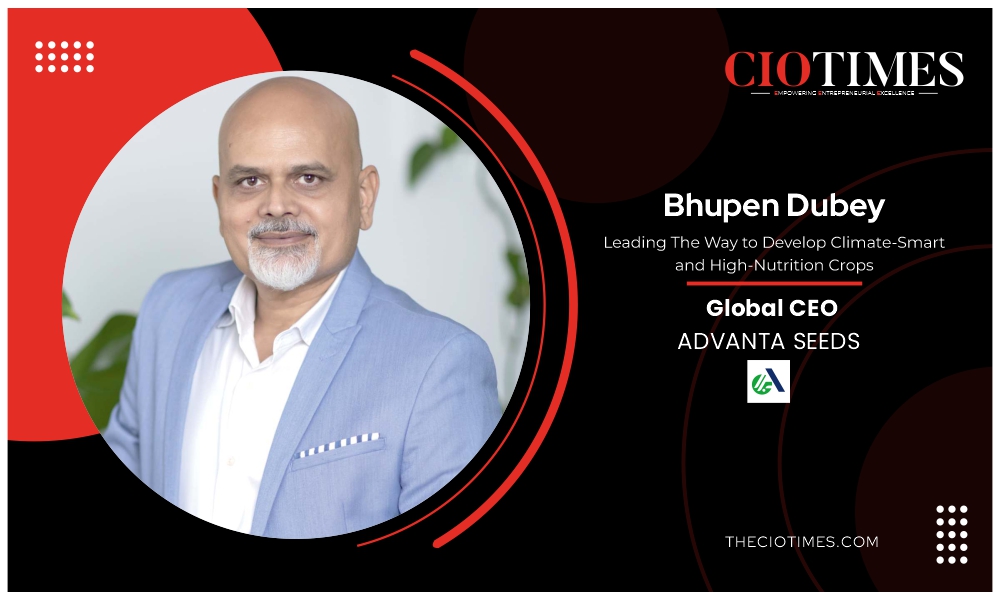
Bhupen Dubey: Leading The Way to Develop Climate-Smart and High-Nutrition Crops

Farmers form the base of a society and a country’s development, for no country can see the dream of development on an empty stomach. However, the hands that feed others are in deep trouble today. The farmers face multiple issues that range from global warming to poor-quality seeds and shrinking farmlands. Not to forget the eminent food crisis looming in 2050 due to population. 

Many say that the solution is with the adoption of agriculture technology or AgTech. However, the speed of adoption of technology varies in different parts of the world based on socioeconomics. While some countries and farmers are open to change, many are still skeptical. Meanwhile, companies continue to invest in technology and research to deliver innovative solutions. Among them, Advanta Seeds has emerged as one of the world’s leading seeds companies at the forefront of developing germplasms tailored to answer the need for climate-smart and high-nutrition crops.

For a Fertile Future               

Advanta Seeds is one of the few worldwide seed businesses that offer a diverse field crop and vegetable portfolio. Advanta focuses on innovation, value addition through natural solutions, and disease, pest, and herbicide resistance along with drought and salinity tolerance while focusing on bringing localized need-specific germplasm. By creating seeds that make crops climate-smart, salinity-tolerant, and drought-resilient, they are weatherproofing farm yields and the livehood of farmers, especially in tropical and subtropical regions.

Advanta Seeds has sixteen field crops, although most seed businesses focus on two. It has marketed over fifty crops throughout the world. The strength of Advanta is in the versatility offered to growers in many geographies. It allows to meet farmers’ needs and deliver good genetics in many crops. For farmers, crop rotation is an important practice and reduces the reliance on one crop to be productive. Advanta Seeds has a solid business strategy that allows the company to develop quickly in various regions, which is a benefit of a well-diversified and geographically large portfolio.

The company’s research and development breeding stations are strategically placed in different geographies to supply a diverse range of genetics and evaluate them for various soil and climatic conditions. “We constantly work to introduce enhanced seed varieties. We developed enhanced germplasm and our own proprietary technology in various crops. We have a few unique technologies in high oleic sunflower, sub-tropical and tropical corn, canola, forage, and grain sorghum. Driven by innovation, developing improved crops and new technologies are a high priority for Advanta Seeds,” says Bhupen Dubey, Global CEO at Advanta Seeds.

Technology for Agriculture

Bhupen believes that modern technology can enhance sustainable agriculture which is the way forward. It starts with quality seeds and good farming practices to produce high-yielding crops.

The three factors that are becoming a guiding concept for the innovation and use of modern technology are food and nutrition security while overcoming the challenges of climate change. Advanta Seeds invests in climate-smart crops such as sorghum, sunflower and canola which are high in nutrition and low in use of resources. They also invest in innovative technologies including precision agriculture, drone technology, artificial intelligence, and data-driven farming.

“I strongly believe the key to the future is innovation and the appropriate use of science and technology to meet the growing food demand,” says Bhupen.

Advanta’s strength in new technologies is achieved through open collaboration with local farmers and international research institutes such as the International Maize and Wheat Improvement Center (CIMMYT), HarvestPlus, or the World Vegetable Center. Its partners are essential to its success. 

“Our role is to provide the best technology to farmers however the adaptation depends on the market. I classify the global agriculture market into two parts, one where agriculture is very strongly linked with the market forces and the second is where agriculture is not connected to the market. In the first case, the technology adaptation happens very fast where farmers can see very quickly the benefits of the new technology such as improved productivity and they see that the investment pays off. On the other hand, there are countries where agriculture is not linked to the market forces so strongly or directly the uncertainties are very high and the adaptation of new technologies is very slow. These are the areas where the cost-benefit risk analysis doesn’t justify adoption of the new technology. As the seed technology provider, we educate farmers about the value of new technology and its benefits to improve the adaptation rate,” shares Bhupen.

A Focused Leader

Bhupen did both his Bachelor’s and Master’s in Agriculture and joined a German company in the R&D department early in his career. After a few years, he moved to the product management department and also completed his diploma in marketing management. Working for a global company like Advanta Seeds gave him a holistic experience of the industry and its operations with great cross-functional exposure. At this company, he has been able to lead and manage multiple business areas in different geographical locations, which helped him understand even the most subtle changes at the same time the biggest challenges in the industry.

Leading a global organization like Advanta requires a specific skill set and understanding of the market to make the right business decisions at the right time. Bhupen believes that teamwork and collaboration are crucial to becoming a successful leader on the global stage. “Working together with your team, sharing ideas, and letting your team be a part of decision-making allows you to make better business decisions. The successful leader, while making decisions, always keeps the future and sustainable growth of the organization in focus,” he says.

As a leader and a professional, Bhupen encountered many challenges in his career, but to point out one particularly tough one, would be the challenge of being able to learn and evolve. “I’m a scientist with a technical mindset. I was good in science and academics. Early in my career, I started to wonder how I could make an impact and I realized that it’s important to have exposure to the commercial aspect of the business, and transitioning from a scientist to a business mindset was the biggest challenge for me. I decided to get out of my comfort zone and learn the new skill set that I was lacking. I was lucky to have a supportive boss who gave me the opportunity to improve my commercial skills hence quickly learning and becoming a commercial leader with a technical background. Overcoming the challenge of one mindset made me successful and where I am today in my career,” he states.

Seeking Continuous Growth for the Company and AgTech

Advanta keeps an open network and collaborates with various stakeholders to keep abreast with the latest developments, new technology, new trends, government policies, and regulations. They believe in open collaboration and innovation to secure a pathway for continuous growth.

“We see major challenges for agriculture in climate change. We hope to identify more opportunities to address the challenges with sustainable solutions. We believe in OpenAg® and challenging the world’s food systems – opening up new partnerships, new markets, and new technologies to transform agriculture and create sustainable growth for all,” concludes Bhupen.

Quote: “Our groundbreaking technologies ensure we deliver great results in all growing conditions.”

Quote: “We are raising the genetic potential of crops throughout their growth cycle with our patented technologies.” 

Quote: “As we make agriculture climate-resilient, we directly impact the prosperity of our farmers.”

Quote: “Sustainable agriculture has a positive impact not only on our planet but also on the people, and prosperity for all.”

Cindy L Warner: A Change Agent with Extensive Vision and Driving Passion

Data and data privacy issues have been rocking the world ever since data was dubbed as the new oil. No wonder, the usage and more so the misuse of data can have drastic and dramatic results. In August of 2022, the regulatory environment had assessed Meta over $1B in fines in the UK alone for data privacy concerns. 9 states in the US developed stringent consumer data privacy laws, with 9 more states processing similar laws and the end consumer, needless to say, is fed up with the constant violation of use of their personal data. 

However, with every challenge comes an opportunity, and this one set the stage for the relaunch of 360ofme. It is not often that you get the chance for a “do-over” in the tech start-up world, but Cindy L Warner and her team knew they were significantly early in 2016, with a solid concept, just without the burning platform at the time. Today the swirling regulatory environment that is not very focused on the enforcement of some very rigorous laws, with more to come, and the lack of trust consumers have in any company requesting to store or use their data without their consent, has led to the perfect storm of opportunity for 360ofme 2.0.

Tracing the Foundation

Originally launched in 2016, team 360ofme 1.0 had several challenges staring at them. The GDPR had just passed in EMEA, and the US was not even contemplating regulating the misuse of consumer data by companies. Organizations still believed that consumer data could be used without consent and monetized as an asset on behalf of the company. In addition, the most valuable dataset, healthcare, was a completely non-standard data format, with every EHR/EMR storing data in unique formats that were not interoperable. Lastly, in 2016, the consumer was not yet incensed by the ramifications associated with their data being used without their consent. As a result of the above challenges, Cindy decided to discontinue any further developments on 360ofme 1.0 at the end of 2018. 

Today, 360ofme 2.0 affords greater data standards within the healthcare industry, making it much easier to use off-the-shelf API for ingestion. In addition, microservices and open innovation now provide the ability for them to assemble a platform using the best technologies, with the least amount of code, and in many cases, no code assembly of services to create the processes they desire to curate, protect, analyze, monetize and exchange a consumer’s data on their terms. 

Building on Technology

Innovation and technology, and staying on top of what is next and what can enhance both the enterprise and consumer experience on their platform is job #1 at 360ofme. Every week Cindy and the core team do a significant amount of research to see what potential competitors are sprouting, what their value proposition happens to be, and how they can differentiate themselves from them. “I would also say that we do not embrace innovation and technology for the sake of either, but they must create significant market differentiation, add notable value to our customers and consumers, and have an ROI that is commensurate with what are sound investment practices. So, while we are very good at staying on top of both, we are also very good at ensuring we do not embrace either for sake of a shiny new object,” says Cindy.

Extending her Expertise

Other than 360ofme, Cindy is also a part of WelTel and the Michigan Economic Development Corporation.

WelTel has a member on its leadership team that Cindy worked with in a previous corporate role. He knew her ability to define and execute a strategy for growth for global companies. As such, when he joined their leadership team, he suggested that they reach out to Cindy since they were desirous of taking WelTel to the next level of growth. As the founders are two of the most heartfelt socially conscious entrepreneurs she has ever met, Cindy quickly said yes. They have contributed significantly to slowing or stopping the spread of AIDS around the world and have done so in many cases with no revenue or recognition for their work. They are driven by doing God’s work, not by profit and wealth and Cindy loves to be a part of the cause. 

When she founded 360ofme, Cindy put 1% of the stock in a Foundation and committed to 1% of the product and 1% of the people’s time to help make a difference in this world. “In truth, the primary reason today for my continued passion for 360ofme 2.0 is certainly to change the paradigm on consumers owning and sharing their data for their better well-being, but in the process, be able to fund our Foundation to materially help those less fortunate. That legacy matters to me, not simply that we built a profitable company. As a result, WelTel is perfectly aligned with my aspirations as an entrepreneur,” says Cindy.

As for MEDC, and her appointment to the Michigan Strategic Fund board, it has helped Cindy further shape her leadership style in two distinct ways. Firstly, her ability to build consensus in a politically charged arena has improved dramatically. In any governmental body in the US, there are certainly polarizing sides to any debate, typically along party affiliation lines. It is the job of the MSF to overcome any divisiveness driven by political party affiliation and help the constituents align their thinking to the overarching goals of the state as they relate to economic development. Secondly, we have far more needs/wants in the area of economic development than we have money or resources. This has helped Cindy’s ability to focus on the priority areas of development, versus simply “nice to haves”. “I chair the planning subcommittee and we take deep dives into many of our programs to further understand the alignment to our key priorities for the state. I have become far more adept at leading a team to a decision when endless programs are competing for our time and resources. This is clearly the same issue that most companies find challenging, as there is never enough time or money to satisfy all of the needs,” shares Cindy.

Balancing her roles

In the order of priority today, 360ofme truly needs the most care and feeding at the moment from Cindy’s end. They are in a period of rebuilding and relaunching this amazing platform, and the interest has been relatively overwhelming. It is her job as the CEO to help the team see the art of what is possible while focusing on what needs to get done in the near term to meet their commitments and objectives. There would be a tendency today for the team at 360ofme to feel overwhelmed with the gift they have been blessed with of being at the right place at the right time, with significant interest, so they need her stable hand to ensure they focus and remain calm. 

MSF is Cindy’s second priority at the moment, as they do have a once-in-a-lifetime opportunity to leverage federal funds that can remove the infrastructure challenges that have plagued the state for decades, all while promoting new development that previously we did not have any line of sight for funding to approve. This is a Seminole moment for the state to diversify the state, shore up the infrastructure, and inspire new growth, all of the likes that have not been seen before. “I feel a very keen sense of obligation to support our efforts as a sense of pride to watch the state I love, become a far more stable economic force in the world landscape, “says Cindy.

WelTel is executing a strategy that several advisors, Cindy included, have helped them craft. They are in good hands right now and therefore require little of her time presently. “The greatest contribution I believe I have made as an advisor to WelTel is to suggest different go-to-market motions and targeted revenue sources that can help them not only grow the top line of the company but fuel added social contributions as they desire. I have helped them rethink partnerships that could rapidly add users to their platform. The formation of many of these partnerships is underway today,” she says.

The potential of mHealth reform

The greatest potential for mHealth reform, per Cindy, is certainly dependent on its ability to install or upgrade WiFi accessibility. That said, there are major developments in global satellite constellations that will be launched at a very low cost in the near term, to reach outlying areas of the globe that previously were completely disconnected. Assuming that barrier to mHealth is mitigated Cindy believes 4 areas mHealth with change materially:

1/Access to care – this is the basic need for advice and counsel in areas that were without any WiFi connection and have suffered excessive mortality rates, lesser life expectancy, and overall poor well-being. 

2/Access to global specialists – this is truly one of the most exciting advancements in Cindy’s opinion. Across the globe, some specialists may have witnessed symptoms akin to those presented by a patient that their local physician cannot seem to diagnose. This “crowdsourcing” of specialists that could help diagnose and treat a patient that is not anywhere close geographically will truly have a huge impact on healthcare. It could be possible that symptomology diagnosed in a first-world country, when erupting in a third-world country, could be immediately understood and a pandemic-type spread avoided. 

3/Medicine to you, instead of you to medicine – the fact that a “one to many” relationship can exist with mHealth is brilliant. If you reside in a location where there is a shortage of doctors or a lack of specialization, it truly will not matter. In fact, with mHealth, a “next in line” type of healthcare could exist on a national level, where you would not have to wait for care, you would simply be next in the queue. Of course, the big dependency here would be that a consumer would own their healthcare data, and have a full historical, longitudinal health record, that at the push of a button, they could share with the physician that was “seeing” them when they were next in the queue. 360ofme can and will facilitate this transformation. 

4/Removes the barrier of mobility as the cause of poor care – for shut-ins, those that lack transportation, do not have geographically convenient transportation…..this is a game changer. 

Lessons in Leadership

Through her experiences, regarding leadership, Cindy learned very early in her career during her decade of service at Federal Express, the power of people. They had a philosophy called P-S-P. It stands for People, Service, and Profit. “Essentially, that philosophy is grounded in a focus on your People, as a means to drive exceptional Service, which will then naturally lead to exceptional Profits. I have kept this as my foundation throughout my decades as a leader. It has never failed me. I do believe that People that are treated well, appreciated, respected, and revered, will jump over the moon to ensure that the company does well. If they do that, the rest of the equation follows. It is simple but powerful, and as I said, it has never failed me in my role as a leader,” explains Cindy.

Regarding entrepreneurialism, plain and simple, Cindy feels that it isn’t for everyone. While that may sound harsh, she does believe people tend to want to become an entrepreneur for many of the wrong reasons. She constantly hears entrepreneurs say they became one to have more flexibility in their schedules, when in fact, likely the opposite is true. For an entrepreneur, when things need to get done and you are the last person standing, you need to do it. Period. For any problem that may arise, if it has to end/land somewhere, it lands with you. You can be regarded as the “fix it” person for nearly anything that breaks. When you think you will be able to have a better life balance, you tend to find out how all-consuming this environment can be. “When I mentor budding entrepreneurs, I do tend to try to align their aspirations with reality so they are not disappointed by what comes next. I have witnessed some of the brightest minds become entrepreneurs only to head back to corporate America for structure, balance, risk mitigation, share responsibility and the life balance they so desired,” shares Cindy.

Persistent Challenges

Challenges like raising funds for a women-owned and led technology company persists for Cindy. Even with all the successes and networks she has had, it has been tough for her to raise the required funds. 

The second persistent challenge is that of talent. Cindy’s perception is that today’s talent pool is less interested in the risk associated with a start-up, including the greater percentage of equity offered versus cash compensation. “I believe that the pandemic left us with a lesser risk profile and more talent that wants to get paid what they are worth when they do the task. I believe that is why the gig economy is flourishing and the open positions in corporate roles that have higher wages at risk based on company outcomes, are less attractive. So, yes, talent is and likely will continue to be a challenge in our environment,” she says.

As a female business leader, there are additional challenges in particular in the industry of technology that Cndy draws our attention to:

1/There are too few of us at the top. While there are still around 25% of those in technology who are female, that number is decreasing annually, which is not a good thing. That said, once you get into senior leadership roles, those numbers decrease even more, to around 10% of all leaders being female. The higher you excel in your career, the lonelier it gets. This must change. The impact is that young women do not “see” enough women at the top so they do not aspire to be in this profession. 

2/We are still our own worst enemies. Cindy still references Madeleine Albright who said “there is a special place in hell for women who don’t help other women”. Cindy has been subjected to it and has watched it, over and over again. “If we are only 25% at the most in this profession, therefore have to swim upstream against 75% of the other gender, why in the world would we also want to have to swim against our own gender tide? This must change,” she insists.

3/When we lose our voices, it takes a long, long time to find them again. Once a woman tends to lose her way, for whatever reason, be it self-inflicted, or through gaslighting or other toxic means, we tend to take much longer to regain our footing and find our voice again. In the process, the backslide we do in our careers, the damage to our brand, and the mental torment we inflict on ourselves are significant. “Somehow, we need to help women learn to “shake it off” sooner and regain their voices. It is estimated that it takes us 2-3 times longer than our male counterparts to recover from a tough situation at work. We have to build great resilience and if we do take a nosedive, learn how to get back on the diving board much sooner,” feels Cindy.

Goals Ahead

The near-term goals of 360ofme are to relaunch their first two “vaults” for mobility and healthcare in Q2’23. In doing so, they endeavor to work with 4 large-scale enterprises to onboard at least 260,000 consumers in 2023. They are also focused on working with insight/analytics providers that can add significant value to the data that its consumers put into their vaults which will lead to better well-being and resilience. In 2024, they are focusing on launching two more “vaults”, potentially for pets and finances. “In 2024, we will add another 1 million consumers to the platform to conclude 2024 by having 1,260,000 consumers enjoy the value and insightfulness that can come from being a 360ofme customer. In 2024, we will also launch 4 new programs with enterprises that desire us to be the personal data exchange between them and their customers,” shares Cindy.

Cassie Kozyrkov: The Founder of Decision Intelligence is on a Mission to Build a New Calibre of AI Leader

In the realm of leadership, the importance of excellent decision-making is often taken for granted. Yet, when was the last time you saw ‘decision-making’ listed as a skill on a resume? Or when did you last consciously work on enhancing your own decision-making abilities? These questions are at the heart of Cassie Kozyrkov’s work. After working as the Chief Decision Scientist for Google, and as the founder of Decision Intelligence, Kozyrkov has dedicated her life to optimizing human decision-making.

Decision Intelligence, as defined by Kozyrkov, is the art of turning information into better action in any setting and at any scale. “There’s more to decision-making than meets the eye. Even if you’ve been making decisions your whole life, there’s no guarantee that you’re good at it. That’s the first big misconception,” says Kozyrkov. “The second is that decision skills can’t be upgraded. To the contrary, improving your decision intelligence is not only possible but urgently needed as we move towards an AI-fuelled future.”

Unfortunately, society often overlooks decision-making as a skill worth investing in. This traditional attitude was relatively harmless when most people’s decisions lacked the potential for scale. However, in today’s AI-fuelled world, technology affords individual decision-makers the kind of reach that was once reserved for kings and popes. Now, individuals can, with little to no training, scale their decision-making up to affect thousands, if not millions or billions, of lives.

Decoding Decision Intelligence

Decision Intelligence is a groundbreaking discipline that is reshaping the way we approach decision-making. It is a field that integrates wisdom from a variety of previously siloed disciplines to enhance the effectiveness of our decisions. The essence of Decision Intelligence lies in its ability to bring together diverse perspectives on decision-making, making us stronger collectively and giving these perspectives a new voice, free from the traditional constraints of their originating fields of study.

In the context of AI, if research AI is likened to building microwaves and applied AI to using microwaves, Decision Intelligence is the practice of using microwaves safely to meet your goals and opting for something else when a microwave isn’t needed. The objective is always the starting point for Decision Intelligence. It’s about using technology responsibly and effectively to achieve our goals.

Kozyrkov and her team are committed to promoting this discipline. They’ve already trained over 20,000 staff members in Decision Intelligence, covering all the applied aspects of machine learning and data science. The goal is to ensure that as we build powerful ‘magic lamps’ with AI and machine learning, we also equip leaders with the skills to ‘wish responsibly’. In other words, to use these powerful tools in a way that is ethical, responsible, and beneficial for all.

In the AI era, Decision Intelligence is not just a nice-to-have, but a must-have discipline. It covers the skills needed to lead AI projects responsibly and design objectives, metrics, and safety-nets for automation at scale. It’s about turning information into better actions at any scale, and it’s a vital science for anyone looking to lead in this new era.

An urgent need for better decision skills

Kozyrkov firmly believes that there’s no such thing as autonomous technology that’s free of human influence. While most people view AI as a tool to aid human decision-making, they often overlook the fact that AI itself is a product of human decisions. “We’ve allowed our technology to be faceless. That’s a mistake. Behind every AI system, there are people making subjective decisions. Do they have the skill level commensurate with the scale of influence they’ve been afforded?” she questions.

The promise and peril of AI lie in its ability to enable thoughtlessness. It is alarmingly easy to have a negative impact on the world, and the best countermeasure we have is to upgrade ourselves. There’s no purely technological solution for this, no silver bullet. As decision-makers wield ever-larger levers, it’s time to take their skills seriously, not just at an organizational level but at a societal and global level.

Most people forget just how subjective AI is. It is not an impartial, infallible entity, but a tool shaped by human hands and minds. AI demands better skills, and Kozyrkov is on a mission to ensure that the world – especially its leaders and aspiring leaders – has them. Decision-making is a way in which we can build a better world for all of us. Through her work in Decision Intelligence, Kozyrkov aims to equip individuals with the skills necessary to use AI responsibly and effectively, ensuring a future where technology serves humanity, rather than the other way around.

The danger of data with a capital ‘D’

Over the past couple of decades, technologists have been enamored with data, or as Kozyrkov would put it, “they’ve been pronouncing data as though it has a capital ‘D’”. However, she reminds us that data is merely an extension of a journey humanity embarked on thousands of years ago with the advent of writing. “Data isn’t magic, it’s memory,” says Kozyrkov. “It’s the ability to quickly and reliably access records, which might be useful or might be more akin to a hoarder’s messy attic than a well-curated museum. It might have useful elements but it might also be filled with garbage.” Upgraded memory is significant, but it doesn’t replace the ability to reason.

This is why data science, with its fascination with data, isn’t nearly as powerful as a decision-first approach, provided the decision-maker can get data science support when the decision’s information requirements get technical. Each half is impotent without the other, which is why Kozyrkov saw the need for a holistic discipline that augments data science with the behavioral and managerial sciences.

So, is Decision Intelligence the answer? Kozyrkov believes so. She argues that we urgently need a discipline that encompasses everything humanity has learned about how to improve its decision-making, since most of the failures and risks related to AI systems are human failures of decision-making. Additionally, the decision sciences rose and fell from prominence decades before the tools were invented to fulfil their potential. It’s time, Kozyrkov asserts, that we took another look with modern eyes.

Kozyrkov’s founding of Decision Intelligence represents this fresh perspective. It’s a discipline that brings together the best of applied data science, social science, and managerial science into a unified field. It’s about turning information into better actions at any scale. It’s a vital science for the AI era, covering the skills needed to lead AI projects responsibly and design objectives, metrics, and safety-nets for automation at scale. It’s time to embrace Decision Intelligence and unlock its potential in shaping a better future.

Evolving over the Years as a Leader

Kozyrkov grew up in South Africa, where she began her undergraduate studies in statistics at age 15 at Nelson Mandela University. She then moved to the United States to complete a degree in economics at the University of Chicago. Her educational journey continued with her earning graduate degrees in mathematical statistics, psychology, and cognitive neuroscience from Duke University and NCSU.

In her professional life, Kozyrkov has made significant strides. She founded the field of Decision Intelligence at Google and serves as the Chief Decision Scientist. Over nearly a decade at Google, she has trained over 20,000 Googlers in data-driven decision-making and AI and has assisted over 500 projects in implementing decision intelligence best practices. Before her current role, she served in Google’s Office of the CTO as Chief Data Scientist. The rest of her 20 years of experience was split between consulting, data science, lecturing, and academia.

Early in her career, Kozyrkov started taking a decision-oriented approach to her work wherever possible. She saw the incredible boost that incorporating wisdom from the social and managerial sciences can bring to applied data science. She wanted to break down the barriers between disciplines and create more synergy. “At Google, I had the benefit of an extremely collaborative environment that encouraged me to share what I knew so others could build on it. We didn’t have a name for it when we started, but eventually, this approach to applied data science that incorporates the social and managerial sciences would become known to us at Google as Decision Intelligence. Now that I’m with Google Cloud, my mission is to help the whole world make their data even more useful and to share these ideas so everyone can benefit,” says Kozyrkov.

Kozyrkov uses a compelling analogy to illustrate the potential dangers of this newfound power. “When we enlarge ourselves with technology,” she says, “we make it easier to step on the people around us.” She likens it to driving: when people move at a few miles an hour, their lack of coordination doesn’t cause much harm. But if they’re suddenly given Formula One cars in a crowded area, it’s crucial to assess their skills before they hit the gas pedal. In this analogy, AI is the unprecedented accelerator.

During her nearly 10-year tenure at Google, Kozyrkov has become the ultimate advisor and thought leader, helping leaders optimize their biggest decisions. Her mission is clear: to build new a calibre of AI leader, one who understands the power and potential of their decisions and uses that knowledge responsibly.

The Barriers to Implementing Data- backed Decisions by Organizations 

In the world of data science, Kozyrkov stands as a beacon of innovation. Despite the high demand for AI and data scientists, many organizations fail to effectively use data to inform decision-making. According to Kozyrkov, this issue stems from a lack of decision skills rather than data skills. Decision-makers frequently fail to understand their roles and responsibilities when collaborating with data professionals. 

Kozyrkov observes that most decision-makers often overlook the homework they need to do before initiating a project. This lack of preparation often leads to project failure even before it begins. Unfortunately, few possess the skills to perform their role effectively. When they’re only affecting themselves, the situation is merely lamentable. However, when AI comes into the picture, the potential blast radius of their decision-making ignorance becomes worryingly large.

Kozyrkov’s founding of Decision Intelligence represents a significant step towards addressing these issues. It’s a discipline that brings together the best of applied data science, social science, and managerial science into a unified field that helps people use data to improve their lives, their businesses, and the world around them. It’s a vital science for the AI era, covering the skills needed to lead AI projects responsibly and design objectives, metrics, and safety-nets for automation at scale. It’s time to embrace Decision Intelligence and unlock its potential in shaping a better future.

Final Word

Kozyrkov’s pioneering work in Decision Intelligence is a testament to her commitment to enhancing human decision-making. Her mission to build a new breed of AI leader is not just about harnessing the power of AI and machine learning, but also about ensuring that these tools are used responsibly and ethically. As we continue to navigate an increasingly AI-driven world, the importance of decision-making skills cannot be overstated.

Kozyrkov’s work serves as a reminder that the power of AI is in its potential to amplify human decision-making. By integrating the best of applied data science, social science, and managerial science, Decision Intelligence offers a comprehensive approach to decision-making that is urgently needed in today’s world.

As we look to the future, it’s clear that the impact of Decision Intelligence will be far-reaching. From shaping the leaders of tomorrow to influencing the decisions we make on a daily basis, this new discipline has the potential to transform our lives in profound ways. It’s time to embrace Decision Intelligence and the opportunities it presents. As Kozyrkov herself puts it, “If we teach people how to build magic lamps, we must also teach the skills for wishing responsibly.”

In the end, the goal is not just to build powerful tools, but to ensure that we have the wisdom and the skills to use them effectively. With leaders like Kozyrkov at the helm, there’s no doubt that we’re moving in the right direction.

Christos Tattis: A Solutions-Driven Professional Leading Transformation

Christos Tattis is a seasoned professional with a passion for driving digital transformation. As the Senior Commercial Manager at NetU Group, he navigates the intersection of business and technology, advocating for organizations to embark on their digital journeys. With a keen eye for market dynamics and fresh ideas, Christos ensures that NetU remains a trusted business partner for its clients. His commitment to excellence and client satisfaction sets him apart in the ever-evolving landscape of digital solutions.

The Journey

Christos started his career as a software developer in the Banking industry in 2000. While being in the IT department of Emporiki Bank – Greece, he worked his way up to become a Sector Manager of the Banking Applications Sector in the same bank in 2007. During his tenure, he spearheaded transformative initiatives including the implementation of e-banking, the e-Loan platform, and Business Intelligence and Data Warehouse projects, among others.

In 2012, Christos embarked on a pivotal career shift, transitioning to the role of Division Manager within the Non-Performing Loans Division—a significant departure from his IT roots, yet a rewarding opportunity to lead one of the bank’s critical business units. This career shift was the biggest challenge he had to face in his career. Leaving his comfort zone in the IT for the NPL Division of the Bank created a series of unforeseen challenges for him. He had to adjust his mindset but also at the same time lead the team by example. “It was a truly rewarding experience to realize the importance of working as a team. I would like to take this opportunity to thank all the teams I have ever worked with. It was an honor and still is,” he says.

Following Emporiki Bank’s acquisition by Alpha Bank, Christos opted to venture into the ICT industry and joined NetU Consultants in 2016—a decision he has never looked back on.

Initially, Christos led the Business Solution Service Delivery Department until 2019, when he was honored with the role of Senior Commercial Manager. Throughout his tenure at NetU, he has consistently served as the Practice Leader for Oracle NetSuite and Salesforce business—a role that continues to invigorate him daily as he engages with transformative projects.

Delivering IT Solutions

NetU is a cutting-edge organization specializing in IT solutions and services both locally in Cyprus and internationally, boasting a rich history spanning more than three successful decades. Renowned as a major Systems Integrator in the region, NetU proudly holds a leading position in the Cyprus market.

Since its founding in 1991, NetU has been consistently selected by medium and large organizations to be their IT business partner, to help them achieve their corporate objectives and obtain a competitive advantage. By identifying ways to seamlessly integrate business processes and technology, NetU empowers its customers to reap the benefits of IT; whether investing for the first time, upgrading or optimizing existing systems. Cultivating cooperative rather than exclusive relationships with market leaders enables us to recommend and deliver the most cost-effective solution, yielding the highest return. 

In the public sector, NetU stands as a key supplier of integrated solutions to the Government of Cyprus, while in the private sector, its portfolio encompasses significant projects across all sectors of the economy. Its global footprint extends to over 40 countries, where it actively serves governments, multinational corporations, and local enterprises.

NetU excels in addressing the unique IT requirements of organizations and driving digital transformations for its clients. Its offerings span:

– Implementation of globally recognized business applications like Oracle NetSuite and Salesforce

– Provision of state-of-the-art technological solutions

– Supply of comprehensive integrated solutions tailored to organizational needs.

To ensure its clients access the best and most current solutions, NetU fosters strategic partnerships and maintains certifications with leading technology and business software manufacturers. Moreover, its project implementations adhere to rigorously tested methodologies, with a keen focus on upholding the quality and security of its clients’ data, supported by ISO 9001:2015 and ISO 27001:2013 certifications.

“Central to our success is our dedicated staff, meticulously trained to maximize the potential of our offerings and implement industry best practices. Through this commitment, we strive to deliver optimal benefits to our valued customers,” says Christos.

Strategic Leadership

Given NetU’s partnerships with cutting-edge platforms such as Oracle NetSuite and Salesforce, it became essential to harness the full potential of these technologies. So, Christos has consistently emphasized in the company’s strategic initiatives the importance of offering customers more than just software for automating their day-to-day tasks. Under his leadership, the focus shifted towards delivering solutions to their underlying challenges. Christos believes that it is only through this approach that they can truly achieve maximum customer satisfaction. This principle is now proudly and explicitly stated within the organization. 

“At NetU, our mission is clear: to provide customers with peace of mind by delivering lasting and innovative solutions to their problems, whether they are short-term hurdles or long-standing challenges,” he says.

Precise Execution and Management of Projects

Christos shares that identifying the key stakeholders in complex NetSuite projects is the first step to managing the project successfully. Then, it requires a tailored approach to integrate the unique capabilities of the NetSuite platform with effective project management strategies.

“The key lies in fostering continuous and proactive stakeholder engagement. This entails involving stakeholders from the outset to grasp and address their expectations effectively. It goes without saying that meeting these expectations is crucial for ensuring alignment with project objectives,” he explains.

NetU also fosters cross-functional collaboration to ensure seamless integration of NetSuite into existing business processes even with 3rd party software, with all key stakeholders in a transparent view. It maintains open and transparent communication channels with stakeholders throughout the project lifecycle is imperative for us and we do promote it all the way.

“By combining a strategic approach to project planning, agile execution methodologies, and diligent monitoring and optimization practices, we ensure the successful implementation of complex NetSuite projects while delivering value to stakeholders and driving business transformation,” says Christos.

Opportunities for All

NetU proudly received and holds the prestigious national “Equality Employer” award from the National Business Certification Body. This accolade commends the company’s steadfast dedication to fostering equality within the workplace. 

This certification stands as a testament to NetU’s core value of prioritizing and respecting all individuals. At NetU, the management team is committed to nurturing an environment where every person can thrive, ensuring equal treatment and opportunities. The corporate culture underscores inclusivity, work-life balance, and flexibility, evident through practices such as telecommuting, flexible working hours, and merit-based recruitment, evaluation, development, promotion, and reward processes.

“Moreover, we actively engage with our community, universities, and young talents, championing initiatives aimed at bridging the gender gap in technology. By empowering women and supporting their representation in the tech sector, we contribute to a more diverse and inclusive industry landscape,” shares Christos. 

NetU’s dedicated team delivers high-caliber solutions and services. The company cultivates an invigorating environment for professional growth, fostering collaboration and partnerships that lead to solutions tailored to meet diverse customer needs. The constructive workplace emphasizes teamwork, cooperation, and knowledge sharing. The strength of its personnel lies in their professionalism, proficiency, expertise, and commitment to timely project completion.

Simplifying Technology for Clients

Regardless of the category to which the proposed solution belongs, NetU’s foremost objective is to facilitate the digital transformation of organizations. This transformation goes beyond merely automating existing processes; it entails optimizing them for efficiency, effectiveness, security, and business continuity, all while prioritizing the best user experience.

Implementing solutions like Oracle NetSuite or Salesforce enables client organizations to achieve a comprehensive detachment from outdated methods of operation, such as reliance on paper, telephones, and other time-consuming tasks. By embracing these solutions, organizations can fully leverage a range of functionalities and automated workflows based on industry best practices, integrated with key performance indicators (KPIs), dashboards, and analytics, which are no longer a luxury but a necessity for enhanced productivity.

The imperative for real-time information utilization and the ability to work remotely from any location has been unequivocally demonstrated, particularly amid the ongoing pandemic. Such digital transformations provide both society and the economy with the necessary business continuity in any circumstance.

Evidently, specific trends in technology use and digital transformation have emerged, particularly in the public and private sectors, accentuated by the pandemic crisis.

The shift of companies towards cloud and AI is an increasingly prevalent trend, driven by the realization of significant advantages, particularly amidst the unique circumstances presented by the pandemic. These technologies offer companies complete independence from other platforms, software, equipment, and physical constraints, thereby fostering resilience and adaptability.

Embracing Technological Dynamism

In the dynamic landscape of the industry, several trends are poised to shape the next five years significantly. The first trending technology, Christos points out, is Artificial Intelligence (AI). AI is revolutionizing processes across industries. NetU anticipates a surge in demand for AI-powered solutions that enhance efficiency and productivity, therefore it does invest in AI tools and solutions and trains its workforce in AI technologies to stay ahead of the curve and offer cutting-edge services to its clients.

Secondly, says Christos, is the Cybersecurity. With the increasing digitization of businesses, cybersecurity threats are becoming more sophisticated and prevalent. Protecting sensitive data and systems will be paramount. NetU strengthens its cybersecurity measures through continuous monitoring, threat intelligence, and robust defense mechanisms. NetU continuously invests in cybersecurity training for its team members to ensure they are equipped to handle emerging threats effectively.

Lastly, he suggests Cloud Computing. The adoption of cloud computing is expected to continue growing as businesses seek flexible and scalable IT infrastructure solutions. In the next 2-3 years Christos and his team plan to make NetU a full cloud company and be an example to their customers to follow. 

“By proactively addressing these trends and aligning our strategies with the evolving needs of our clients, we aim to position our organization as a trusted partner and industry leader in the coming years. Our commitment to innovation, expertise, and customer satisfaction will remain at the forefront of everything we do,” says Christos.

Challenges Enroute 

In Christos’ view, the primary challenge confronting tech companies worldwide revolves around sourcing new talent. Securing technically proficient human resources stands out as a significant obstacle they must overcome. Collaboratively in the regions where they do physically have their offices, they engage with various pertinent entities, including the Information Technology Enterprises Association, Government Authorities, as well as educational institutions, to devise viable solutions. Recognizing the universality of this issue, he understands that addressing it demands a multidimensional approach, considering similar challenges faced by countries both domestically and abroad.

Raising the Bar

For NetU, the bar has been raised in terms of standards and expectations. As the saying goes in Cyprus, “Appetite comes with eating.” NetU has made fantastic strides in the Cyprus and Greek markets with Oracle NetSuite, successfully delivering notable projects for some of the region’s largest organizations. However, its ambition is to further expand its practice. Being honored with the title of “Strategic Partner” by Oracle empowers NetU to undertake complex projects across the broader Eastern Europe region. 

“We aspire to leverage this expertise and expand our reach into other countries—a challenge that our team eagerly embraces. With consistent dedication and perseverance, I am confident that we will succeed. There is no doubt in my mind about it,” concludes Christos.

Quote: “As partners, we collaborate with our customers to unlock fresh opportunities and turn possibilities into reality.”

David Wilson: Ideating Sustainable Solutions That Improve the Lives of Consumers

Renewable energy is the future of energy, as it offers a clean, green, and sustainable alternative to fossil fuels. By switching to renewable energy, we can reduce our carbon footprint, improve our health and well-being, and protect our planet for generations to come. However, most people think of bulky solar panels and huge turbines when it comes to renewable energy and its usage. The need of the hour is to make solutions that are more practical and can be used by end consumers anywhere.

Much like the solutions by Blackboard Solar which are focused on facilitating widespread adoption of renewable energy and produce a positive impact.​ The company understands that current green energy solutions are either too expensive or require significant lifestyle changes for people in general. This prevents the adoption of renewable energy even though most people today are concerned about the issue of fossil fuels and their adverse impact.

Everyday Solutions for a Global Concern

Co-founded by David Wilson and Malcolm Townes, Blackboard Solar is the result of the duo’s shared passion for renewable energy and their desire to make a positive impact on the environment. They saw the potential for integrating solar technology into various products to promote sustainability in everyday life. This led them to develop their patented solar technology, aiming to revolutionize the energy industry and contribute to a cleaner, more sustainable future.

Blackboard Solar specializes in harnessing solar power through patented technology for diverse applications. Their core services include integrating solar technology into products for disaster recovery, licensing, consumer retail, and the promotional products market. Their flagship product is a Solar Backpack with solar panels that is capable of charging various 5-volt input devices (e.g., mobile phones, tablets, digital cameras). This makes it suitable for various uses such as cycling, camping, hiking, mountaineering, recreational outings, and daily leisure.

“What sets us apart is our commitment to sustainability, innovation, and versatility. We provide unique solutions that not only benefit our clients but also contribute to a greener and more sustainable future. Our ability to adapt our solar technology to various markets distinguishes us in the industry, offering a comprehensive approach to clean energy integration,” says David.

The Leader

Blackboard Solar, Inc. grew out of the inspiration that David drew from a situation his brother faced when he was serving in the U.S. Army and deployed in the Middle East. His brother wasn’t able to call home for a while because his cell phone was dead and he had no way to charge it. This surprised David given the current state of energy-related technologies.

 As the CEO, David’s role involves overseeing the company’s technology development, and fostering partnerships. He is focused on integrating solar technology into diverse markets, including disaster recovery, licensing, consumer retail, and the promotional products industry, expanding the potential applications of their innovation. This approach aims to position Blackboard Solar as a versatile player in sustainable technology, catering to various sectors while contributing to environmental goals

To achieve the company goals, David uses a collaborative and innovative approach. He values open communication and teamwork. His communication style is transparent and inclusive, encouraging input from all team members. He believes in being approachable and accessible to foster a positive work environment.

Changing the Mindset

The most significant challenge in David’s career was navigating the early stages of building Blackboard Solar. Securing funding and convincing stakeholders of the viability of their solar technology presented formidable hurdles. To overcome this, David and his team focused on creating a compelling business case, demonstrating the potential impact of our innovation on multiple markets. They actively sought strategic partnerships to strengthen our position.

“This experience taught me the importance of resilience adaptability, and effective communication. It reinforced the value of having a clear vision and being able to convey that vision convincingly to stakeholders. Perseverance and a commitment to the mission were crucial in overcoming obstacles and positioning Blackboard Solar for success,” confesses David.

All for Innovation

Innovation is at the heart of the services at Blackboard Solar. The company leverages technology in several ways to benefit the organization. Their patented solar technology is at the core of their offerings, providing a sustainable and innovative solution to various markets. Additionally, they use advanced design and engineering tools to continually enhance the efficiency and applicability of their solar products.

Furthermore, technology plays a key role in Blackboard Solar’s communication and collaboration efforts. They utilize digital platforms for seamless coordination among team members and to engage with potential partners and clients. This tech-driven approach enhances their ability to adapt to market demands, stay ahead of industry trends, and maintain a competitive edge in the renewable energy sector.

The company recognizes that staying at the forefront of technological advancements is essential for sustainability and long-term success. Their commitment to innovation is reflected in the continuous refinement of our patented solar technology to meet evolving market needs.

“By fostering a culture of creativity and exploration within our team, we encourage the development of new ideas and solutions. This proactive approach allows us to stay adaptable and responsive to emerging trends, ensuring that our services remain cutting-edge and relevant. The importance of innovation cannot be overstated; it not only sets us apart in a competitive landscape but also positions us to address the dynamic challenges of the renewable energy industry,” says David.

Staying a Step Ahead

Staying current in the fast-paced renewable energy industry is crucial for Blackboard Solar’s continuous growth. They employ several strategies to keep abreast of industry changes:

Market Research: Regular and thorough market research helps us understand industry trends, emerging technologies, and changing consumer preferences.

Networking: Active participation in industry events, conferences, and networking opportunities allows us to connect with thought leaders, and potential partners, and stay informed about the latest developments.

Collaboration: Engaging in collaborations with research institutions, universities, and other companies fosters an environment of shared knowledge and accelerates our access to new ideas and technologies.

Adaptive Strategy: We maintain an adaptive business strategy that allows us to pivot and adjust our approach based on industry shifts, policy changes, and technological advancements.

By combining these approaches, the core team positions Blackboard Solar to not only respond effectively to industry changes but also to proactively shape the future of renewable energy solutions.

Achieving Social Goals

Team Blackboard Solar is deeply committed to addressing historical inequities, particularly those faced by Black Americans. Their approach to supporting this community includes:

Dedicated Outreach: Actively seeking and engaging Black talent through targeted recruitment efforts to ensure fair representation within our workforce.

Economic Empowerment: Establishing partnerships and collaborations with Black-owned businesses to contribute to economic empowerment within the community.

Educational Initiatives: Supporting educational programs and initiatives that empower Black individuals to pursue careers in STEM fields, fostering long-term opportunities.

Community Investment: Allocating resources and efforts to contribute to community development projects and initiatives that directly benefit Black American communities.

Advocacy and Awareness: Using our platform to advocate for social justice, racial equality, and increased awareness about the challenges faced by Black Americans.

“By focusing on the specific needs and challenges of Black Americans, we strive to be a positive force for change, contributing to the empowerment and advancement of this historically oppressed group,” shares David.

Making Sustainability Practical

Making sustainability central to their work at Blackboard Solar comes with both challenges and opportunities in a business world accustomed to non-sustainable practices.

Challenges:

Market Perceptions: Shifting perceptions in a market accustomed to traditional practices can be challenging. Communicating the value of sustainable solutions requires consistent effort.

Initial Investment: Sustainable practices often require an upfront investment, and convincing stakeholders of the long-term benefits may pose initial challenges.

Regulatory Environment: Navigating varying regulatory landscapes related to sustainability can be complex and may pose obstacles to seamless integration.

Opportunities:

Market Demand: Growing awareness and demand for sustainable solutions present an opportunity for us to meet a market need and establish ourselves as industry leaders.

Innovation: Sustainability drives innovation. By continuously innovating our products and processes, we position ourselves at the forefront of technological advancements.

Long-Term Viability: Embracing sustainability not only aligns with our values but also ensures the long-term viability of our business by adapting to changing environmental and market conditions.

In summary, while challenges exist, the commitment to sustainability aligns with the evolving expectations of consumers and stakeholders. By navigating these challenges thoughtfully, David and his team believe sustainability becomes a driving force for both our business success and positive environmental impact.

Looking Forward to New Solutions

In the coming years, one can expect Blackboard Solar and the team to:

Innovate Continuously: They will remain dedicated to innovation, enhancing their patented solar technology and exploring new applications to stay at the forefront of the renewable energy sector.

Expand Market Presence: They aim to expand their presence in various markets, including disaster recovery, licensing, consumer retail, and the promotional products sector, contributing to the growth of sustainable solutions in diverse industries.

Forge Strategic Partnerships: Building on their commitment to collaboration, they will actively seek strategic partnerships with organizations that share their values, fostering mutual growth and amplifying their impact.

Enhance Sustainability: Sustainability will remain at the heart of Blackboard Solar’s mission. They will work to further reduce their environmental footprint while promoting eco-friendly practices throughout their operations.

“In essence, you can anticipate a dynamic and forward-thinking approach from Blackboard Solar, focused on positive innovation, market expansion, sustainability, diversity, and responsible business practices,” says David.

Words of Wisdom

As we conclude our interaction, David signs off with the following advice for young entrepreneurs:

Embrace Innovation: Be open to new ideas and continuously seek innovative solutions. Innovation is often the key to standing out in a competitive landscape.

Persist in the Face of Challenges: Entrepreneurship is a journey filled with challenges. Embrace setbacks as opportunities to learn and grow. Persistence is often the key to overcoming obstacles.

Build a Strong Network: Surround yourself with a diverse and supportive network. Collaborate with mentors, peers, and industry experts to gain insights, share experiences, and foster professional growth.

Prioritize Sustainability: Incorporate sustainability into your business model from the start. Aligning with eco-friendly practices not only benefits the environment but can also enhance your brand reputation.

Focus on Purpose: Understand the purpose behind your business. A clear mission and values will guide your decisions and resonate with customers and stakeholders.

Learn from Failures: Failure is a part of the entrepreneurial journey. View failures as valuable lessons, adapt, and use them to fuel future success.

Maintain Integrity: Trust is essential in business. Uphold high ethical standards, and prioritize honesty and transparency in all your dealings.

Remember, entrepreneurship is not just about building a business; it’s a journey of personal and professional development. Stay passionate, stay curious, and enjoy the process of building something meaningful.

Quote: “Never Give up, Never Give in” – Bishop Nathaniel

Quote: “Our goal at Blackboard Solar is to develop energy-related solutions that sustainably address practical needs.”

Quote: “We are dedicated to being a good corporate citizen that not only creates wealth for our shareholders but also improves the communities in which we are a part.”

Charu Malhotra: A Transformational Leader Fueling Market Presence & Driving Revenue through Impeccable Brand Strategy

Over the past decade, the building material industry has experienced a remarkable evolution, undergoing a transformative journey driven by rising customer awareness and digital adoption. Digital transformation played a pivotal role in this industry’s evolution, facilitating direct engagement with consumers and enabling brands to deliver personalized experiences.

The rise of online platforms allowed building material companies to connect with customers in real time, creating a dialogue that catered to individual needs. Through digital channels, brands could reach the right audience at the right time, leading to increased customer involvement and heightened brand loyalty.

The industry, once characterized by a generic code of communication, has now been flanked by brands with distinct personas, each catering to the preferences of the well-traveled and aspirational consumers of today. As a key participant in this journey, Charu Malhotra has witnessed and contributed to the reshaping of brands, adopting a zero-friction model to create an immersive and joyful purchase journey for customers involved in homebuilding.

The Innovative Model

Many legacy building material brands found themselves in need of a makeover to stay relevant in the dynamic market. Traditional imagery was replaced with fresh, contemporary visuals, appealing to the young and trendy millennials. To enhance the consumer experience, Charu worked on a zero-friction model for these brands, ensuring that customers were guided seamlessly through the purchase journey. This involved removing any obstacles that could hinder a customer’s decision-making process and providing relevant nudges and interventions at crucial touchpoints. By minimizing friction and facilitating a smooth transaction, brands elevated overall customer satisfaction and built lasting relationships.

Integrated marketing campaigns were rolled out to refresh and establish the premium imagery of building material brands. These campaigns utilized a mix of traditional and digital marketing channels to reach to a wider audience.

Recognizing the significance of social media in engaging millennials, Charu leveraged the power of digital platforms to drive high levels of engagement. The right content, coupled with strategic influencer partnerships, enabled brands to connect with their target audience authentically and fostered brand loyalty among their followers. This transformational journey helped in creating a genuine bond between the consumer and brands throughout the home-building process.

By cradling the customer through the purchase journey right from early stages of inspiration & research to final purchase, Charu and her team ensured that the experience was joyful, immersive, and memorable. “By staying attentive to evolving customer preferences and embracing innovation, we can ensure the industry’s continued growth and success in the years to come,” says Charu.

Leading Transformation

Throughout her tenure as a leader, Charu’s working style has been predominantly transformational, shaped by the dynamic nature and demands of the brands she has worked with. She firmly believes that no single leadership style fits all situations; instead, adaptability is key, and leaders must exhibit different styles depending on the specific needs of the hour.

“My leadership philosophy revolves around inspiring and motivating team members to unleash their full potential, pushing them to discover their best selves in terms of creativity and innovation. I firmly stand beside every member of my team, instilling confidence in their abilities and encouraging them to take calculated risks. Empowering my team members gives them the freedom to work and perform better” she says.

Charu is agile and quick to embrace new advancements and technologies in her field, allowing herself to stay ahead of the curve and dominate the market competition. Resilience and a positive mindset have been instrumental attributes that helped her steer through challenging situations.

She firmly believes that a leader’s primary responsibility is to inspire their team, instilling a sense of purpose and shared vision that drives them to go above and beyond. As a transformational leader, she pushes her team members to think outside the box and explore new ideas. By standing beside every team member, she provides unwavering support and instills confidence in their abilities. This empowerment leads to greater ownership and accountability, fostering a sense of responsibility for the team’s collective success.

“Empowering my team members extends beyond their daily tasks; I actively seek opportunities to help them scale up in their careers. Supporting their professional growth leads to higher job satisfaction and increased loyalty to the organization. I firmly believe that leadership styles must adapt to suit the specific needs of different situations. As a leader, my approach is not fixed, but rather fluid, depending on the unique circumstances at hand. In my arena of work, staying agile and embracing new advancements and technologies is paramount. This mindset enables me to leverage cutting-edge tools and methods, giving my team a competitive edge in the market,” shares Charu.

Leveraging Technology and Creativity for Innovation

In today’s fast-paced and ever-evolving marketing landscape, businesses must continually adapt and innovate to capture the attention of modern audiences. The key to successful marketing, shares Charu, lies in exploring unique and fresh ideas that resonate with consumers and create meaningful connections. Leveraging cutting-edge technologies and data-driven strategies, marketers can craft personalized experiences and foster deeper engagement.

Data-driven marketing has revolutionized the way brands interact with consumers. By harnessing the power of data analytics, marketers can gain valuable insights into consumer behavior, preferences, and purchasing patterns. This data can be utilized to create highly personalized and targeted communication across the marketing funnel.

From personalized email campaigns and tailored product recommendations to customized social media content, new age marketing ensures that consumers receive messages that resonate with their individual interests and needs. This level of personalization fosters stronger brand-consumer relationships, leading to higher engagement and increased brand loyalty.

“In the digital age, consumers crave immersive experiences that go beyond traditional marketing methods. Augmented Reality (AR) and Virtual Reality (VR) technologies offer an innovative way to engage audiences, allowing them to interact with products and experiences in a virtual environment.

AR/VR visualizers enable consumers to visualize products in their own spaces, such as trying on virtual clothing or previewing furniture in their homes. This interactive and experiential approach enhances the consumer’s understanding of the product, leading to more informed purchase decisions,” says Charu.

In the fast-paced and competitive world of marketing, embracing new-age strategies is essential to capture the attention of modern audiences. Social listening tools provide valuable insights into consumer behavior and sentiments, guiding targeted marketing efforts. CRM-based marketing leverages customer data to identify upsell and cross-sell opportunities, increasing customer loyalty and profitability. Lastly, app-based influencer marketing harnesses the power of social media influencers to expand brand reach and credibility.

By integrating these innovative strategies into their marketing campaigns, businesses can stay ahead of the curve, create meaningful connections with their target audience, and achieve long-term success in the dynamic world of modern marketing, suggests Charu.

Engaging with Customers

Today consumers are confused as they deal with information overload. For brands, it is crucial to engage with the consumer with accurate data points at every step of his purchase journey, or else he will drop out of the funnel, hence it’s important to innovate to stay competitive.

The consumer today is looking at unique experiences so it is important to engage with the consumer with the right nudges during his decision-making journey with the help of immersive tools. The whole gamut of tools like voice search and AI tools such as voice and smart assistance is helping interact with the consumer and gain the required information/knowledge as and when required at his discretion.

“Innovation in AI and data analytics by leveraging customer data & predictive algorithms we as marketers can anticipate customer needs and preferences resulting in tailored marketing messages,” says Charu.

Being a Woman, and a Leader

Women, suggests Charu, can develop and showcase various traits that contribute to a successful career. While these traits are not exclusive to women, they can be particularly impactful in helping women navigate their professional journeys and overcome challenges. Successful women often embrace lifelong learning, seeking out opportunities to acquire new skills and knowledge to stay competitive in their fields. Women may possess different combinations of traits that contribute to their achievements.

Believing in oneself and one’s abilities is crucial for success. Confidence helps women take on challenges, seek opportunities, and make decisions with conviction. Resilience allows women to bounce back from setbacks and persevere in the face of obstacles or criticism. It enables them to stay focused on their goals and continue progressing in their careers.

Another key trait, per Charu, is being adaptable which allows women to stay relevant and navigate shifting industry landscapes. Strategic thinking involves analyzing situations, setting goals, and devising plans to achieve objectives. Women who can think strategically can make well-informed decisions that drive their careers forward. Taking initiative and being proactive in seeking new opportunities and responsibilities can lead to career advancement and recognition. Leadership qualities, such as inspiring others, motivating teams, and guiding projects, are valuable traits for women pursuing managerial or executive roles.

Breaking Barriers

Women leaders in corporate settings often face various barriers and challenges that can hinder their career advancement and leadership opportunities. While it is not obvious but gender biases still exist in a corporate environment, reveals Charu. The stereotype of people in the organization leads to perceptions that women are less competent or less suitable for leadership roles. These biases result in women being overlooked for promotions or leadership opportunities.

Charu too has experienced the so-called invisible glass ceiling which is a phenomenon that prevents women from reaching the highest levels of leadership within an organization, despite their qualifications and achievements. The journey was not easy however she handled it well with a lot of resilience and self-determination. What matters here is how assertively you can put forward your thoughts and ideations in the board room amidst a male-dominated work place with a go-getter attitude.

“As a woman, you are expected to be a good wife, a good mother a good homemaker along with being a thorough professional, a great coworker, and a humble mentor. Work-Life Balance is the biggest challenge that most women leaders struggle to deal with. Whether it is Balancing leadership responsibilities in the office or personal commitments with family; all of it can be a daunting task day in and day out. Being a mother to two teenagers I have strived to strike some work-life balance but it has been challenging,” shares Charu.

Promoting gender diversity, fostering an inclusive workplace culture, and implementing policies that support work-life balance are critical steps in breaking down these barriers and ensuring equal opportunities for women leaders in corporate settings, suggests Charu.

Embracing Gender Diversity as an Organization

Gender diversity in leadership is not just a matter of social justice; it is a strategic advantage that can significantly impact a company’s success and innovation. Companies that prioritize and embrace gender diversity in leadership positions stand to benefit from a multitude of advantages. In this article, we will explore the numerous reasons why companies can reap significant rewards by having more women in leadership roles.

Women, often bring different viewpoints and experiences to the table, enriching the decision-making processes within an organization. Gender diversity in leadership helps to avoid groupthink, a phenomenon where the desire for consensus and conformity stifles creativity and innovation. By encouraging diverse perspectives, companies can foster an environment that stimulates innovative solutions to complex problems.

Women in leadership positions serve as a think tank, igniting enhanced creativity, engagement, and innovation. A diverse leadership team benefits from a broader range of ideas and approaches, leading to greater creativity and ingenuity in problem-solving. This creative synergy can drive the organization to new heights of success and competitiveness.

“Women have proven to be phenomenal managers, adept at building strong relationships with employees and encouraging a positive team environment. Their ability to empathize and communicate effectively often fosters an atmosphere of trust and mutual respect. This nurturing leadership style reduces turnover and enhances employee satisfaction, contributing to a productive and cohesive workforce,” says Charu.

Organizations that value gender diversity and inclusivity tend to enjoy a positive reputation among consumers and investors. A diverse leadership team demonstrates a commitment to fairness and equal opportunities, resonating with stakeholders and fostering brand loyalty. This positive image can lead to increased customer support and investment interest, creating a virtuous cycle of growth.

Balancing the Scales

Taking care of oneself and maintaining good mental health is essential for any leader, regardless of gender. As a woman leader, Charu recognizes the importance of establishing clear boundaries between work and personal life. She allocates time for self-care, family, and hobbies to avoid burnout and maintain a healthy work-life balance. Incorporating mindfulness techniques and meditation into her daily routines helps reduce stress and improves her focus, allowing her to lead with clarity and composure.

“In my pursuit of self-care, I find solace in activities that rejuvenate my mind, body, and soul. Yoga and swimming sessions with my kids serve as energy boosters, providing moments of relaxation and connection. During break sessions, I indulge in soulful music, which allows me to unwind and re-energize. Another stress-busting activity for me is cooking up a delicious meal after a hectic day of work and travel. Preparing a meal not only nourishes my body but also feeds my soul with the joy of creation,” shares Charu.

Delegating tasks and empowering her team members are vital aspects of Charu’s leadership style. She trusts and supports her team, giving them the autonomy and responsibility to excel in their roles. This approach fosters a positive work environment, enhances team morale, and reduces the burden on the leader. By empowering her team members, Charu encourages their growth and development, fostering a sense of ownership and accountability.

Recognizing the significance of adequate rest and sleep, she maintains discipline by ensuring she gets the recommended 8 hours of sleep each night. “Sufficient sleep is essential for mental and physical well-being, enabling me to approach each day with renewed energy and focus. It also serves as a preventive measure against burnout and enhances my ability to lead effectively. Practicing gratitude is a conscious effort I make to cultivate a positive mindset. I acknowledge and appreciate the positive aspects of both life and work. Expressing gratitude not only boosts my well-being but also strengthens my relationships with colleagues and team members,” she shares.

“Taking care of oneself is not a luxury but a necessity for effective leadership. By prioritizing self-care and mental well-being, I believe I can enhance my ability to navigate challenges, make sound decisions, and lead with authenticity and resilience. Maintaining good mental health is crucial for managing stress, building emotional intelligence, and fostering healthy relationships in the workplace.

Leading with authenticity means being true to myself and my values, allowing me to connect with others on a deeper level. I recognize that as a woman leader, I may face unique challenges in a traditionally male-dominated field. However, I believe that my authenticity and self-assurance help break barriers and inspire other women to pursue leadership roles fearlessly. By sharing my experiences and successes, I aim to empower and support other aspiring female leaders in their career journeys,” says Charu.

Supporting Women in the Organization

Charu opines that supporting other women in organizations is essential for fostering a positive and inclusive work environment. Women in leadership positions can offer guidance and mentorship to younger or less experienced colleagues. Sharing insights, and advice, and providing a safe space for asking questions can be tremendously valuable in career development.

“They can encourage collaboration and teamwork among female colleagues. By working together, women can leverage each other’s strengths and create a supportive network. Acknowledging each other’s successes helps build a positive and encouraging atmosphere. A woman leader can also support other women by advocating for their advancement and growth within the organization and recommend them for challenging projects or leadership roles when appropriate,” suggests Charu.

It is also relatively easier for a woman leader to offer constructive feedback in a supportive and constructive manner to her colleagues as she would understand the context and situation better. Balancing work & personal life can be easier and it encourages healthy wellbeing.

“We must understand that supporting other women is not about exclusion or favoritism; it’s about creating an inclusive and empowering work culture where everyone can thrive. By uplifting and empowering one another, women can collectively work towards breaking down barriers and achieving greater success in their organizations,” she asserts.

The Way Ahead for the Industry

The building material industry has been witnessing a remarkable transformation in the past decade, as it has shifted from a commodity-based industry to a brand-driven phenomenon. This evolution has been primarily influenced by the changing aspirations and needs of consumers. In the past, products such as paints, tiles, bath-ware, cement, and steel were considered purely functional, with little emphasis on branding. However, with the advent of new marketing strategies, companies and consumers both have experienced a significant shift in the marketing landscape and it will continue to evolve with evolving technologies.

Charu feels that the widespread adoption of digital technology has facilitated more involved purchases. Brands will now have to develop multiple touchpoints to connect with consumers, and interventions such as chatbots, conversational AI, and data analytics-driven predictive algorithms will be playing a pivotal role in enhancing their buying journey. Also, in this era where consumers are also overwhelmed with loads of information, brands in building material industry will have to provide personalized communication to consumers more than ever now.

The meaning of homes will continue to evolve as personal spaces reflecting personal choices and personas and hence consumers will now seek more than just functional products,

with a sense of comfort, aesthetics, and well-being in their living spaces. This change will further fuel the transformation of the marketing landscape in the building material industry.

“Brands that understand the changing consumer behavior and will provide relevant nudges at key touchpoints will emerge as leaders in this dynamic industry. Ultimately, the goal is to establish a strong mind share, which translates into increased market share for building material brands. The changing marketing landscape in this industry will largely be driven by empathy, technological advancements, and an understanding of consumer needs, as it will continue to evolve rapidly to create a more engaging and fulfilling experience for the consumers,” concludes Charu.

Quote 1: “Our commitment to providing an immersive and joyful experience for customers will remain at the forefront of building material marketing strategies.”

Quote 2: “By fostering creativity and innovation, encouraging calculated risk-taking, and providing unwavering support, I instill confidence in my team to excel in their roles and scale up in their careers.”

Quote 3: “Promoting gender diversity in leadership is not only a matter of fairness and equality; it is a strategic imperative.”

Quote 4: “As I continue on my leadership journey, I am committed to inspiring my team to reach their highest potential and fostering an environment of innovation and growth.”