Blockchain Technology: Transforming Industries and Enabling Trust

Analysts predict that Apple’s Vision Pro product will revitalize the sluggish electronics sector.

The electronics sector has been one of the most dynamic industries in the last decade. From the introduction of smartphones to the rise of smart home devices, the sector has been a hotbed of innovation. However, in recent years, the industry has become tired and stagnant, with very few groundbreaking products being released. But all this could change with the introduction of Apple’s Vision Pro.
 

  1. Decentralization and Distributed Ledger:

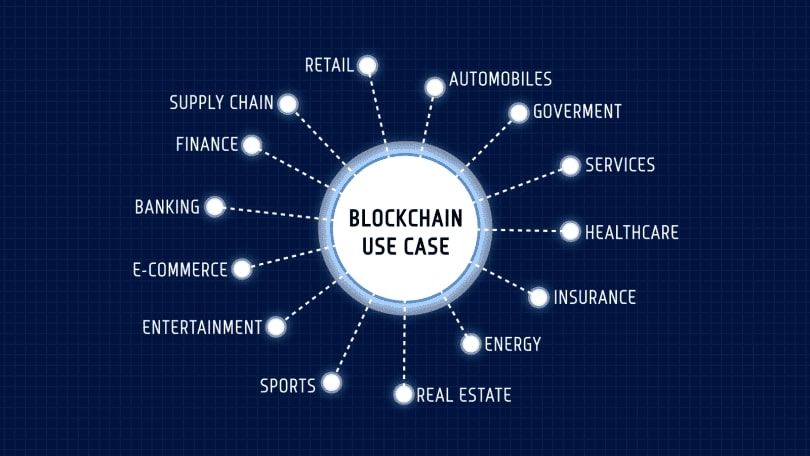
Blockchain is a decentralized and distributed ledger that records transactions or information across multiple computers or nodes. This eliminates the need for a central authority, such as a bank or a government, to oversee and validate transactions. The distributed nature of blockchain ensures transparency, enhances security and reduces the risk of single points of failure or manipulation.

  1. Transparency and Immutability:

Blockchain provides transparency by allowing participants in the network to view and verify transactions or information. Once a transaction is recorded on the blockchain, it becomes immutable, meaning it cannot be altered or tampered with retroactively. This transparency and immutability foster trust among participants, as they can independently verify the integrity of the data stored on the blockchain.

  1. Enhanced Security and Data Integrity:

Blockchain technology utilizes cryptographic techniques to secure data and ensure its integrity. Deals recorded on the blockchain are translated and linked to former deals, forming a chain of blocks. This makes it extremely difficult for unauthorized parties to manipulate or alter the data stored on the blockchain. The decentralized nature of blockchain also makes it resilient to cyber attacks, as there is no single point of vulnerability.

  1. Smart Contracts and Automation:

Blockchain platforms frequently support the prosecution of smart contracts, which are tone-executing contracts with predefined rules and conditions. Smart contracts automate processes and transactions, eliminating the need for intermediaries and reducing the associated costs and delays. By automatically enforcing contract terms, blockchain-based smart contracts enhance efficiency, accuracy, and trust in business interactions.

  1. Supply Chain Management and Traceability:

Blockchain technology has significant implications for supply chain management and traceability. By recording transactions and movements of goods on the blockchain, stakeholders can track and verify the origin, authenticity, and journey of products. This enhances supply chain transparency, reduces counterfeit products, improves quality control, and enables consumers to make more informed purchasing decisions.

  1. Financial Services and Banking:

Blockchain technology has disrupted the traditional financial services and banking industry. It enables secure and efficient peer-to-peer transactions, reducing the need for intermediaries and associated fees. Blockchain-based cryptocurrencies provide alternative payment systems, cross-border remittances, and financial inclusion for the unbanked population. Moreover, blockchain has facilitated the development of decentralized finance (DeFi) platforms, offering various financial services such as lending, borrowing, and decentralized trading.

  1. Healthcare and Medical Records:

Blockchain has the implicit to revise healthcare by perfecting the security and availability of medical records. By storing medical records on a blockchain, patients have greater control over their data and can grant access to healthcare providers securely. Blockchain technology ensures data integrity, enhances privacy, and enables interoperability among different healthcare systems, leading to more efficient and accurate healthcare delivery.

  1. Intellectual Property and Digital Rights Management:

Blockchain can address the challenges of intellectual property and digital rights management in the digital era. By leveraging blockchain’s immutability and traceability features, creators can prove ownership and authenticity of their digital assets. Blockchain-based platforms allow artists, musicians, and content creators to directly monetize their work, ensuring fair compensation and reducing copyright infringement.

Blockchain technology has emerged as a disruptive force with the potential to transform various industries. Its decentralized and transparent nature, coupled with enhanced security and automation, fosters trust among participants and enables new business models. 

Read more: 5 Smart Ways to Use AI Without Losing Your Mind

Analysts predict that Apple’s Vision Pro product will revitalize the sluggish electronics sector.

Analysts predict that Apple’s Vision Pro product will revitalize the sluggish electronics sector.

The electronics sector has been one of the most dynamic industries in the last decade. From the introduction of smartphones to the rise of smart home devices, the sector has been a hotbed of innovation. However, in recent years, the industry has become tired and stagnant, with very few groundbreaking products being released. But all this could change with the introduction of Apple’s Vision Pro.

Apple has always been at the van of invention, and its rearmost product, the Vision Pro, is no exception. The Vision Pro is a revolutionary device that combines the best of augmented reality and artificial intelligence to create a new computing platform. The device is essentially a pair of smart glasses that overlays virtual information onto the real world, creating a seamless experience for the user.

The potential applications of Vision Pro are endless. From gaming to healthcare, education to entertainment, the device can be used in a variety of industries. For example, in the healthcare sector, Vision Pro can be used to provide doctors with real-time information about patients, enabling them to make better decisions. In education, the device can be used to create immersive learning experiences, making learning more engaging and interactive. In gaming, it can be used to create new types of games that blur the line between the real and virtual worlds.


One of the most exciting aspects of the Vision Pro is its potential to kickstart the tired electronics sector. For years, the industry has been dominated by a handful of companies, and innovation has been slow. Many consumers are tired of buying the same products year after year, and sales have started to stagnate. However, the Vision Pro has the potential to change all this. It is a truly innovative product that has the potential to create a new market for smart glasses.

But what makes the Vision Pro so special? One of the most important features of the device is its ability to combine augmented reality and artificial intelligence. The device uses advanced algorithms to analyze the real world and overlay virtual information onto it. This creates a seamless experience for the user, making it easy to interact with the virtual world. The device also has a powerful processor and a high-resolution display, which ensures that the virtual information is displayed in high-quality.

Another important feature of the Vision Pro is its ease of use. The device is designed to be intuitive and user-friendly, making it easy for anyone to use. The device is also lightweight and comfortable to wear, which means that users can wear it for extended periods without experiencing discomfort.

In conclusion, the Vision Pro is a revolutionary product that has the potential to kickstart the tired electronics sector. The device combines the best of augmented reality and artificial intelligence to create a new computing platform. The potential applications of the device are endless, and it has the potential to create a new market for smart glasses. Apple has once again shown its innovative prowess, and it will be interesting to see how the device is received by consumers.


6 Critical Reasons Why Startups Fail Within a Year

6 Critical Reasons Why Startups Fail Within a Year

Startup culture is characterized by a fast-paced, high-energy, and often casual atmosphere, as well as a focus on innovation, risk-taking, and collaboration. Startups value employee empowerment, encouraging team members to think creatively and challenge the status quo. They also prioritize a flat organizational structure, with decision-making power being decentralized and often made through consensus.

Most startups also place a strong emphasis on work-life balance and a healthy work environment, promoting a sense of community and camaraderie among employees. The unique culture of startups has become a defining feature of the modern business landscape, attracting talented individuals, and helping to drive innovation and growth.

Startups are an integral part of the business world, driving innovation and providing new solutions to old problems. However, not all startups are successful. In fact, most startups fail within their first few years of operation.

There are many reasons why startups fail and understanding these reasons can help you avoid common pitfalls and increase your chances of success.

  1. Lack of a clear vision: Startups that don’t have a clear vision of what they want to achieve often fail. A clear vision provides direction and focus, which is essential for success. Startups without a vision are like a ship without a compass, constantly changing direction and never making progress.

  2. Inadequate market research: Startups often fail because they don’t understand their target market. Market research is essential for determining the needs of your target audience and ensuring that your product or service meets those needs. Without proper market research, startups can miss key opportunities and make critical mistakes.

  3. Running out of cash: Startups often run out of cash before they have a chance to become profitable. This can be due to a variety of factors, such as overestimating revenue, underestimating expenses, or failing to secure adequate funding. Startups need to carefully manage their cash flow and ensure they have enough funds to sustain their operations until they become profitable.

  4. Poor management: Startups often fail because of poor management. This can include poor decision-making, lack of experience, or poor leadership skills. Startups need strong, experienced leaders who can guide the company through its early stages and ensure that it stays on track.

  5. Underestimating the competition: Startups often fail because they underestimate their competition. The business world is competitive, and startups need to be aware of the competition and how they can differentiate themselves. Without this understanding, startups can quickly become irrelevant and lose their market share.

  6. Failing to pivot: Startups often fail because they refuse to pivot their business model. A pivot is a change in direction that can help a startup better serve its customers and achieve its goals. Startups that are unwilling to pivot are often stuck in a rut and unable to adapt to changing market conditions.

In conclusion, startups fail for many reasons, but by understanding these reasons and taking proactive steps to avoid them, you can increase your chances of success. Startups need a clear vision, thorough market research, careful cash management, strong leadership, an awareness of the competition, and the willingness to pivot when necessary. With these ingredients in place, you can build a startup that will not only survive but thrive.


5 Preventive Measures Against Cyberattacks for the Healthcare Industry

Health informatics is the study of how information technology is used in healthcare. It involves the management, storage, retrieval, and use of electronic health information to improve healthcare delivery and patient outcomes.

Health informatics combines knowledge of medicine, computer science, information science and cognitive science to improve the quality, efficiency, and safety of healthcare. It encompasses a wide range of topics such as electronic health records, telemedicine, medical imaging, and data analytics. The goal of health informatics is to transform healthcare using technology and data.

Health informatics plays a critical role in the healthcare industry as it helps to improve the quality, safety, and efficiency of healthcare delivery.

Some of the key benefits of health informatics include:

  1. Electronic Health Records (EHRs): EHRs provide a comprehensive and accurate view of a patient’s health history, enabling healthcare providers to make informed decisions and deliver better care.
  2. Improved patient safety: Health informatics helps to reduce medical errors and adverse events by providing accurate and up-to-date information to healthcare providers.
  3. Improved clinical decision making: Health informatics provides healthcare providers with access to evidence-based clinical decision support tools and real-time patient data, enabling them to make informed decisions about patient care.
  4. Better population health management: Health informatics helps to identify and track public health trends, enabling healthcare providers to take proactive measures to improve population health.
  5. Increased efficiency: Health informatics helps to streamline processes and eliminate manual tasks, freeing up healthcare providers to spend more time with patients and improving overall efficiency.

Overall, health informatics has the potential to greatly improve the quality, safety, and efficiency of healthcare delivery, making it a critical component of the modern healthcare industry.

Data, the fuel that Web 3.0 runs on, is essentially a critical link in the foundations of health informatics. Obtaining, utilizing, and protecting healthcare data in the most ethical way has become the need of the hour.

Cyberattacks have become a growing concern in the healthcare industry, as these attacks can result in sensitive patient information being stolen or compromised. To protect against these types of attacks, it is important for healthcare organizations to implement strong preventive measures.

Here are 5 measures that can help prevent cyberattacks in the healthcare industry:

  1. Encryption: Encryption is the process of converting sensitive data into a code to protect it from unauthorized access. By encrypting sensitive patient information, healthcare organizations can ensure that this information remains secure even if it falls into the wrong hands.
  2. Two-Factor Authentication: Before gaining access to confidential information, users of a system with two-factor authentication are expected to present two different forms of identification. This can include a password and a fingerprint or a password and a security token. By requiring two forms of identification, healthcare organizations can significantly reduce the risk of unauthorized access to sensitive patient information.
  3. Regular Software Updates: Regular software updates help to patch vulnerabilities in software and keep it secure. By keeping software updated, healthcare organizations can reduce the risk of cyberattacks and ensure that their systems are as secure as possible.
  4. Employee Training: Employee training is a critical component of preventing cyberattacks in the healthcare industry. By educating employees on the dangers of phishing scams, password protection, and other cyber threats, healthcare organizations can reduce the risk of cyberattacks and ensure that their employees are aware of how to protect sensitive patient information.
  5. Regular Backups: Regular backups ensure that sensitive patient information can be recovered in the event of a cyberattack. By backing up data regularly, healthcare organizations can reduce the risk of data loss and ensure that sensitive patient information is protected.

In conclusion, cyberattacks can be a major threat to the healthcare industry, but by implementing strong preventive measures, healthcare organizations can reduce the risk of these attacks and protect sensitive patient information.

By encrypting data, implementing two-factor authentication, regularly updating software, providing employee training, and regularly backing up data, healthcare organizations can ensure that their systems are secure and patient information is protected.

Top 10 Technology Trends Shaping Business in 2024

Technology is constantly evolving, and businesses are adapting to new advancements to stay ahead of the competition. The evolution of technology in business has been a continuous process over the last few decades.

From the introduction of computers and the internet to the rise of mobile devices and cloud computing, technology has transformed the way businesses operate and interact with customers.

The increasing use of Artificial Intelligence (AI) and big data analytics has provided businesses with valuable insights, while virtual and augmented reality technologies have created new opportunities for marketing and customer engagement.

The advent of blockchain, 5G, and edge computing has brought about a new level of security, efficiency, and accessibility in business operations. As technology continues to advance, it will continue to shape the future of work and transform the way businesses operate.

Here are the top 10 technology trends in business that are shaping the future of work:

  1. Artificial Intelligence (AI) and Machine Learning (ML): AI and ML are enabling businesses to automate mundane tasks, increase efficiency and accuracy, and make better decisions.
  2. Cloud Computing: Cloud computing is becoming the norm in the business world, providing businesses with flexible, scalable, and cost-effective IT solutions.
  3. 5G: The fifth generation of cellular technology promises to revolutionize the way businesses communicate and share data, enabling faster and more reliable connectivity.
  4. Internet of Things (IoT): IoT is connecting an increasing number of devices, allowing businesses to gather and analyze data from multiple sources in real-time.
  5. Virtual and Augmented Reality (VR/AR): VR and AR are being used by businesses to enhance customer experiences, train employees, and increase productivity.
  6. Blockchain: Blockchain is gaining traction in the business world as a protected and transparent way to store and exchange data, as well as enabling the creation of new business models.
  7. Cybersecurity: With the increasing use of technology in business, cybersecurity is becoming a top priority. Businesses must invest in robust security measures to protect their digital assets.
  8. Chatbots and Conversational Interfaces: Chatbots and conversational interfaces are being adopted by businesses to improve customer service and reduce the workload on customer service teams.
  9. Automation: Automation is changing the way businesses operate, reducing manual labor and increasing efficiency. Automation can be applied in areas such as marketing, finance, and operations.
  10. Edge Computing: Edge computing is making it possible for organizations to handle data much closer to its original source, which improves reaction times and reduces latency. This is of utmost significance for companies operating in sectors such as the manufacturing industry and the healthcare sector.

These technology trends are changing the way businesses operate and interact with customers. By staying up to date with these advancements, businesses can stay ahead of the competition and deliver a better customer experience.

2023 Trends in Hospitality: What Hospitality Companies Need to Know

2023 Trends in Hospitality: What Hospitality Companies Need to Know

Hospitality companies need to stay updated on the latest trends in order to remain competitive and attract guests. The industry is constantly evolving, and customers’ expectations and preferences change over time. By staying informed on the latest trends, top hospitality management companies can adapt and provide their guests with the best possible experience.

Keeping up with the latest technology, incorporating sustainability and eco-friendliness, offering personalized experiences, and prioritizing health and wellness, flexibility and safety, and remote destinations can set a hospitality company apart from its competitors and help it to remain relevant in an ever-changing industry.

Additionally, staying updated can help hospitality companies stay ahead of the curve, anticipate future trends, and be better prepared for any challenges that may arise. In 2023, hospitality companies need to be aware of the following trends in order to stay ahead of the game.

  1. Sustainability and Eco-Friendliness: With the growing awareness of environmental issues, guests are increasingly looking for hotels and restaurants that are eco-friendly and sustainable. This can range from using recyclable materials, reducing waste, and implementing green energy solutions. Hospitality companies should aim to reduce their carbon footprint and promote their commitment to sustainability.

  2. Technology Integration: Technology is becoming increasingly important in the hospitality industry, with guests expecting a seamless and convenient experience. From AI-powered room service to virtual and augmented reality experiences, technology is helping to enhance the guest experience. Staying updated with such transformational technologies will prove advantageous for hospitality companies and aid them in remaining competitive.

  3. Personalized Experiences: Personalization is key in today’s hospitality industry, and guests expect a customized experience tailored to their individual preferences. Big data and customer profiling can help hospitality companies understand their guests’ needs and provide them with a personalized experience.

  4. Health and Wellness Offerings: Health and wellness are becoming a top priority for travelers, and guests are looking for hotels and resorts that offer wellness amenities such as fitness centers, spa services, and healthy dining options. Hospitality companies should consider incorporating wellness into their offerings to appeal to this growing trend.

  5. Flexibility and Safety: Due to the ongoing COVID-19 pandemic, flexibility and safety are of utmost importance to guests. Hospitality companies should offer flexible booking policies and implement enhanced cleaning protocols to ensure the safety of their guests. Additionally, they should communicate their safety measures clearly to guests to provide peace of mind.

  6. Remote Destinations: With travel restrictions, many people are exploring new destinations closer to home. This has led to an increased interest in remote, off-the-beaten-path locations. Hospitality companies should consider targeting these remote destinations and offering unique experiences to attract guests.

In conclusion, the hospitality industry is constantly evolving, and keeping up with the latest trends is essential for success. By incorporating sustainability, technology, personalization, health and wellness, flexibility and safety, and remote destinations into their offerings, hospitality companies can appeal to guests and stay ahead of the competition.


5 Profitable Franchise Businesses You Should Own in 2023

5 Profitable Franchise Businesses You Should Own in 2023

The franchising business model offers numerous benefits for both franchisees and franchisors.

For franchisees, a franchise provides the opportunity to start a business with a proven concept, established brand recognition, and established systems and processes. Franchisees also benefit from the support and guidance of the franchisor, which can include training, marketing, and operational support. Additionally, franchisees can benefit from the economies of scale and purchasing power of the franchisor, which can result in lower costs for goods and services.

For franchisors, the franchising model allows for rapid expansion of their brand, as franchisees invest their own capital and resources into the business. Franchisors also benefit from the marketing efforts of franchisees, which can help to increase brand awareness and reach new customers. Overall, the franchising business model provides a win-win scenario for both franchisees and franchisors, making it a popular and successful business model.

Franchise businesses are a great opportunity for entrepreneurs to start a business with a proven concept, brand recognition, and established systems. With the right franchise, an entrepreneur can enjoy the benefits of being their own boss, while at the same time having the support of a larger organization.

In 2023, there are many profitable franchise business opportunities that are worth considering:

  1. Fast Food: Fast food franchises continue to be a profitable business opportunity in 2023. Quick-service restaurants, such as McDonald’s, Subway, and KFC, are well-known franchises that have been successful for many years. These franchises are especially popular in urban areas, where people are always on the go and looking for a quick, convenient meal.

  2. Retail: Retail franchises, such as 7-Eleven, The UPS Store, and Ace Hardware, are another popular option for entrepreneurs in 2023. These franchises offer a wide range of products and services to customers, making them a great option for those who are looking for a diverse business opportunity.

  3. Health & Fitness: The health & fitness industry continues to grow, making it a great option for entrepreneurs looking to start a franchise in 2023. Popular franchises in this industry include Anytime Fitness, Gold’s Gym, and Snap Fitness. These franchises offer a variety of services, including personal training, group fitness classes, and health and wellness products.

  4. Home Services: Home services franchises, such as The Maids, Mosquito Squad, and Mr. Handyman, are another profitable option in 2023. These franchises offer services such as cleaning, home repairs, and pest control, making them a convenient and affordable option for busy homeowners.

  5. Education: Education franchises, such as Sylvan Learning, Tutor Doctor, and The Goddard School, are becoming increasingly popular in 2023. These franchises offer a wide range of services, including after-school tutoring, summer camps, and preschool programs, making them a great option for entrepreneurs who are passionate about education.

In conclusion, 2023 is a great year for entrepreneurs looking to start a franchise business. With so many profitable options to choose from, it’s important to carefully research and consider your options before making a decision. By choosing the right franchise, an entrepreneur can relish the benefits of having the support of a larger organization while being their own boss.

Telecom :Telecommunications or Telecom is the exchange of information

Telecom

Telecommunications or Telecom is the exchange of information or undertaking a conversation over a vast and considerable distance between two or more people, via electronic means. It circumscribes all kinds of voice, data and video transmissions.

It includes all sorts of information-transmitting technologies and communication infrastructures such as wired phones, mobile devices such as cell phones, microwave communications, satellites, fibre optics, radio and television broadcasting, the internet and telegraphs.

A telecommunication set generally comprises two stations: a transmitter and a receiver. A telecom network is considered to be common for transmitting and receiving data. The internet is the largest example of the transmission of data.  Examples include cellar networks, telephonic networks, corporate and academic wide-area networks and broadcast networks.

The Indian economy has an extremely strong telecommunication sector. It is the second-largest telecommunications sector is the world. It has more than 1117.8 million telephone users (including mobiles). India’s internet user base is vast with 778 million people. This figure is continuously rising concerning the riveting increase in the technological advancement of the citizens of the country.

The prominent market players include Jio, Airtel and Vodafone. It cannot be said that the telecommunications sector displays monopolies tendencies as these companies continue to work towards consumer benefits. The telecom sector is the only sector to distinctly depict sustain long-term growth. The latest development in the Indian telecommunications sector is the introduction of 5G coverage. Recently a spectrum auction was held.

With the advent of the wireless revolution in India, communication via the internet has gained a lot of popularity. Applications like Facebook, WhatsApp, Instagram, We Chat have made it possible to communicate with our friends and family without paying any bills.

Telecommunication has glaringly contributed to the Indian economy. It accounts for 6.5% of the Indian Gross Domestic Product. It has made communication extremely simple and cost-effective. People can contact any individual at the click of a button, irrespective of whichever part of the world they reside in. This has made huge contributions to business to the way businesses are run. Telecommunications has also played a noteworthy part in the digitisation of the economy. Huge chunks of data can be transferred within a few seconds. It has strikingly reduced human effort and saved a lot of valuable time.

According to the GSMA, India is on its way to becoming the second-largest smartphone network across the globe by 2025 with around a billion installed devices. India is expected to have 920 million unique mobile subscribers including 88 million 5G subscribers.

5G is set to turn the tables for the Indian economy. It is likely to yield a multitude of economic opportunities and contribute to the economic development of the country. India may unlock 49 billion in the next three years.

Storage

Storage

Storage is defined by the preservation and maintenance of any object in its true form.

Data has assumed a significant role in a business concern and data storage has become essential. Most of the entrepreneurial activities and decisions are based on data analytics. To house this data, proper storage is mandatory.

Data storage is the summation of the methods and technologies that capture and retain digital information on an electromagnetic, optical of silicon-based storage platform or media. Storage has assumed an indispensable role in an enterprise. It is commonly used to describe devices and data connected to the computer through input and output operations.

Data storage is generally measured in bytes. From a single byte to kilobyte, megabyte, gigabyte, terabyte, petabyte and exabyte.

Today, the internet houses an infinite amount of data, there seems to be no end to the amount of information one can store. However, the data must be stored in such a way and in such a place that it can easily be accessed by the entrepreneur.

The world is changing every day. We are moving towards a world that has yielded to the supremacy of technology. During the initial stages, all the files could not be stored on a computer, therefore external devices were used to store excess data. These devices generally included hard disks and pen drives.

With the modernisation of the economy, various new platforms for storing data have come forward. These allow companies to apply machine learning-enabled artificial intelligence to interpret, analyse and derive the maximum amount of benefit from it. There are now provisions for backups. Data can be retained and preserved for an indefinite period in the future. A backup allows you to store data on a database or platform so that it can be accessed at your convenience. If a piece of data is backed up and later deleted from the device, the data will remain there.

Cloud-based storage has gained remarkable popularity. Cloud enables us to store an immense amount of data. There are provisions to store the data in the normal form or a converted form. Other than that, there is network-based storage, data is stored over a network of computers that are subsequently linked to one another. SSD flash drives are another method of storage, that uses flash memory.

The world of data storage is continuously evolving and growing. The latest innovations in storage over various platforms exhibit and promote forward-thinking and comprehensive solutions, that a business requires.

Oracle

Oracle

From Software Development Laboratories to Oracle Systems Corporation, the American multinational company has evolved through several stages. The company mainly deals in database software and technology, cloud engineering systems and enterprise software. Oracle develops a multitude of software such as the Capital Management Software or the Human Resource Management Software. The organisation also deals with designing and selling hardware. Their main aim is to provide ease and assistance to the client in the course of their business.

Oracle introduced its databases in 2004, it was equipped to deploy web-technology applications. This application software was the first mid-tier software designed for web computing.

 It has also included some additional database technologies likes Berkeley which offered embedded database processing, an in-memory database operator called TimesTen, Oracle Essbase which offers multi-dimensional database management and MySQL which is a relational database management system.

The company deals in middleware among its other services. It includes middleware products such as application server, system integration, contact management and business intelligence management.

The oracle corporation also undertook Oracle Fusion Applications which is an enterprise for resource planning software applications. The applications undertake Financial Management, Human Capital Management, Human Resource Management, Governance etc.


Oracle offers a Social Media Engagement and Monitoring System- it helps to gain the most relevant consumer response reports through social media. It analyses the requirements of the consumer for the enterprise.

The most appreciated services of oracle include:

The oracle cloud provides cloud computing services such as storage on databases and networking. It provides Infrastructure as a service (IaaS), Platform as a Service (PaaS), Software as a Service (SaaS) and Data as a Service (DaaS).

Other services offered by Oracle include Oracle Financing, Oracle Human Resource Management, Oracle Support, Oracle Consulting, Oracle Designer and Developer, Oracle Application Express, Oracle Java Development, Oracle SQL Developer, Enterprise Management and Marketing, Oracle E-business Suite among others.

The individuality and the uniqueness of Oracle lie in the fact that they are an all-inclusive database. They have an excellent market presence. Oracle is used by flourishing companies, due to its efficient and adept services. There is a provision of high speed. The portability offered is beyond comparison. It runs on over 20 networking protocols. Oracle keeps the client updated about a new version. It keeps revising the previous versions, to offer the best services.

Oracle has its offices in India as well and India is a notable member of the Oracle family as it provides the second-largest manpower to the company across the globe. Oracle is the leading and undisputed leader of innovation in these trying times.