Luggage can become a numbers game when travelling with the family. Travelers can have varying requirements for clothing, packing, and travel. People have different requirements; for some, packing light is fine, but others require more space to fit additional shoes, layers, or personal belongings into their bag. Without a clear plan, you can end up with too many bags, not enough usable space, or luggage set for family that does not suit your travel plans.
To avoid these issues, the sensible way forward is to pick a group package in line with the way your family really travels. Estimate luggage set for family all the packing items so that you know the overall space required and allocate space accordingly. From there, compare set configurations, check airline requirements, and think about how the luggage will work as your travel needs change.
With these considerations in mind, this guide explains how to choose a luggage set for family of four.
1. Calculate Total Packing Volume
First, determine as a family what you think you will need to pack. Take into account the duration of the trip, the type of clothes to wear, and whether a bulky item is required for the destination. Your bags should have sufficient usable volume without any marginal bag sizes. Looking at options for the luggage set for family can also help you compare configurations based on the needs of your family.
Next, discuss individually with each member of the family. Adults might require more outfits, while children might require fewer but more extras like snacks, activity equipment, or comfort items. Weather is another consideration in packing. Coats, sweaters, and heavier shoes consume more space than lighter clothes do on warm-weather trips, so it’s generally more difficult to pack for the winter.
Finally, your actual packing habits matter more than a theoretical capacity figure. The lightweight family will find an oversized set of dishes a burden and waste of space. Additional space can be helpful if you tend to go home with some purchases. Estimate your normal packing volume first, then choose a set that provides enough additional space without becoming difficult to manage.
2. Divide Space by Traveler
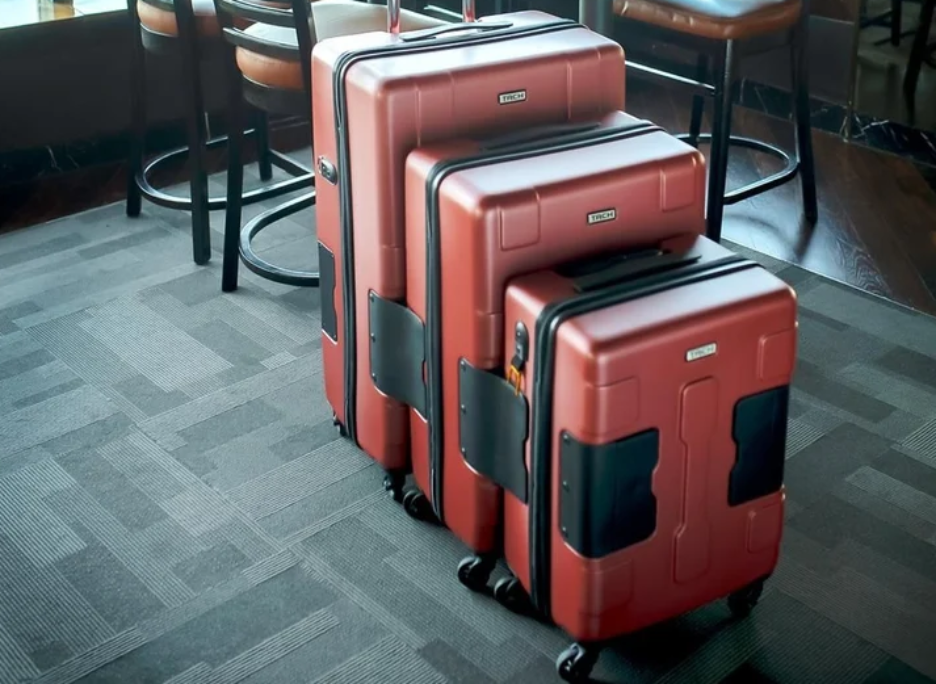
Once you know your approximate total packing needs, decide how the available space should be divided. Four people do not necessarily need four identical suitcases. One option may be to give each traveler an individual case. Another may be to place shared items in one suitcase while assigning separate cases to individual family members.
The age of children can also influence that decision. Older children may need more personal space for clothing, shoes, electronics, and other travel essentials. Assigning space according to actual needs can prevent one case from becoming overloaded while another remains half empty.
Packing habits within the family matter just as much. If everyone prefers to manage personal belongings separately, individual luggage may make sense. If you often combine clothing or share toiletries and accessories, fewer larger cases could be more practical. The goal is not equal luggage, but a setup that distributes belongings in a manageable way.
3. Compare Set Combinations
Once you have a packing plan figured out, compare set-up configurations of various luggage. Depending on how you split belongings, a two-piece, three-piece, or four-piece set can be used for a family of four. The number of people in your family should not automatically determine the number of suitcases you buy.
Consider the entire combination instead of one particular case. Measure and compare the size, capacity, and weight of each piece. Although a set might seem large in total, one large case with a few small cases may not fit your packing style. Consider whether the available sizes match the way your family distributes clothing and other travel items.
The usefulness of each piece matters as well. Additional cases are helpful for longer journeys, but for shorter trips, they will take up storage space at home and risk adding unwanted weight when you travel. A smaller set can sometimes work well when family members share space. If your family stays away for longer periods of time or has separate personal belongings, you might think about using a larger-sized configuration.
4. Measure Against Airline Rules
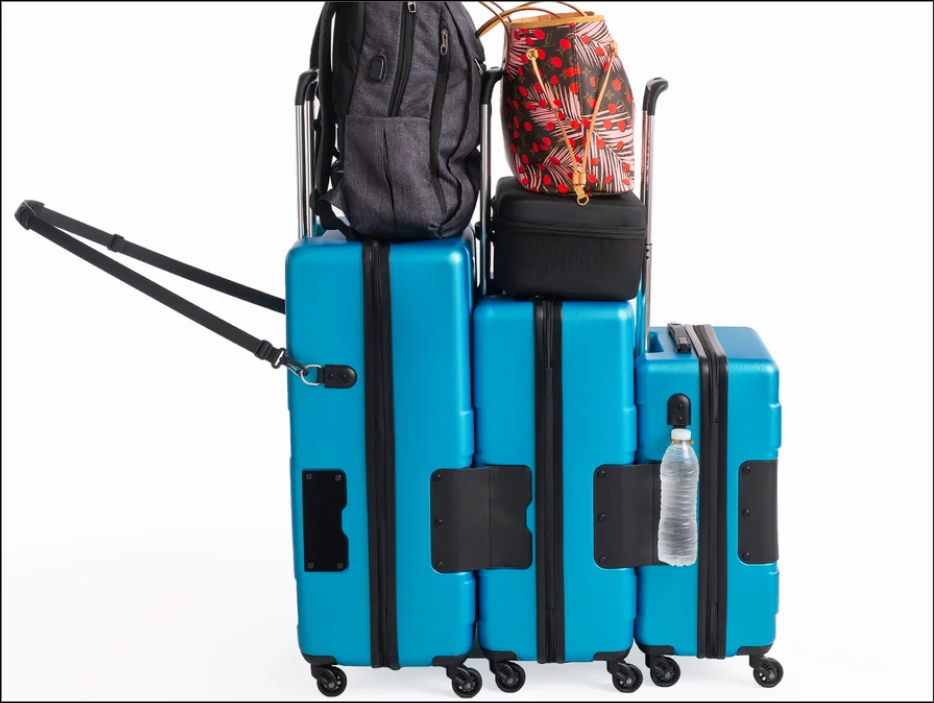
Airline requirements should be part of your decision before you purchase a luggage set. Check the maximum dimensions for carry-on and checked baggage with the airlines you are most likely to use. Requirements can vary by carrier, route, fare type, and travel class, so relying on a general assumption can create problems at the airport.
Weight deserves the same attention. The suitcase itself contributes to the total weight you take through the airport. A heavier empty case leaves less room for clothing and other belongings before you reach a baggage limit. When comparing sets, consider both the empty weight and the amount your family typically packs into each case.
Do not evaluate airline compatibility from dimensions alone. Think about how your family will actually use the set. If one traveler usually takes a carry-on while the others check bags, you need a combination that supports that arrangement. Checking your likely airlines and travel routes before buying can help you avoid a set that looks suitable but does not fit your normal travel requirements.
5. Test Long-Term Family Fit
A luggage set should work beyond your next vacation. Family needs can change as children grow, travel habits develop, and trip types vary. A configuration that works when your children are young may feel restrictive a few years later. Consider whether the set can continue to provide useful combinations as your family changes.
Think about durability in terms of repeated family use rather than a single journey. Four travelers can mean more frequent handling, more airport transfers, and more occasions when several cases are packed at once. Look at the overall construction, wheel system, handles, closures, and other components that receive regular use. Warranty coverage can also matter when luggage is expected to serve your family for years.
Finally, consider whether the set can work for more than family vacations. You may eventually use individual pieces for business trips, weekend travel, visits to relatives, or solo vacations. A set with sizes that remain useful in different situations can provide value over a longer period. Choose a combination that supports your family today without becoming impractical as your travel patterns evolve.
Conclusion
luggage set for family of four starts with actual packing needs, not the number of people alone. Estimate total volume, divide space based on individual needs, compare complete set configurations, verify airline requirements, and consider how the luggage will serve your family over time.
Before buying, review your usual trip length, packing habits, airline preferences, and future travel plans. The right set should provide enough space without unnecessary bulk and offer a practical combination of cases for different journeys. That approach makes your decision more deliberate and easier to match with the way your family travels.
Also Read :- Family Conflict After Addiction: Can Therapy in New Hampshire Help Rebuild Trust