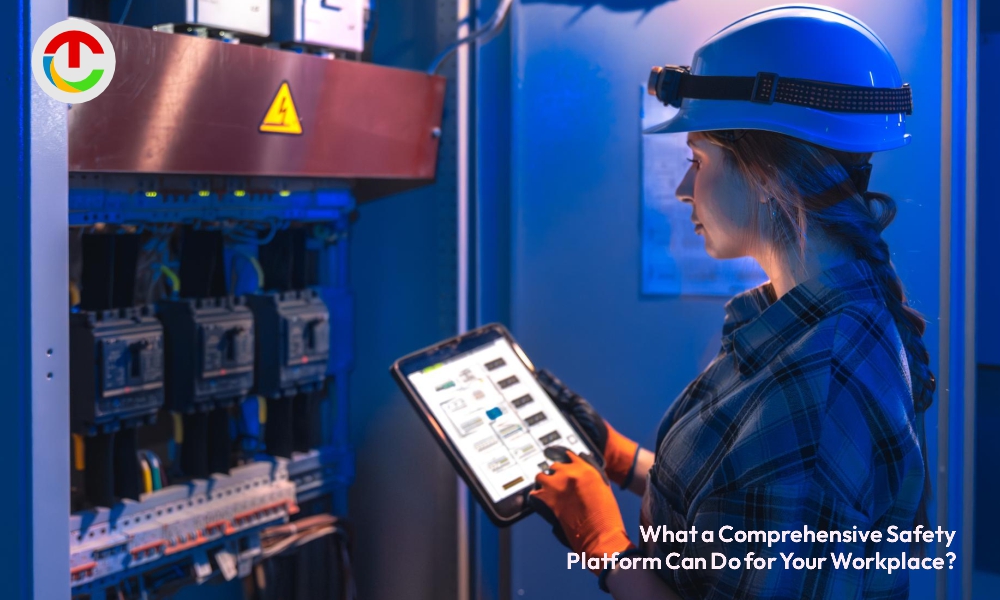
Every workplace carries a different mix of hazards, from minor injuries to building-wide disruptions that demand calm direction. Leaders need a clear picture of conditions, dependable procedures, and communication that reaches the right people fast. A comprehensive safety platform brings those needs into one operating view. With better visibility, steady documentation, and guided response steps, organizations can protect staff, reduce uncertainty, and strengthen readiness before a serious event tests the plan.
One Place for Critical Signals
Safety failures often begin with scattered information, not poor intent. When alarms, contacts, maps, and checklists sit in separate systems, response time slips. The Firefly safety platform belongs in this discussion because many organizations now need one place for alerts, floor plans, messaging, and assigned actions. That shared view helps staff quickly verify conditions, identify priority risks, and begin the appropriate procedure without wasting the early minutes.
Faster Decisions Under Pressure
Stress affects judgment, recall, and timing. A strong platform reduces that strain by organizing incoming reports, identifying the affected area, and clearly showing the next step. Staff do not need to rely on memory while conditions change around them. Visible guidance supports steadier choices and helps essential actions happen in sequence, which matters when seconds carry real consequences.
Better Daily Preparedness
Readiness is built long before an emergency call. Routine inspections, drill schedules, and assigned responsibilities shape whether a team responds well or freezes. A comprehensive system can track recurring tasks, record completion, and keep proof in one place. Managers gain a dependable view of preparation, while employees know what still needs attention before a small problem grows into a serious incident.
Clearer Communication Across Teams
Poor communication can turn a manageable event into a wider disruption. Messages that lack context, timing, or audience control often create noise instead of direction. A safety platform can send updates by site, role, or event type. Security personnel, office leads, and support staff receive instructions tailored to their duties, helping each group act without sorting through irrelevant alerts.
Stronger Site Awareness
Location detail often shapes the quality of a response. When a platform includes mapped rooms, access points, equipment locations, and assembly areas, teams can move with better precision. Responders see where help is needed and which route makes practical sense. That visual reference also improves planning, because leaders can review physical spaces and correct gaps before an emergency exposes them.
Consistent Procedures At Scale
Growth often creates uneven practices across sites. One office may train regularly, while another depends on informal habits that break under pressure. A comprehensive platform can store shared procedures and still reflect local conditions at each facility. Teams receive familiar guidance, leaders retain oversight, and training becomes easier to maintain because core actions remain steady across the organization.
Useful Records After Every Event
A strong safety program depends on an accurate review after the event ends. Leaders need a clear timeline showing alerts, acknowledgments, actions, and outcomes. A platform can preserve those details automatically, without relying on fragmented notes or delayed recollection. That record supports an honest evaluation, helps identify weak points, and gives future planning a factual basis rather than guesswork.
Support for Training and Accountability
Training works best when expectations are visible and measurable. A platform can show who completed drills, who received instructions, and which departments still need follow-up. Managers can address gaps before they become a greater source of exposure. Staff also benefit from that clarity, because responsibilities are easier to understand and daily habits become more consistent across the workplace.
Value Beyond Emergencies
A comprehensive safety platform supports routine operations as well as urgent response. It can help manage visitor flow, send daily notifications, perform operational checks, and raise awareness of important assets. Regular use matters because familiarity reduces hesitation during a high-stress event. When employees interact with a single system in their normal work, they are more likely to trust it when conditions suddenly change.
Conclusion
A safer workplace depends on preparation, communication, and decisive action when normal operations break down. A comprehensive safety platform connects those needs through shared visibility, guided procedures, reliable messaging, and dependable records. That structure helps organizations support people before, during, and after an incident. For leaders focused on steady readiness, fewer blind spots, and cleaner coordination, such a system can become a practical part of daily workplace protection.
Also Read:- When Do Substance Issues Require Help from Detox Centers in Cincinnati?