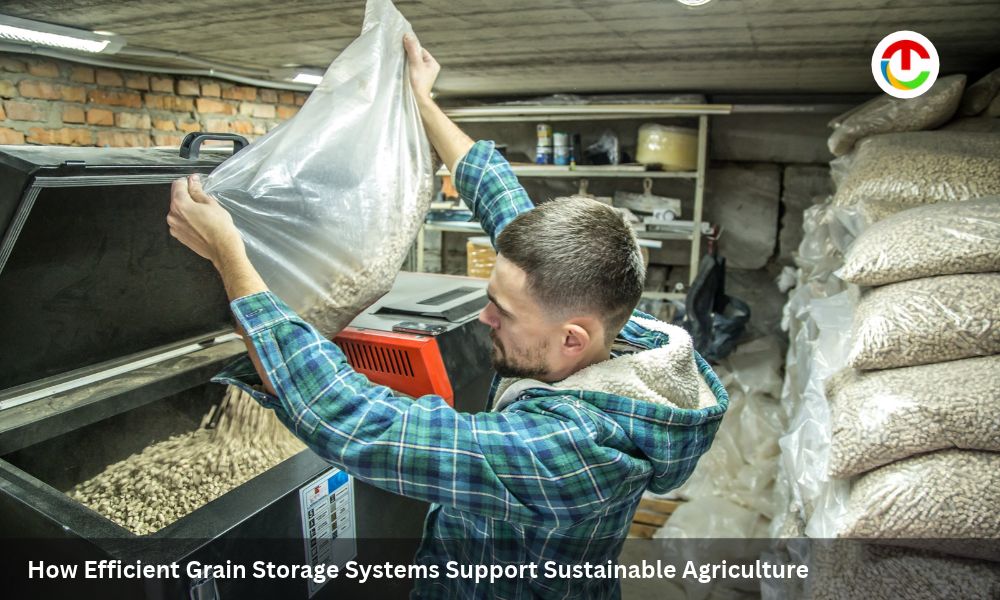
Harvesting a healthy crop is only part of successful farming. What happens after harvest can determine how much of that crop remains usable, how many resources are wasted, and how efficiently a farm operates. Poor storage conditions can expose grain to moisture, pests, mold, and spoilage, resulting in losses that farmers work hard to avoid.
As agriculture increasingly focuses on sustainability, improving post-harvest storage has become an important part of responsible farm management. Efficient grain storage systems help preserve crop quality, reduce unnecessary waste, simplify handling, and support better use of resources. They also give farmers greater control over their harvested produce, making storage infrastructure an important consideration for modern agricultural operations.
Why Grain Storage Systems Matters for Sustainable Farming?
Sustainable agriculture involves producing food while managing resources responsibly and reducing avoidable losses. Storage plays an important role in this process because harvested crops remain vulnerable to environmental conditions and pests.
When grain is stored improperly, farmers may lose part of their harvest to mold, insects, moisture damage, or contamination. These losses can increase production costs and create additional pressure on resources already used for growing, harvesting, and transporting crops.
Effective storage helps farmers:
- Preserve the quality and quantity of harvested grain.
- Reduce food and feed waste.
- Protect stored crops from environmental exposure.
- Improve inventory management and planning.
- Make better use of harvested resources.
How Grain Storage Systems Bins Help Reduce Post-Harvest Losses?
Proper storage structures help protect grain from moisture, pests, and conditions that encourage spoilage. Well-designed grain storage bins can make a practical difference by providing a dedicated space for bulk grain storage while simplifying handling and unloading.
Hopper-bottom bins are particularly useful for farms that need convenient access to stored grain. Their sloped bottoms allow grain to move towards the discharge opening through gravity, helping farmers unload stored materials without manually removing grain from the bottom of a flat storage pile.
Depending on the storage requirements, farmers can consider:
- Galvanized steel bins: Durable storage structures designed to protect grain and feed from outdoor exposure.
- Polyethylene bins: Lightweight storage options with smooth interiors that support grain flow and resist corrosion.
- Hopper-bottom designs: Structures that make unloading easier through bottom discharge openings.
- Different storage capacities: Options that help farms manage storage according to their operational needs.
Selecting the right bin depends on the crop, expected volume, available space, and handling requirements.
5 Ways Efficient Grain Storage Systems Support Sustainability
Let’s take a look:
1. Minimize Crop Waste
Grain exposed to moisture, insects, or mold may become unsuitable for consumption, processing, or animal feed. Proper storage conditions help protect the harvested crop and reduce avoidable losses. Preserving more of the harvest also means farmers can make better use of the resources invested in growing it.
2. Improve Feed Handling and Farm Efficiency
Hopper-bottom storage systems simplify the movement of grain and feed. Gravity-assisted discharge and compatible unloading arrangements can reduce manual handling and make daily feeding or grain transfer more convenient.
These improvements can help farms organize routine tasks, reduce unnecessary handling, and manage bulk materials more efficiently.
3. Protect Stored Grain from Moisture and Pests
Moisture and warm temperatures can encourage fungal growth and insect activity. Storage structures that protect grain from rain and external exposure provide an important first line of defense.
However, bins alone cannot guarantee safe storage. Grain must be dried appropriately before storage, and farmers should regularly inspect stored material for moisture changes, insects, unusual odors, and temperature variations.
4. Support Better Inventory Management
Reliable storage gives farmers greater flexibility in managing harvested grain and feed supplies. When stored produce remains in good condition, farmers can plan feeding schedules, processing requirements, and sales more effectively.
Organized storage also helps farms track available quantities and reduce unnecessary movement or handling of stored materials.
5. Encourage Long-Term Resource Efficiency
Durable storage structures can support long-term agricultural operations when properly installed and maintained. Choosing suitable storage capacity, materials, and discharge arrangements helps farmers avoid unnecessary equipment replacement and improve the usefulness of their storage infrastructure over time.
The sustainability benefits depend on appropriate use, maintenance, and the overall efficiency of the farm’s storage practices.
What Should Farmers Consider When Choosing a Grain Storage Systems ?
Choosing a storage structure requires more than comparing capacities. Farmers should evaluate how the equipment will fit into their existing operations.
Important considerations include:
1. Capacity requirements:
Estimate the amount of grain or feed that needs to be stored.
2. Material compatibility:
Confirm that the bin is suitable for the intended grain or feed.
3. Discharge options:
Consider slide gates or compatible auger transitions for easier unloading.
4. Installation requirements:
Check foundation specifications, anchoring, and available installation space.
5. Maintenance:
Inspect the structure regularly and keep it clean, dry, and free from residue.
These considerations can help farmers select a storage system that supports practical farm needs while protecting their stored materials.
How Can Farmers Maintain Grain Quality During Storage?
Even an efficient storage structure requires proper management. Farmers should clean bins before filling them, store grain at suitable moisture levels, and monitor conditions throughout the storage period.
The Canadian Grain Commission’s stored-grain guidance recommends preparing storage facilities, managing grain temperature and moisture, and monitoring stored grain to help prevent pest infestations.
Regular inspections, appropriate aeration where available, and prompt attention to signs of spoilage can help maintain grain quality and reduce storage-related losses.
Final Thoughts
Efficient Grain Storage Systems is an important part of sustainable agriculture because it helps farmers protect harvested crops, reduce waste, and improve everyday farm operations. Well-chosen storage structures, combined with proper grain preparation and regular monitoring, can preserve quality and support better resource management. Investing in practical storage solutions helps farms make more effective use of their harvest and strengthens long-term agricultural efficiency.
FAQs
1. Does Grain Storage Systems affect a farm’s profitability?
Yes. Reducing spoilage and improving storage management can help farmers preserve usable crops, control avoidable losses, and manage their resources more effectively.
2. Can hopper-bottom bins be used for livestock feed?
Yes, many hopper-bottom bins are designed for storing free-flowing feed materials. Farmers should verify the bin’s specifications and material compatibility before use.
3. How often should stored grain be inspected?
Stored grain should be inspected regularly, with frequency adjusted according to storage duration, grain moisture, temperature, weather conditions, and the presence of any warning signs.
Also Read :- The Growing Business Potential of Specialized Plant Cultivation