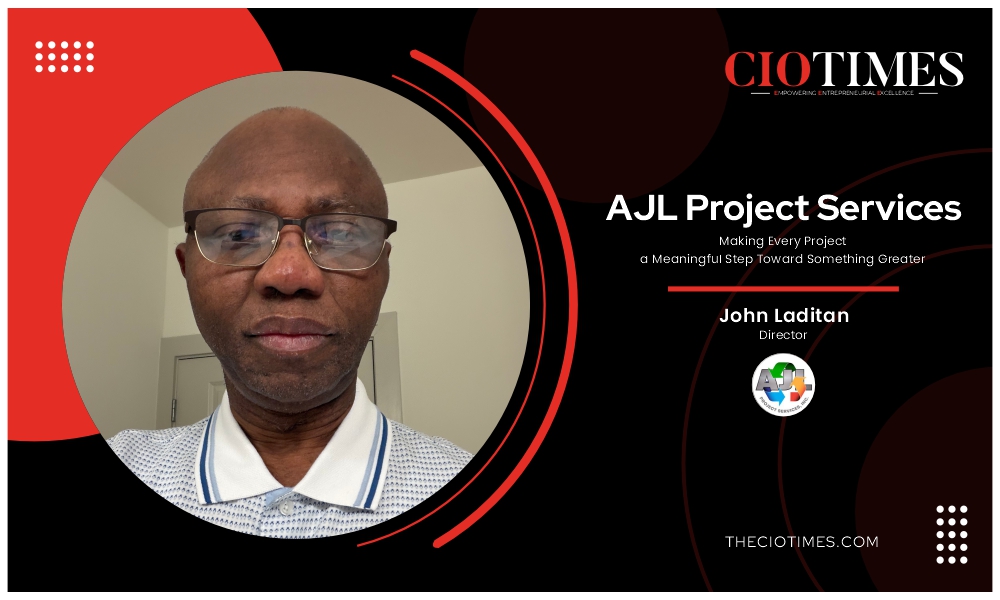
Business projects today are becoming more demanding. Organizations need greater control over how work is planned and delivered. Pioneers like AJL Project Services Inc. supports clients with a practical approach to project execution. The company focuses on understanding project requirements and turning them into clear, execution-focused plans. Strong project delivery also depends on maintaining consistency throughout the process. It requires close attention to changing requirements and project priorities. It also calls for clear communication between everyone involved. As expectations continue to rise, organizations are placing greater value on project partners who understand the realities of execution. The ability to bring structure and clarity to complex projects is becoming an important business priority.
Project Delivery Expertise
A project-focused company, AJL Project Services, serves clients across construction, project management, and public transportation procurement. The company provides project management support from planning through completion, helping clients maintain focus on time, quality, budget, and objectives. Its procurement services support transit agencies with bus and rail parts and maintenance equipment. It also undertakes residential and commercial construction projects. With a project-based structure and experienced professionals, the company brings practical expertise to projects across multiple sectors and operating environments.
Integrated Operational Expertise
The organization operates across construction, infrastructure, transit, and project services. Its diverse capabilities are connected by a clear focus on delivering practical value through three core business areas:
1. Project Procurement Services for Government Agencies:
AJL Project Services, Inc. supports public transit agencies through procurement services, with a particular focus on promoting public transportation and rail infrastructure.
2. Construction:
With expertise in civil engineering and project management, the organization is positioned to contribute to the development of housing and infrastructure across the nation.
3. Project Management Services:
Project management remains a core capability of the organization. AJL Project Services, Inc. applies this expertise to support the successful completion of facility development and other projects across industries.
These business areas are supported by the organization’s core values of Integrity, Performance, and Quality. Together, these principles guide how the company approaches its projects and strengthen the value it delivers to clients.
Strategic Team Alignment
The team’s Projectized Organizational Structure (POS) enables the organization to engage the right professionals for each project. This approach supports strong results and contributes to the successful completion of projects and the achievement of defined objectives. The coordination of these professionals is central to the organization’s approach. The company focuses on bringing together the expertise required for each engagement and coordinating those professionals effectively toward the desired outcomes. This remains a sustainable approach as long as the organization continues to maintain strong collaborative capabilities and effectively aligns professional expertise with the needs of each project.
Balancing Stakeholder Expectations
Stakeholder expectations vary across the public and private sectors. The private sector is primarily profit-driven, while the public sector is outcome-driven. Private sector projects are often financed through loans, debt, or investor funds. This occurs with an expectation of a strong return on investment (ROI).
Public-sector projects are financed through taxpayer dollars, with an emphasis on achieving maximum impact at the lowest possible costs. For the organization, this distinction has strengthened its ability to manage both government and private projects effectively, with a clear understanding of their respective expectations.
Measuring Success
The triple constraints of project management remain key performance indicators (KPIs) for any project. Completion on time, within budget, and according to specifications continues to define project success.
However, beyond these three, other factors also determine success:
- Business value to organizations that undertake projects
- Outcome impact for government establishments that undertake projects.
Under Business Values (Private) are:
- Outlined objectives for undertaking projects by an organization – “Did the project achieve the outlined objectives initially set?”
- Impact on Bottom Line – “What measurable profitability impact did the project deliver?”
- Operational Efficiency – “Did the project improve how the business operates?”
- Overall, did the project add value to the business organization?
Under Public (Government) Project Values are:
- Was the project completed on time, within budget, and according to specifications?
- Would the project achieve the objectives behind the Government’s creation of the facility?
- What is the Economic Value?
Impacts on the quality of life of the people, etc.
Scaling with Agility
AJL Project Services is developing an organizational structure that enables the business to manage and accommodate the complexities associated with growth and scaling. An adequately resourced matrix organization, supported by a strong focus on customer satisfaction and relevant technology. It will help maintain responsiveness as the business expands. Historically, AJL has operated largely through a projectized model and now intends to strengthen its organic business functions through targeted hiring.
AI Transforming Projects
Artificial intelligence will have the greatest impact on project delivery in the industry, and its influence is already tangible. Programmable hardware and software that enable faster delivery of project tasks are already transforming the industry. Tools such as ChatGPT and Microsoft Copilot are being used on projects, changing the way project activities are planned and performed. This technology improves operational efficiency, significantly reduces costs and time, and therefore has the greatest impact on the project management process.
Strategic Capacity
Commercial discipline in terms of work volume at any particular point in time is determined by company capacity. The organization has never faced an issue with this, as its projectized structure builds capacity through project-specific hires for each project delivery. It makes the approach highly efficient.
With its projectized structure, AJL Project Services Inc. manages multiple projects through multiple project teams, supported by effective and efficient coordination across the business.
Exploring the Untapped
AJL Project Services Inc. identifies the involvement of qualified professionals in detailed field investigations, robust design, and implementation supervision. It acts as a significant untapped opportunity across the U.S. construction and infrastructure sectors. As technology and equipment advance, the organization emphasizes greater professionalism beyond processes streamlined through regulatory boards and conventional practices.
The Past Experiences Teach
The AJL Project Services team is prepared with an action plan if some emerging risks may occur. It addresses is ‘historical experience’ as a crucial component of Project Risk Management and Planning. It maintains comprehensive records of past projects, creating a valuable knowledge base that can be retrieved, reviewed, and analysed to support current project decisions. By applying insights from previous project outcomes, it strengthens planning, anticipates potential risks, and improves operational efficiency. This structured approach enables the organization to make informed decisions. It also tackles issues effectively and continuously enhances project performance through practical experience and data-driven planning.
Managing Scope Creep
Effective project leadership requires recognizing when a project materially departs from its original plan. The organization views scope creep as a fundamental project management failure, as uncontrolled changes can undermine timelines, resources, and intended outcomes. The team emphasizes disciplined scope management throughout the project lifecycle, because significant deviations often surface during end-stage or end-phase reviews, potentially triggering a stall or complete project stoppage.
Balancing Value Objectives
The organization balances immediate client objectives with long-term asset value across residential and commercial construction projects. While commercial construction typically involves larger, more complex, and demanding projects, the organization also pursues residential projects while maintaining strong capabilities in commercial construction and expanding its commercial portfolio. Across every project, the organization carefully aligns immediate objectives with long-term asset considerations, ensuring that project decisions support both client priorities and sustainable asset value.
Lifecycle Foresight
AJL Project Services recognizes that construction remains a highly dynamic industry. It is particularly so across developed markets, where technology continues to drive rapid change. It emphasizes the importance of foresight and available data analytics in evaluating the relationship between upfront investment and lifecycle value.
By analyzing relevant data and anticipating emerging market and technological trends, the team helps owners access potential returns and outcomes more effectively. This forward-looking approach supports informed investment decisions and strengthens the potential for sustainable value across future projects.
Designing for Tomorrow
The team anticipates that evolving residential needs will significantly influence high-performing real estate and built-environment projects over the next decade. Changing expectations around facilities, amenities, and responsive maintenance will increasingly shape how properties are designed, managed, and valued.
The organization acknowledges the fact that understanding and addressing these evolving ‘needs’ will be central to future project performance. The organization sees its role as helping clients respond effectively to changing environments while maintaining a strong focus on functionality, service responsiveness, and long-term value across the built environment.
Also Read :- CIO Times Magazine For More information