Source: Unsplash
People come to concerts in a good mood, ready to have fun, enjoy the music and make unforgettable memories. They’re thinking about their favorite performers, not the possibility of someone with a weapon, a crowd suddenly becoming restless or another guest needing medical attention.
This creates an organic disconnect between what concertgoers expect, and what security personnel have to prepare for.
Lessons We Cannot Ignore
In 2017, a suicide bomber attacked fans leaving an Ariana Grande concert at Manchester Arena, killing 22 people. In 2021, a crowd surge at Houston’s Astroworld killed 10 people and wounded hundreds. Authorities canceled three Taylor Swift concerts in Vienna in 2024 after discovering a plot to attack the event. No one was hurt, but thousands of fans were left disappointed and the city was shaken.
These incidents were very different, and that’s precisely the point. Event security goes far beyond checking for weapons. Crowd surges, overcrowded entrances, medical emergencies, fights, vehicle attacks, lost children and poor emergency communication all need to be considered.
Why Airport-Style Modern Security Solutions Backfires?
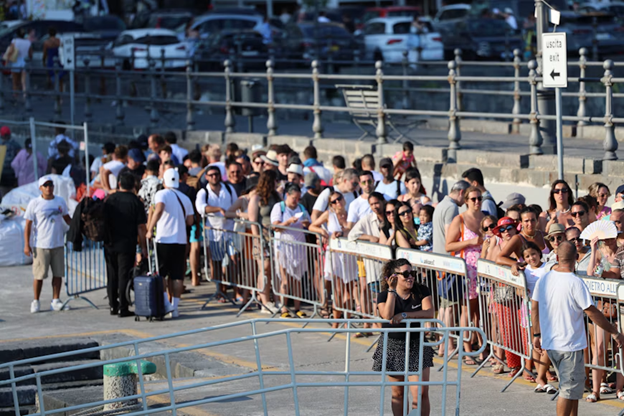
Many guests arrive after a long journey, only to spend hours waiting in line before the first song even starts. By then, they’re tired, hot, hungry and increasingly impatient.
Slow, badly organized screening only makes that worse. Frustrated guests are less cooperative, arguments with security staff become more likely, and restless crowds start pushing or clogging up the entrances. Long queues outside the venue bring their own risks too, from crowd surges to potential attacks.
So the answer isn’t less security, it’s smarter security: quick, efficient checks, clear procedures and enough trained staff to keep people moving without cutting corners on safety.
More so, Modern Security Solutions can make a real difference. For example ,CEIA OPENGATE rental offers metal detection screening solutions that help keep people moving while giving security teams another layer of protection.
The Risks Are Broader Than Weapons
Most serious incidents at large events do not involve a weapon. A good plan covers:
- Crowd surges and crushes: pressure toward the stage or at bottlenecks can turn deadly quickly.
- Overcrowded entrances and exits: poor flow creates danger before and after the show.
- Medical emergencies: heat, dehydration, alcohol and drugs cause far more incidents than violence.
- Fights and aggression: small disputes escalate when people are tired and packed together.
- Vehicle attacks: queues and drop-off zones are exposed to cars and trucks.
- Lost children: a missing child can cause panic for a family within seconds.
- Poor emergency communication: if staff and guests cannot get clear information, every other problem gets worse.
- Weapons and prohibited items: a real threat, but one of many.
Most guests will never think about any of this, and they should not have to.
Source: Unsplash
Practical Solutions: Security That Works for Guest for Modern Security Solutions
The most effective measures keep guests safe without getting in the way of the music, and these five areas make the biggest difference.
1. Be Visible When It Matters
Staff should be easy to find and easy to identify. Clear, color-coded uniforms and vests show at a glance who checks tickets, who is security and who is medical staff, so nobody has to guess whom to ask. Help points, marked meeting spots for lost children and medical tents visible from across the grounds serve the same purpose.
Visibility is also about attitude. Training in de-escalation, respectful but assertive language and early recognition of rising tension helps staff calm situations before they grow. “Thanks for your patience, we’ll have you inside shortly” works better than a curt order.
2. Explain the Why
People accept rules they understand. “Bag limits help us screen faster and get you inside sooner” is easier to accept than a bare list of banned items.
Explain measures on signs, on the back of tickets, in the event app and in pre-event emails, and give regular updates on waiting times and gate changes. Clear information reduces uncertainty, one of the biggest sources of frustration.
3. Design the Flow, Not Just the Checkpoint
A good layout prevents problems before they start. Separate entrances for VIPs, general admission and different stadium sections spread the load, and zoned tickets let guests walk straight to the gate nearest their seat.
Wide, clearly signed exits, capped capacity in standing areas, water points, and queues kept away from vehicle traffic by barriers or bollards reduce the risk of crushes, heat emergencies and vehicle attacks. Planners should model how people will move, including how they leave.
4. Technology That Works in the Background
Technology can make security faster and less intrusive. Digital tickets speed up entry and reduce fraud, while RFID wristbands simplify access control and allow cashless payments. Walk-through metal detectors screen large numbers of guests quickly, with handheld scanners available for additional checks.
Cameras and crowd-density sensors help security teams spot potential problems early, while two-way radios keep guards, medical staff and event managers connected. Event apps also give organizers a direct way to share important updates and emergency instructions with guests.
The key word is discreet. Guests should feel protected, not watched, and organizers should be open about what data is collected and why.
5. Communicate Clearly in an Emergency
Every event needs a rehearsed emergency plan shared by police, medical services, fire brigades and venue staff. Everyone must know who can pause a show, open extra exits or order an evacuation.
Public address systems, screens and app alerts should deliver calm, simple instructions. Cooperation with authorities matters before the event too: the Vienna plot was stopped by investigative work, not by a checkpoint.
Conclusion
Safety and enjoyment are not opposites.
The most Modern Security Solutions is the kind guests barely notice: clear information, friendly and well-trained staff, smart layouts and technology that works quietly in the background, plus fast, visible help the moment someone needs it.
When people understand why measures exist and feel respected, they become partners in safety. The aim is simple: everyone who walks in singing should walk out the same way.
Also Read :- Video Surveillance as IT Infrastructure – Working With Security Camera System Installers