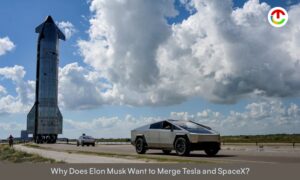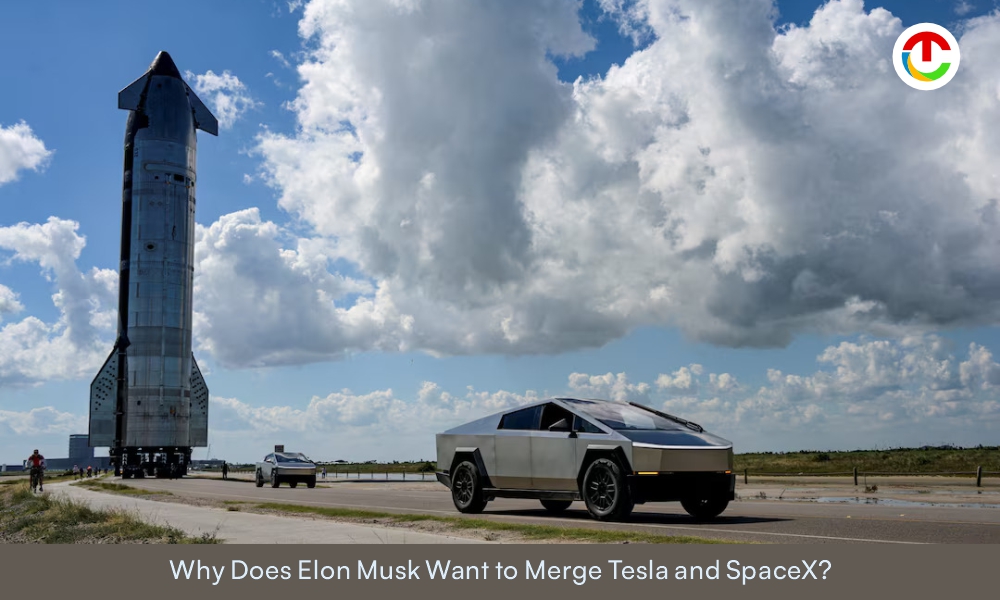
Elon Musk is considering merging Tesla and SpaceX, two of his most valuable companies, in a move that could reshape the technology and space industries. Musk, who leads both businesses, has expressed support for the idea, although a final decision has yet to be made.
When asked on Tuesday whether combining the companies would be a good idea, Musk responded affirmatively. He revealed that special committees had been established to examine a potential merger but cautioned that there was no certainty a deal would proceed.
With Tesla valued at approximately $1.5 trillion and SpaceX at around $2 trillion, the combined entity would represent a corporate transaction of unprecedented scale. Any merger would also require shareholder approval. Nevertheless, Musk believes the consolidation could offer significant advantages, saying there is “a lot to be gained” from bringing the businesses together.
What Could a Merger Achieve?
A merger could bring together Tesla’s electric vehicles, robotics and autonomous-driving technologies with Tesla and SpaceX rockets, satellites, telecommunications infrastructure and data-centre operations.
Musk has indicated that the companies could benefit from closer collaboration in areas such as semiconductor development, artificial intelligence (AI) and other advanced technologies. Combining their capabilities could allow them to share resources, coordinate research and accelerate the development of new products and systems.
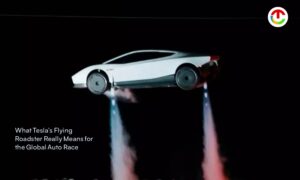
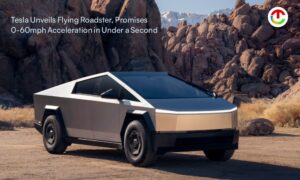
The unveiling of Tesla’s Roadster last week offered a glimpse of the technological overlap between the two businesses. The futuristic electric sports car features rocket thrusters developed using SpaceX technology, providing a visible example of how innovations from one company could be incorporated into the other.
David Nicholson, chief technology adviser at market research firm The Futurum Group, believes a merger is highly likely, describing it as a question of timing. He characterised the Roadster’s unveiling as a symbolic indication of the potential convergence between Musk’s businesses.
A Step Towards Musk’s Mars Ambitions?
The proposed merger could also support Musk’s long-term ambition to establish a self-sustaining city on Mars. Achieving that goal would require substantial advances in transportation, robotics, artificial intelligence, communications and energy systems.
Integrating Tesla’s expertise in automation, batteries and robotics with SpaceX’s launch capabilities and satellite technology could help support such an undertaking, although the practical and financial challenges remain considerable.
Musk’s Broader Corporate Consolidation
The merger proposal follows a wider effort by Musk to consolidate his business interests. Over the past year, Tesla and SpaceX has moved to bring xAI and X, formerly Twitter, into its corporate structure ahead of its planned public-market debut.
Bringing Tesla into the fold would further tighten the links between Musk’s ventures, potentially creating an integrated technology group spanning electric mobility, AI, robotics and space exploration. However, the scale of such a transaction means that financial, regulatory and shareholder considerations will play a crucial role in determining whether it becomes reality.
Also Read :- What Tesla’s Flying Roadster Really Means for the Global Auto Race