
Cary, North Carolina, falls within the Transition Zone. This horticultural zone has humid subtropical climates, with sweltering, moisture-laden summers and unpredictable winters. The environment offers the conditions that fungal pathogens need to survive. Without proper timing, these pathogens can outgrow your lawn, leading to stunted growth. In addition to the favourable air temperature, the region has red clay soil with superior moisture-holding capacity.
During the heavy afternoon thunderstorms, prevalent in this region, the soil becomes waterlogged and can suffocate the grass root systems. Given this, those who want healthy, lush grass must invest in timely care. You want to leverage pH balancing and strategic aeration to break up the soil so the grass can breathe and grow.
So, considering the weather variables and extreme soil conditions in this region, what is the best time to start lawn care? This blog opens your eyes to when lawn care should start in different seasons.
1. Spring Season

Starting lawn care in the spring can impact the growth throughout the year. The care strategies implemented in early March determine whether the lawn will thrive or struggle the rest of the year. It is during this period that crabgrass and other dormant weed seeds grow and start competing with your grass. Neglecting care during this period leaves the grass at the mercy of the weeds as they outcompete it for nutrients and space.
Proper lawn care in early spring addresses the underlying Cary’s soil chemistry. For beginners, the North Carolina clay soil has higher acidic levels, ranging from 6.2 pH. This extremely low level can lock essential nutrients in the ground.
However, Lawn care Cary NC experts can initiate soil testing and lime treatment to neutralize the acidity and unlock your soil’s potential. The strategy allows the early fertilization to bear maximum results, ensuring proper absorption into the root system.
Robust Spring lawn care strategies feed the grass and clean the surrounding mess to optimize growth. It involves applying pre-emergent weed control to stop invaders and custom-blended fertilizer to fill the nutrient gaps of this soil. These strategic care routines ensure the grass develops a thicker and more resilient structure that can withstand the intense sauna effect.
2. Summer Season

The summer months in Cary experience the highest heat levels and extreme dew points. These conditions can stress your turf, making it struggle to survive. In this season, you must offer protective care strategies that defend your turf from biological threats and environmental extremes. Lawn care experts highly recommended fungicide treatments to safeguard the turf against the sauna effect. Proactive fungicide applications create a robust protective layer around the grass blades. That prevents the spores from taking hold during the humid nights, while keeping brown patch and other deadly diseases.
Efficient pest control and grub strategies can help your turf fight the underground battle. These care strategies can protect against beetle larvae and grubs that feed on the root system. Considering they eat the grass from beneath, you can barely tell until the damage is extreme.
Also, strategic mowing in summer offers effective defence against the extreme heat. For optimal results, raise the mower blades to the highest settings. That leaves the turf longer enough to shade the soil beneath, reducing water evaporation and cooling the root crowns. The height encourages deeper root growth, enabling the lawn to have superior structural strength.
3. In the Winter Season
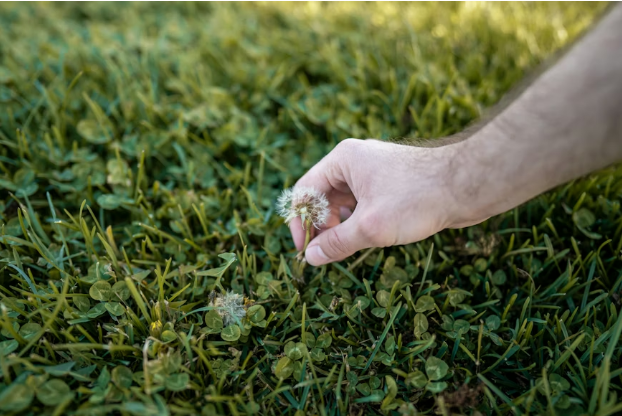
In winter, most turf looks dormant, but the soil remains biologically active. Neglecting proper care in this season leaves an uphill task for Spring. The lack of a strategic winter care strategy allows the hardy cool-season invaders to outcompete your turf. They grow bigger and wilder, making them tricky to eradicate in the spring season. In the winter, your grass is undergoing energy conservation, and minor issues can lead to delayed growth.
Strategic winter weed control strategies are mandatory to keep things going. In this season, expect rampant growth of wild onion, henbit, and chickweed. Post-emergent treatments can do well in cleaning the lawn and eliminating the competitors. The soil is dormant, and eliminating these weeds ensures the turf grows better when the soil warms up in March.
Similarly, winter is the ideal time for equipment maintenance. Thorough mechanical audits give you clear details about the condition of the equipment. It is time to sharpen the mower blades, ready for the spring season. Remember, dull blades shred the grass, leaving jagged, white edges that offer room for moisture to penetrate the fungal spores.
Wrapping Up
Making your Cary, North Carolina, lawn stand out requires strategy and precision. You must align the care routine with the town’s environmental rhythms. You must also work on neutralizing the acidic soil and aerating the red clay soil to allow space for grass to thrive. Additionally, you should be ready to battle the humidity-driven fungi of winter. Introducing a year-round care strategy keeps your turf looking healthy.
It is crucial to be consistent in your care routine, ensuring you handle each step at the right time. Preparing for each season and the challenges it brings can make your lawn care more effective and penetrative. A healthy lawn requires investment in time and care, and knowing when to address issues before they grow bigger is critical.