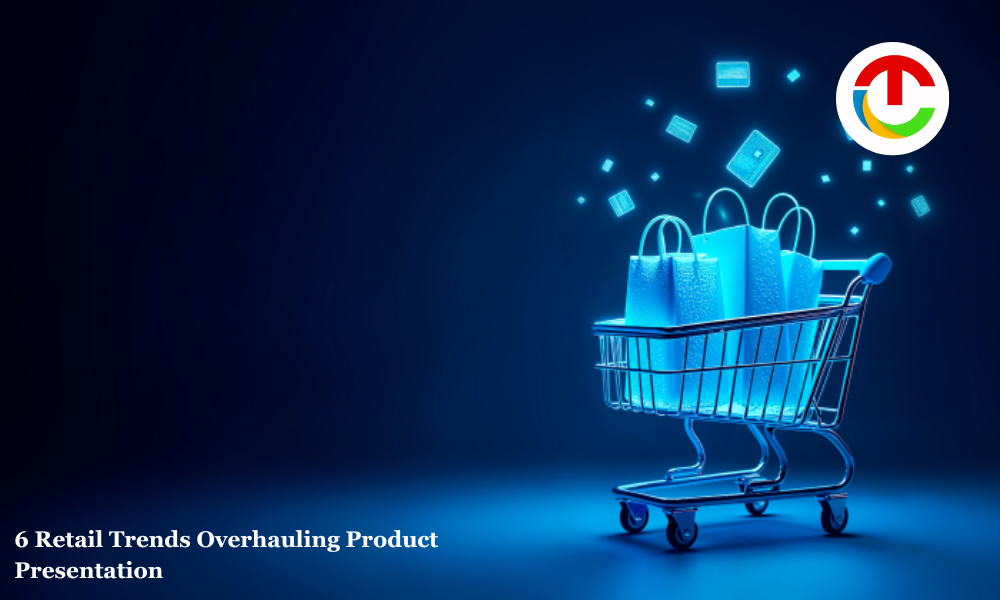
Walk down any retail aisle today, and you will notice that the visual landscape has completely changed. The days of cluttered boxes covered in flashy, oversized text and generic plastic wrappers are fading fast.
Catching a shopper’s eye has never been more difficult. Consumers browse with their phones in hand, their attention spans are shorter than ever, and they are fiercely intentional about where they spend their money. Because of this shift, product presentation has evolved from a basic layer of protection into a vital brand storytelling tool.
To keep your products moving off the shelves, your packaging must do more than just look pretty—it has to communicate value instantly. Here are six major retail trends transforming how modern brands present their products to the world.
Six Major Retail Trends For Product Presentation
1. Eco-Minimalism and the Push for Circularity
How does sustainability impact product presentation today?
Modern consumers demand minimal waste, leading brands to adopt sleek packaging made from raw, recycled, or single-source materials that simplify the recycling process.
Shoppers actively judge a brand by the amount of waste left over after unboxing a product. Excess plastic trays, unnecessary double-boxes, and plastic wrap are now viewed as major red flags.
Embracing sustainable packaging design does not mean your product has to look boring or cheap. Top brands use eco-minimalism to their advantage, leveraging raw cardboard textures, soybean-based inks, and embossed logos to project a premium, earthy aesthetic. By stripping away the clutter, the presentation signals honesty, purity, and environmental responsibility—values that resonate deeply with the modern buyer.
2. Smart Packaging and Interactive Digital Layers
What is smart product presentation?
Smart presentation integrates digital tools like QR codes or NFC tags directly onto physical packaging, bridging the gap between the retail shelf and digital content.
Physical retail real estate is incredibly limited. You only have a few square inches to list your ingredients, share your mission, and explain how to use your product. Smart packaging elegantly solves this problem.
By placing a clean, stylized QR code on the back or side panel, you invite the consumer to unlock a digital layer. A quick scan can instantly show them a short video tutorial, verify your supply chain transparency, or offer a custom coupon for their next purchase. This interactive element keeps your physical design clean while satisfying the consumer’s hunger for deeper brand information.
3. Tactile Sensory Engagement and Premium Textures
Why is touch important in product presentation?
Tactile branding uses premium finishes like soft-touch matte coats, heavy embossing, or linen textures to stimulate a buyer’s sense of touch, creating an immediate emotional bond.
Product presentation is an all-sensory experience. When a shopper stops to pick up an item from the shelf, their hands take over the evaluation process. If your packaging feels flimsy, slippery, or generic, their brain subconsciously labels the product inside as low quality.
Brands are investing heavily in the physical feel of their boxes and labels. Utilizing soft-touch coatings that mimic velvet, or heavy paper stocks that feel like handmade linen, adds a premium weight to the interaction. This tactile feedback makes the consumer linger over the item just a few seconds longer, drastically increasing the likelihood of a purchase.
4. The Omnichannel Sync: Unifying Screen and Shelf
How do brands maintain unified presentation across channels?
Brands match their physical retail packaging with their digital e-commerce imagery, ensuring identical color palettes, fonts, and unboxing layouts.
A major point of friction for modern consumers occurs when a product looks incredible on an Instagram feed or website, but looks entirely different when they spot it on a physical grocery shelf.
Maintaining omnichannel brand consistency is non-negotiable. The unboxing experience a customer enjoys in their living room after an online delivery must match the feeling they get when grabbing that same item from a local boutique. Ensuring that your digital assets and physical boxes feature identical colors, layouts, and font hierarchies removes consumer confusion and reinforces brand familiarity at every single touchpoint.
5. High-Vibrancy Maximalism and Bold Typography
While minimalism dominates the sustainable sector, an opposing trend is emerging for products looking to break through retail noise: high-vibrancy maximalism. To capture attention in crowded categories like functional beverages, snacks, and cosmetics, brands use intense, hyper-saturated color combinations and massive typography that can be read from across the room.
Achieving effective shelf presence optimization requires pristine production quality. When utilizing bright color palettes or fine, intricate fonts, low-quality printing can ruin the look, resulting in blurry text or bleeding edges. To achieve this high-vibrancy shelf presence at scale, brands are bypassing generic digital runs and utilizing advanced flexo label printing to secure rich color matching, custom spot-varnishes, and crisp text definition across large production runs.
Myth vs. Fact: Retail Packaging Realities
1. Myth:
Packaging design is secondary to product quality; if your product is amazing, customers will find it regardless of the box.
2. Fact:
Customers will never discover how amazing your product is if your presentation fails to convince them to pick it up in the first place. Packaging handles the heavy lifting of the first impression.
3. Myth:
Designing complex, multi-layered boxes is the best way to create a premium luxury experience.
4. Fact:
Overly complex packaging frustrates consumers. True luxury design focuses on smooth functionality, intuitive openings, and high-quality materials rather than frustrating structural puzzles.
Retail Presentation Audit Checklist
Before sending your next product design iteration to the printing press, run your mockups through this rapid shelf-readiness check:
1. The 3-Second Rule:
Can a passing shopper tell exactly what your product is and what problem it solves within three seconds?
2. Digital Integrity:
Is your smart QR code large enough to scan easily under standard retail lighting conditions?
3. Material Sustainability:
Can the primary box or bottle be recycled easily by an everyday consumer without specialized tools?
4. Color Fidelity:
Have your color codes been verified across both digital monitors and physical substrates to prevent hue shifts?
6. Narrative-Driven Layouts and “Micro-Storytelling”
What is a narrative product presentation?
Narrative presentation utilizes the limited copy space on a product label to share a concise, humanizing brand story, highlighting origin details or community impact.
Consumers do not just buy what you make anymore; they buy why you make it. They want to align themselves with brands that share their values, support ethical labor, or champion a specific social cause.
Unforgettable packaging leaves behind corporate jargon and lean into micro-storytelling. Use the side or inside panels of your box to share a brief, conversational paragraph about where your ingredients were farmed, the founder’s initial inspiration, or how a portion of the proceeds supports local community initiatives. Humanizing your product changes the transaction from a simple purchase into a meaningful relationship.
Summary
Transforming your product presentation into a competitive advantage requires balancing modern technology with human empathy. Start by stripping away unnecessary packaging waste to satisfy the global demand for sustainable designs. Open a digital portal using smart interactive links to keep your layouts clean, and utilize premium, tactile textures to engage a shopper’s sense of touch. Ensure your physical assets match your digital feeds to secure absolute consistency, use high-fidelity printing methods to make your bold visual choices pop, and weave short, values-driven stories into your copy.
Ultimately, your packaging is your silent salesperson on the floor. By matching your presentation choices with the evolving habits and priorities of the modern buyer, you ensure your product doesn’t just sit on the shelf—it commands attention.
Also Read :- The Hidden Due Diligence Mistakes That Cost Businesses Millions