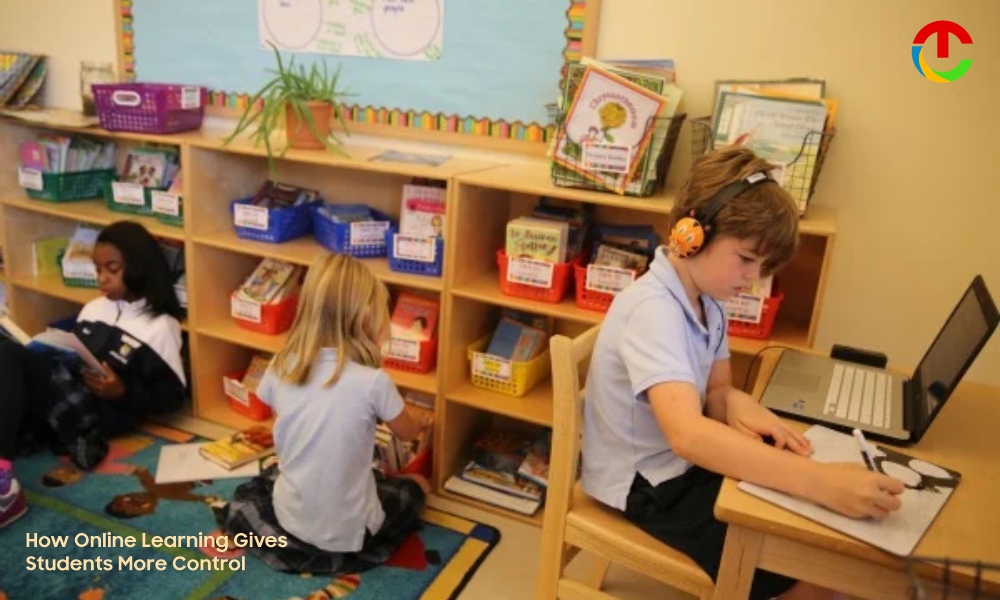
Education does not look the same for every student. Some learners perform well in a traditional classroom, while others need a more flexible schedule, a quieter environment, or additional time to understand challenging lessons. Online learning gives students more control over how, when, and where they complete their schoolwork. A statewide online education program families can access may provide students with structured courses while allowing them to learn in a way that better fits their individual needs. Students still follow academic requirements, complete assignments, communicate with teachers, and work toward educational goals. The main difference is that they have more opportunities to manage their learning experience. This level of control can help students become more confident, organized, and responsible as they progress through their education.
Students Can Learn at a Comfortable Pace
One of the biggest advantages of online learning is the ability to work at a pace that supports the student’s understanding. In a traditional classroom, the entire class often moves through a lesson at the same speed. Students who understand the topic quickly may feel held back, while those who need more explanation may struggle to keep up. Online learning can give students more time to review difficult materials. They may be able to reread instructions, watch lessons again, study examples, or complete additional practice activities before moving forward. Students who master a topic quickly can often continue to the next assignment without unnecessary delays. This flexible learning experience allows students to focus on truly understanding the material instead of simply trying to keep pace with everyone else.
Students Have More Control Over Their Daily Schedule
A fixed school schedule may not work well for every learner. Some students concentrate better in the morning, while others are more productive later in the day. Online education can allow students and their families to create a schedule based on when the student is most focused. Students may organize their day around appointments, athletic training, creative activities, family responsibilities, or other important commitments. They can also plan breaks between subjects to prevent mental fatigue and maintain their attention. Having flexibility does not mean students can avoid their responsibilities. They must still attend required sessions, meet deadlines, and complete their coursework. However, having greater control over their schedule can make school feel more manageable and less stressful.
Learning Can Take Place in a Comfortable Environment
The learning environment can affect a student’s concentration, motivation, and emotional well-being. Busy classrooms may contain distractions that make it difficult for some students to focus. Noise, social pressure, and frequent interruptions can prevent learners from fully engaging with their lessons. Online learning allows students to create a comfortable study area at home or another approved location. They can choose a quiet space, organize their materials, adjust the lighting, and remove unnecessary distractions. Students may also benefit from avoiding long daily commutes and having more time available for schoolwork, rest, and family activities. A calm and organized setting can help students pay closer attention and complete assignments more efficiently.
Students Can Take Greater Responsibility for Their Progress
Online education encourages students to become active participants in their learning. Instead of relying on a teacher to remind them of every task, students often use online calendars, course dashboards, checklists, and assignment schedules to track their responsibilities. These tools can help students learn valuable time-management and organizational skills. They begin to understand how to divide large assignments into smaller steps, plan study sessions, and prepare for upcoming tests. Students also learn that their choices directly affect their progress. Completing work consistently can help them stay on track, while delaying assignments may create additional pressure. This increased responsibility can prepare students for college, career training, and future employment.
Lessons Can Better Match Individual Learning Needs
Every student has different strengths and learning needs. Personalized education allows students to use resources that work best for them, such as videos, written materials, activities, and teacher support. Students enrolled in a statewide online education program in Utah may also receive feedback and guidance from qualified educators, creating a balance between independent learning and teacher assistance.
Students Can Communicate in Different Ways
Some students feel uncomfortable speaking in front of a large classroom. They may understand the lesson but hesitate to raise their hand or ask for help because they are worried about making a mistake. Online Learning Gives Students More Control often provide several communication options. Students may ask questions through email, messaging systems, video meetings, discussion boards, or individual teacher appointments. These methods can make communication feel less intimidating. Written discussions may also give students more time to think carefully before responding. Learners can review the question, organize their thoughts, and provide a clear answer without feeling rushed. Having multiple ways to communicate can help students become more confident and involved in their education.
Students Can Build a Healthier School-Life Balance
School is important, but students also need time for sleep, exercise, family, hobbies, and personal development. A demanding or inflexible schedule can leave students feeling overwhelmed and exhausted. Online learning may make it easier to create a healthier routine. Students can plan schoolwork around their most productive hours and include regular breaks throughout the day. They may have more time to participate in sports, volunteer activities, music lessons, or other meaningful experiences. A balanced routine can support both academic performance and emotional well-being. Students who feel rested and supported may be more motivated to complete their work and participate in lessons.
Conclusion
When students have more control over their education, they can begin to recognize their own learning habits. They discover which study methods help them remember information, how long they need to complete assignments, and when they should ask for assistance. This self-awareness can lead to greater confidence. Students learn that they are capable of making responsible decisions, solving problems, and managing important tasks. They also become more comfortable adjusting their routines when something is not working. Online Learning Gives Students More Control is not simply about completing lessons through a computer. It can help students develop independence, discipline, communication skills, and personal responsibility. With the right structure and support, learners can take greater ownership of their education while continuing to meet important academic expectations.
Also Read :- Why Seeking Local Mental Health Therapists Baltimore Enhances Community Support