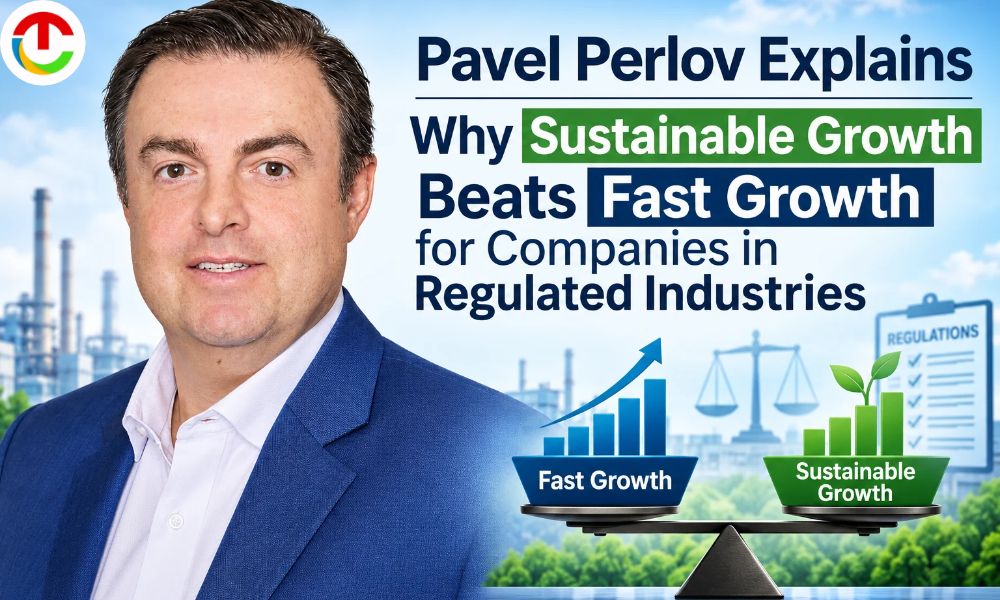
Companies in regulated industries often face pressure to grow quickly, expand their reach, and stay ahead of competitors. However, moving too fast can create challenges when businesses have to manage strict compliance requirements, maintain quality standards, and keep their operations running smoothly. Pavel Perlov highlights the importance of taking a more thoughtful approach to business growth, where long-term stability matters just as much as expansion. Rather than chasing quick results, companies can benefit from building strong foundations, developing reliable processes, and making decisions that support lasting success.
Why Fast Growth Can Create Challenges in Regulated Industries?
Fast growth can look like a sign of success, but it can also put companies in regulated industries under pressure before they are fully prepared. Expanding too quickly may stretch resources, overwhelm employees, and make it harder to keep up with compliance requirements and quality standards. Without proper planning and reliable internal processes, the push to grow can create problems that take more time and money to fix than the expansion was worth.
Understanding What Sustainable Growth Really Means?
Sustainable growth means expanding a business at a pace that its resources, employees, and operations can comfortably support. Instead of focusing only on increasing revenue or reaching new markets, companies also consider financial stability, regulatory responsibilities, and the quality of their services. This approach allows businesses to make steady progress while building a stronger foundation for future opportunities.
1. Building Strong Foundations Before Expanding
Before a company starts expanding, it needs to make sure its existing operations are strong enough to handle the additional demands. Growing a business becomes much easier when the right people, processes, and resources are already in place, especially in industries where mistakes can have serious consequences. Here are some important areas companies should focus on before taking their next big step.
2. Developing Clear Internal Processes
Good internal procedures are very important in the daily functioning of the organization to show employees what they need to do and to enable them to follow them to the letter. Processes that may be acceptable for small companies when they are just starting out are no longer workable when an organization expands.
3. Hiring and Training the Right People
Business growth usually means new staff. But taking on staff too early can leave management feeling overwhelmed by work and problems to solve. Businesses should aim to recruit new staff with the skills they need, and spend time training all staff, providing them with the knowledge of how to do what they should. A competent and trained staff instills more confidence.
4. Creating a Culture of Accountability
Don’t forget your culture, since it’s not only the systems and the finances that can get in the way of growth; your company culture can influence your ability to scale. Employees need to be aware that they must respect the system, escalate issues, and be accountable for their work. This will set a good foundation to keep standards high, even as complexity increases.
How Sustainable Growth Builds Customer Trust and Industry Credibility?
Sustainable growth does more than help a company manage its operations because it also shapes how customers, employees, and business partners see the organization. In regulated industries, people want to work with companies that are dependable, transparent, and consistent in how they deliver their products or services. Taking a steady approach to expansion can help businesses build that confidence over time in several ways.
1. Maintaining Consistent Service Quality
The first time the line of customers has to wait while you get the resources to handle its size, you lose the bulk of the business. Prolonged growth means having the resources to handle customers while letting management take the time to get workflows and employee training up to speed and address system deficiencies. That consistency communicates to customers that you care about their experience.
2. Strengthening Relationships with Business Partners
Suppliers, investors, and other business partners are more likely to want to do business with companies that are stable and managed responsibly. Well-planned growth puts companies in a stronger position to deliver on commitments, manage expectations and build positive relationships. Such relationships are more likely to be helpful as a business looks for new opportunities.
3. Establishing Credibility Through Responsible Practices
In regulated industries, credibility depends on more than delivering good results because businesses must also demonstrate that they follow the rules and take their responsibilities seriously. Maintaining proper records, following industry standards, and addressing concerns promptly can strengthen confidence among customers and stakeholders. Over time, these practices help establish a reputation that supports long-term business relationships and future growth.
Conclusion
Sustainable growth gives companies in regulated industries the opportunity to expand without losing sight of compliance, quality, and operational stability. As Pavel Perlov emphasizes, building a successful business takes more than chasing quick wins because lasting results come from strong foundations, thoughtful leadership, and responsible decisions. In the long run, companies that prioritize steady progress are better prepared to earn trust, handle challenges, and remain competitive in their industries.
Also Read :- How Advanced Electrical Systems Support the Growth of Industrial Automation