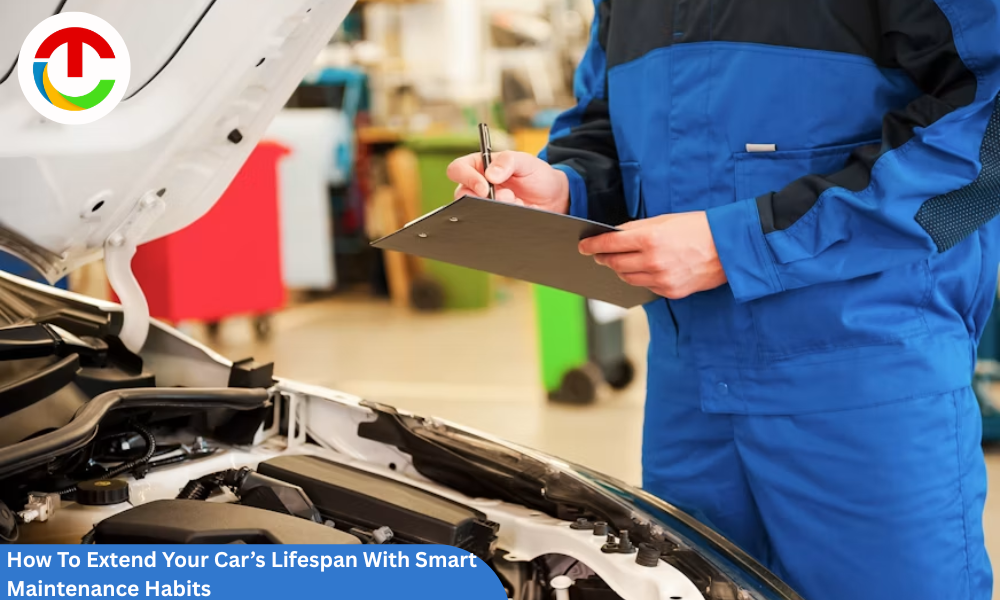
Your vehicle is a major investment, and proper care can help you get more years of reliable performance from it. Extending your car’s lifespan does not always require expensive upgrades or complicated repairs. smart maintenance habits, careful driving, and attention to small issues can make a significant difference over time. By understanding what your vehicle needs and creating a regular care routine, you can protect its value and enjoy a smoother driving experience.
Follow A Consistent Smart Maintenance Habits Schedule
Regular maintenance is one of the most effective ways to keep your vehicle running efficiently. Routine services such as oil changes, fluid checks, tire inspections, and filter replacements help prevent wear and reduce the risk of major mechanical problems. Ignoring these basic tasks can allow small issues to develop into expensive repairs.
Create a maintenance schedule based on your vehicle’s needs and driving habits. Drivers who frequently travel long distances, carry heavy loads, or drive in challenging conditions may need more frequent inspections than those with lighter usage. Keeping track of completed services makes it easier to stay ahead of important maintenance tasks.
1. Check Essential Fluids Regularly
Fluids play a critical role in keeping your vehicle’s systems operating properly. Engine oil helps reduce friction, coolant prevents overheating, brake fluid supports braking performance, and transmission fluid helps maintain smooth operation. Checking these fluids regularly can help identify leaks, low levels, or signs of potential problems.
Do not wait until warning signs appear before inspecting fluid levels. Unusual smells, visible leaks, or changes in vehicle performance may indicate that a fluid-related issue needs attention. Addressing these concerns early can prevent additional damage.
2. Take Care Of Your Tires
Tires affect your vehicle’s safety, handling, and fuel efficiency. Maintaining proper tire pressure helps reduce unnecessary strain on your car and improves overall performance. Underinflated or overinflated tires can cause uneven wear and may shorten tire life.
Make tire inspections part of your regular vehicle care routine. Check for signs of damage, uneven tread wear, and objects that may have become embedded in the tire surface. Rotating tires when recommended can also promote more even wear and help extend their usable life.
3. Improve Driving Habits
The way you drive has a direct impact on your vehicle’s condition. Sudden acceleration, harsh braking, and aggressive driving can place additional stress on important components. Developing smoother driving habits can reduce wear on the engine, brakes, transmission, and tires.
Allow your vehicle time to warm up during colder conditions and avoid unnecessary strain during everyday driving. Small adjustments in how you operate your vehicle can contribute to better long-term reliability and fewer repairs.
4. Address Warning Signs Early
Many vehicle problems begin with minor symptoms that are easy to overlook. Strange noises, unusual vibrations, warning lights, changes in fuel efficiency, or difficulty starting the engine may indicate that something requires attention.
Taking action when you first notice a problem can prevent a minor repair from becoming a major expense. Regular inspections help identify issues before they affect other parts of the vehicle, making maintenance more manageable and predictable.
5. Keep Your Vehicle Clean And Protected
Maintaining your vehicle’s appearance is about more than keeping it looking attractive. Dirt, moisture, and road debris can contribute to corrosion and damage over time. Regular cleaning helps protect exterior surfaces and prevents buildup that may affect certain components.
Interior care is also important for preserving your vehicle’s overall condition. Protecting seats, cleaning surfaces, and keeping the cabin free from excessive moisture can help maintain comfort and value throughout the years.
6. Maintain Your Vehicle’s Emissions System
A properly functioning emissions system supports better vehicle performance while reducing harmful environmental impact. Components involved in emissions control should be inspected as part of regular maintenance, especially as your vehicle gets older.
Keeping up with required inspections can help identify problems that may affect your vehicle’s efficiency. For drivers who need an emissions test in Salem, UT, staying prepared and ensuring the vehicle is properly maintained can make the process easier while supporting responsible vehicle ownership.
7. Replace Worn Parts When Needed
Every vehicle experiences normal wear over time. Components such as belts, filters, brake parts, and batteries eventually require replacement. Waiting too long to replace worn parts can create additional stress on other systems and increase repair costs.
Follow recommended replacement intervals and pay attention to changes in performance. Replacing parts at the appropriate time helps your vehicle operate more efficiently and reduces the likelihood of unexpected breakdowns.
8. Protect Your Vehicle Through Preventive Care
Preventive maintenance focuses on avoiding problems before they occur. Instead of waiting for a breakdown, vehicle owners can take proactive steps to preserve performance and reliability. This approach often saves money by reducing the need for emergency repairs.
A simple checklist can make preventive care easier to manage. Include tasks such as checking tire pressure, monitoring fluid levels, scheduling inspections, and reviewing maintenance records. Consistency is the key factor in keeping your vehicle dependable.
9. Build A Long-Term Vehicle Care Routine
Developing a routine makes vehicle maintenance less overwhelming. Set reminders for important services and make inspections part of your regular schedule. Staying organized allows you to address maintenance needs before they interfere with your daily plans.
Long-term vehicle care also includes understanding your car’s unique requirements. Every vehicle has different service needs based on age, mileage, and driving conditions. Learning what supports your vehicle’s performance helps you make better decisions throughout ownership.
Conclusion
Extending your car’s lifespan is possible with consistent attention, responsible driving habits, and preventive maintenance. Simple Smart Maintenance Habits habits actions such as checking fluids, caring for tires, addressing warning signs, and following service schedules can help protect your vehicle for years to come. A well-maintained car offers better reliability, improved performance, and fewer unexpected expenses, making regular care a valuable investment in your vehicle’s future.
Also Read :- 5 Engineering Challenges in Smart Manufacturing