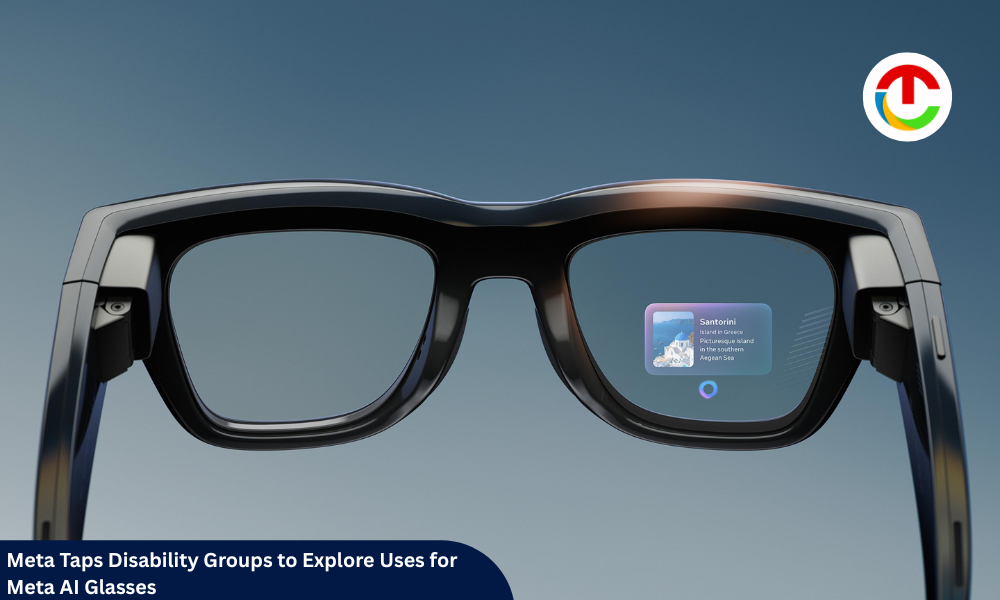
Meta is expanding efforts to understand how AI-powered smart glasses can improve accessibility, independence and workplace support for people with disabilities, committing nearly $2 million in grants to organizations developing practical applications for the technology.
The parent company of Facebook and Instagram said the funding will support 30 organizations across 18 US states. About a dozen recipients are focused specifically on disability-related needs, while other projects will explore applications in workforce safety, education, agriculture and economic opportunity.
Supporting Greater Independence
Meta AI Glasses offer hands-free access to features including photography, video recording, calls, music and conversations with an AI assistant. The company said recipients were selected based on their demonstrated impact, scalability and the potential for hands-free technology to address challenges within their communities.
Among the funded projects is an initiative by United Spinal Association in New York. The organization plans to provide wheelchair users with Meta AI Glasses to document accessibility barriers in parks and other public spaces. The information gathered could then be shared with local authorities and parks departments to encourage improvements.
The Illinois Assistive Technology Program will explore another application, using Meta AI Glasses to provide people with intellectual and developmental disabilities with hands-free workplace assistance, task guidance and tools designed to improve job readiness, confidence and independence.
Meta AI Glasses Across Education and Daily Life
The Arc Davidson County & Greater Nashville will use the technology as a voice-first assistive tool aimed at helping people with developmental disabilities become more independent.
At the University of North Texas, students with disabilities will receive Meta AI Glasses to support classroom access and independent participation across campus.
Other grant recipients include Easter Seals Greater Houston, the American Council of the Blind, Braille Institute of America, The Carroll Center for the Blind, VisionCorps, Easterseals Iowa, PACER Center and Deaf Equality.
Privacy Concerns Remain
Despite the potential benefits, Meta AI Glasses have also raised privacy concerns. The devices can discreetly capture photos and videos, prompting criticism following incidents in which users covertly recorded other people and posted footage online.
Some critics have even labelled the products “pervert glasses,” highlighting concerns around consent, surveillance and responsible use.
As Meta-backed organizations begin testing the glasses in real-world settings, the initiatives could provide valuable insight into both the technology’s accessibility potential and the safeguards needed to ensure its adoption remains responsible.
Also Read :- Meta Unveils AI Image Generator ‘Muse Image’ Amid Privacy Concerns