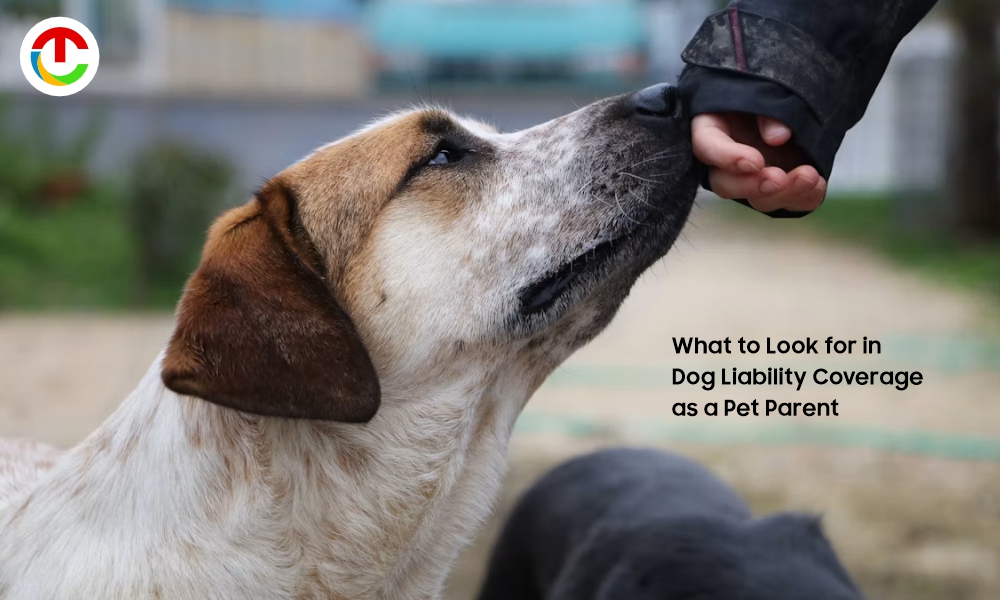
Owning a dog brings joy, companionship, and bonding. Not surprisingly, dogs are the most popular pets in the US. PetGuide.com shares interesting data from a 2024 survey, showing that 51.51% of American households owned dogs. Moreover, 232,867 monthly searches indicated that people were interested in canine companions. Cats were number two, with around 37.11% of households owning them, and 134,200 monthly searches proving interest in feline companions.
These numbers show how well dogs are loved, but having them brings responsibility, including financial responsibility if it ever injures someone. Liability insurance is essential to protect pet parents in such events. While many homeowners and renters policies include dog bite liability coverage, significant gaps can leave pet parents exposed to costly claims.
Understanding what to evaluate before an incident occurs is essential for protecting your assets and peace of mind. In this article, we will share a list of features you must look for when buying dog liability insurance.
Check What the Policy Actually Covers
Not all liability policies treat dog-related incidents the same way, so you should not just pick the first one you come across. When considering dog liability insurance coverage options, start by confirming whether your policy explicitly covers dog bites and other dog-caused injuries under its personal liability section.
Additionally, coverage should ideally apply both on and off your property, since bite incidents can happen anywhere. Many policies extend protection if your dog bites someone at a park, on a walk, or while staying with a friend.
Also, verify what types of costs are included. These could be medical expenses for the injured party, legal defense fees if you’re sued, settlement or judgment amounts, and property damage caused by your dog.
Also confirm whether coverage applies to all household members or only the named policyholder. Some policies exclude incidents involving certain residents or require all dog owners in the household to be listed on the policy. Review these factors carefully before sealing the deal.
Pay Close Attention to Coverage Limits
According to the Insurance Information Institute, Homeowners and renters insurance policies cover dog bite liability legal expenses up to the liability limits. This is typically $100,000 to $300,000. For a claim exceeding the limit, the pet parents bear all damages exceeding that amount.
Dog bite claims have been averaging over $65,000 in recent years. Severe incidents can easily exceed six figures when medical bills, lost wages, and legal fees are included. Evaluate whether your current limit would adequately protect your savings, investments, and other assets. If your net worth exceeds your liability coverage, you could lose a lot.
Discuss with your insurance agent whether increasing your base liability limit or adding an umbrella or excess liability policy makes sense. Umbrella policies often provide an additional $1 million or more in coverage at a relatively modest premium. This can be a cost-effective way to close protection gaps.
Understand Breed, Bite History, and Other Exclusions
Exclusions are among the most critical aspects of dog bite liability coverage, and they are often overlooked. Many insurers maintain restricted breed lists that can void coverage entirely for certain dogs.
US News reports that restrictions are based on their aggressive behavior or perceived risk of biting. Pit Bulls, Rottweilers, Doberman Pinschers, German Shepherds, Chow Chows, Akitas, Mastiffs, and wolf hybrids are among the restricted breeds. Notably, lists may vary by carrier, and breed discrimination laws may also vary by state.
Even if your dog’s breed isn’t excluded, a documented bite or aggressive-behavior history can trigger exclusions. Some policies automatically exclude any dog with a prior bite record. Others may non-renew your policy or require a liability waiver after an incident. Insurers may also impose specific conditions for coverage, such as requiring obedience training, secure fencing, or muzzling in public.
Compare Standalone and Existing Insurance Options
Begin by reviewing the liability section of your current homeowners or renters policy. You can request a copy of your declarations page and any endorsements related to animal liability. Then compare its coverage scope, exclusions, and limits with standalone dog liability insurance options or specialized pet liability policies.
In some cases, a personal umbrella policy may provide broader, more cost-effective protection than a standalone pet liability policy. Investopedia explains that an umbrella policy offers extra liability coverage that surpasses the limits of standard insurance. By buying it, you get protection against potential lawsuits for injuries to others or property damage.
It makes sense if you already have substantial assets to protect. Ensure any additional policy coordinates with your existing coverage instead of creating gaps or overlaps. For example, confirm whether the standalone policy is primary or excess, and whether it covers incidents excluded by your homeowners policy.
Review the Policy Before You Actually Need It
A WSAW feature highlights that 193 dog bite or exposure reports were received by the Marathon County Health Department in 2025. Dale Grosskurth, environmental health resources coordinator for the department, noted that victims include UPS drivers and delivery persons bitten while delivering packages because the dog was not secured.
As an owner, you should be prepared for such incidents because they are more common than you imagine. The worst time to discover a coverage gap is after your dog has injured someone. Read your policy’s exclusions, conditions, deductibles, and claims requirements carefully before an incident occurs.
Revisit your coverage whenever you move, change insurers, adopt another dog, or if your pet develops a bite history. Life changes can affect your risk profile and coverage needs. Consider discussing your specific situation with an insurance professional who understands pet liability. They can help ensure your coverage matches your financial exposure and risk tolerance.
FAQs
1. Does homeowners’ insurance cover dog bites?
Often, yes. Most homeowners and renters policies include dog bite liability under personal liability coverage, but protection depends on policy terms, breed exclusions, bite history, and liability limits. Always verify coverage specifics with your insurer.
2. What happens if a dog bite claim exceeds my coverage limits?
You may be personally responsible for damages, legal fees, and medical expenses above your policy’s liability limit. An umbrella or excess liability policy can provide additional protection for high-value claims.
3. Should I get a standalone pet liability insurance?
It depends. If your homeowners or renters policy excludes your dog or offers insufficient limits, standalone pet liability or an umbrella policy may be worthwhile. Compare coverage scope, cost, and exclusions before deciding.
Key Takeaways
| Insurance & Dog Bite Factor | Key Data / Insight |
| U.S. households owning dogs | 51.51% |
| Dog-related monthly searches | 232,867 |
| Typical homeowners/renters liability limit | $100,000–$300,000 |
| Average dog bite claim | $65,000+ |
| Umbrella insurance coverage | $1 million+ additional protection |
| Marathon County dog bite/exposure reports (2025) | 193 reports |
| Commonly restricted breeds | Pit Bulls, Rottweilers, Dobermans, German Shepherds, Akitas, Mastiffs, and others |
Dog bite liability coverage deserves the same careful review as any major part of a household insurance plan. Do not assume that a standard homeowners or renters policy automatically protects you in every situation. Confirm the policy’s liability limits, breed restrictions, bite-history rules, off-property protection, and exclusions in writing. Reviewing your protection regularly helps you make responsible decisions for your dog, visitors, and financial future.
Also Read :- Types of Insurance for Cleaning Companies Should Be Aware Of