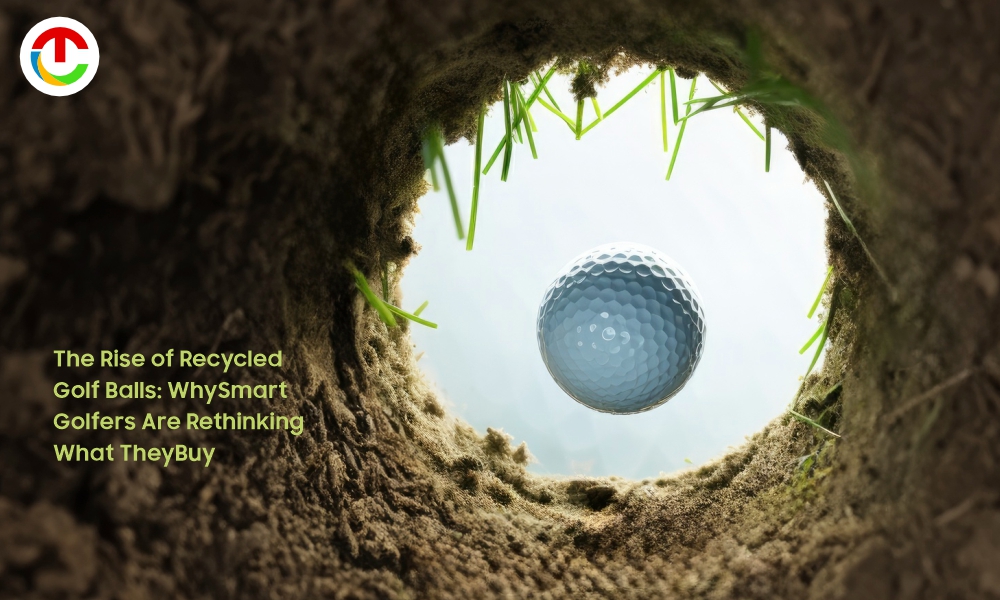
Last September, I watched a guy pull up to the first tee at a municipal course outside Austin, unzip a pouch, and drop a scuffed ball that looked like it had survived three hurricanes. He birdied the hole. His playing partner, who’d paid full retail for a fresh sleeve that morning, made triple bogey. That single hole says more about the recycled golf balls market than any chart I could show you.
Golf balls are consumable goods, and most of them vanish into ponds, woods, and backyard fences within a season. Retailers have built an entire secondary market around recovering those balls, sorting them by condition, and reselling them to players who’d rather spend their money on greens fees than on premium sleeves. It’s a real market with real standards, not a bin of mystery recycled golf balls behind a pro shop. Here’s what you should know before you buy a single one.
Why would anyone buy a used golf ball on purpose?
Because the cost difference is not subtle. A new dozen from one of the top brands can run you north of forty dollars, while a comparable recycled dozen often lands somewhere in the low teens. If you lose three or four balls per round, that gap compounds fast. During a season of weekly play, you’re looking at hundreds of dollars of difference, money you could put toward a new wedge, a round at a nicer course, or literally anything else.
The bigger shift is mental. When a ball costs three dollars, a water hazard feels personal. When it costs a buck, you swing freer. I’ve watched high handicappers tense up over expensive balls and then loosen up the instant they switch to a cheaper sleeve. That’s not a small thing. Golf rewards a relaxed swing more than it rewards a glossy box.
What the FTC says about “recycled” claims
Words like recycled and refurbished get thrown around loosely in the resale world, and the Federal Trade Commission enforces rules about what environmental and condition claims actually mean in advertising. If a seller tells you a ball is recycled, there should be a real recovery and cleaning process behind that word, not just a diver pulling balls out of a pond and tossing them in a bucket. Ask about the process.
Good sellers will explain it without hesitation. In practice, most used inventory falls into a few recognizable tiers. Mint or AAA grade means the ball looks and performs essentially like new, maybe with a faint logo stamp. Near mint or AA shows light cosmetic wear but no structural issues. The lower grades show discoloration, minor scuffs, or printing fade, and those are best saved for practice buckets or a range session where you’re just grooving your swing.
A quick way to grade any ball you pull out of a used bin
I use a simple three-point check I call the Roll, Ring, and Squeeze test. It takes about ten seconds per ball and it’s caught more problems for me than any printed grade label.
- Roll it across a flat counter or table. A ball with a real structural defect wobbles or tracks to one side.
- Ring it by tapping it against a hard surface while holding it near your ear. Premium balls produce a clean, consistent tone. A dull thud often means internal damage or waterlogging.
- Squeeze it gently between thumb and forefinger at the equator. You should feel firm resistance with maybe a hair of give on softer models. A mushy ball has likely absorbed too much pond water to be trusted.
None of that requires equipment. You can do it in the shop before you pay, and any seller worth their salt will let you. If someone won’t, walk.
The brand question: why brand-mixed bags and single-brand bags play differently
One thing inexperienced buyers get wrong is mixing four or five random brands into the same pouch without thinking about it. Different balls fly differently. If you’re chasing consistency, pick a brand family you trust and stay inside it for a round. That’s one reason a dedicated brand page makes more sense than a grab bag when you’re trying to actually improve, and you can browse Bridgestone to see what a single-brand lineup looks like when it’s sorted cleanly by model and condition.
The grab-bag approach has its place. If you’re a beginner playing casual rounds, don’t overthink it. Buy a mixed bucket of fifty, lose half of them learning to hit a driver, and treat the loss as tuition. But the moment you start caring about your score, brand consistency becomes one of the cheapest performance upgrades available.
Where do all these Recycled Golf Balls actually come from?
Recovery operations range from casual walkers with a ball retriever to commercial divers working ponds and creeks on private courses. The Environmental Protection Agency has documented how much material ends up in landfills and waterways each year, and golf balls are a small but stubborn part of that picture. A ball can sit in a pond for years without breaking down. Recovering it and putting it back into play keeps that raw material in circulation instead of letting it silt up a drainage ditch.
Anecdotally, the recovery cycle also creates a strange kind of local economy. Courses near water-heavy layouts sometimes work with independent divers who pay for access rights. Those divers sort on the spot, bag the premium models, and sell the lower grades in bulk. It’s a legitimate small business for a lot of people, and the price differences you see between sellers often trace back to how much sorting labor went into the product.
How to avoid getting burned?
Buy from a seller who publishes a clear condition scale and shows real photos of the actual product, not stock images. Read the scale carefully, because “grade A” means wildly different things across the industry. Check whether the listing specifies whether logos are reprinted or original. And compare the per-ball price rather than the per-dozen price, since dozen counts sometimes vary by a ball or two in mixed lots.
If you play a course with a lot of water, buy in bulk and accept that you’ll lose some. If you play a tight, dry, private layout, a smaller premium order makes more sense. Your course dictates your consumption rate, and your consumption rate dictates how much inventory you should keep in your bag.
The bottom line
Recycled golf balls are not a compromise. They’re a rational purchase for anyone who plays more than a handful of rounds a year and doesn’t want to fund a premium ball habit out of pure vanity. The performance gap between a properly graded used ball and a brand-new one is, in most amateur hands, invisible. The price gap is not.
So the next time you duck into the trees looking for a lost ball, think about where it’s going to end up. Someone’s bag, someone’s pond, or back in play for a dollar a pop. Start with a small order, run your own Roll, Ring, and Squeeze check, and see whether your score moves. You might find you play better with a cheaper ball, and that’s a pretty easy trade to say yes to.
Also Read :-Recycled Golf Balls: Why Smart Golfers Buy Them & How to Choose ? | CIO Times Magazine