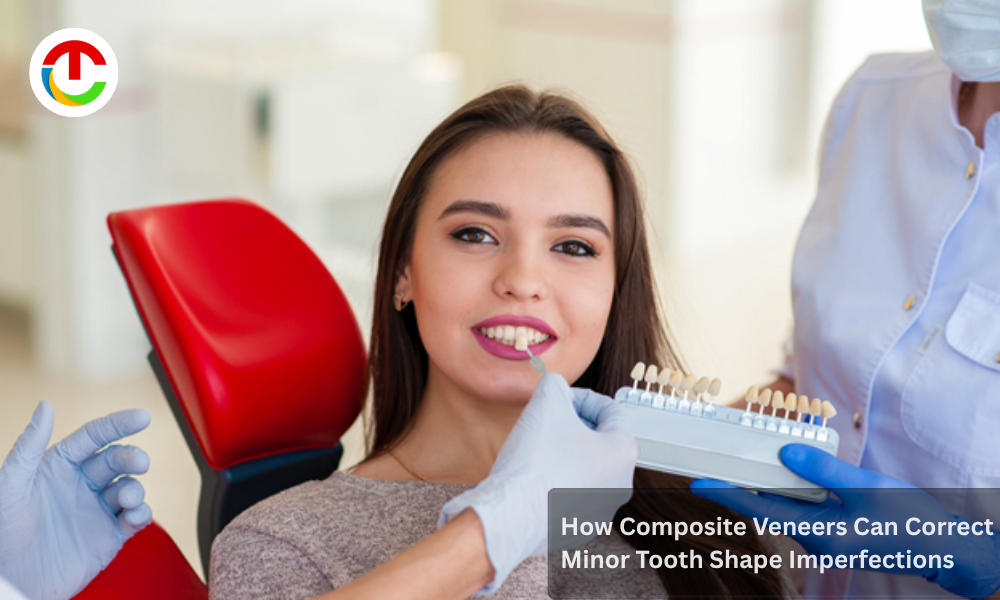
A smile can be affected by small differences in tooth length, width, contour, or symmetry, even when the teeth are healthy. Composite veneers offer a conservative cosmetic option for improving these details by adding tooth-colored resin to selected surfaces. For patients exploring composite veneers in Dubai, understanding how the material is shaped, bonded, and polished can make treatment expectations clearer.
The approach may help with minor imperfections such as uneven edges, small chips, worn areas, or teeth that appear smaller than neighboring teeth. A dental assessment remains important before treatment to determine whether veneers are appropriate.
What Are Composite Veneers?
Composite veneers are thin layers of tooth-colored composite resin placed over the visible front surface of a tooth. Unlike laboratory-made porcelain veneers, composite material can be directly applied and sculpted by a dentist. This allows the clinician to build up specific areas without necessarily covering the entire tooth with a prefabricated shell.
The treatment is mainly cosmetic. It can improve the apparent shape, proportion, and surface appearance of teeth while maintaining a natural-looking smile. The clinic describes composite veneers as a faster, minimally invasive option that may require less tooth preparation, depending on individual needs. Veneers can also address minor differences in tooth shape and size.
Which Shape Imperfections Can They Correct?
One of the main advantages of composite bonding is its ability to make small, controlled changes. If one front tooth looks shorter than another, resin can be added to its edge to create a more balanced appearance. A narrow-looking tooth may also be built out slightly to improve proportion.
Composite material may help with:
- Uneven or irregular tooth edges
- Small chips or worn corners
- Slight differences in tooth length
- Teeth that appear undersized
- Minor gaps between teeth
- Mild shape asymmetry
- Small surface irregularities
These corrections are not intended to replace orthodontic or restorative treatment when a patient has significant alignment, bite, structural, or oral health problems. Suitability depends on the condition of the teeth and gums, bite relationship, and desired result.
How Does the Treatment Change Tooth Shape?
The process begins with a consultation. The dentist examines the teeth, discusses the patient’s concerns, and considers the desired shape and overall smile appearance. The clinician may assess how each tooth relates to neighboring teeth, the gum line, facial features, and the patient’s natural smile.
When treatment is appropriate, the tooth surface is prepared as needed. Composite resin is placed in carefully controlled layers. The dentist can shape the material directly, adding volume where the tooth looks too narrow, extending an edge where it looks short, or smoothing an irregular contour.
Once the desired form has been created, the resin is hardened and refined. Shaping and polishing are important because they help the treated tooth blend with surrounding teeth. The final contour should support a natural appearance rather than making the tooth look artificially uniform.
How Can Composite Veneers Improve Smile Proportion?
A pleasing smile is not simply about having very white teeth. Shape, length, width, spacing, and symmetry all influence how teeth appear together. Small discrepancies can draw attention when one tooth looks noticeably different from its neighbors.
Composite resin gives the dentist the ability to make incremental changes. Extending a slightly short incisor can make the front teeth appear more balanced. Adding material to a small corner can restore a smoother outline after minor wear or chipping. Closing a small space with carefully shaped resin can also make the arrangement look more harmonious.
Composite Veneers vs. Other Veneer Options
Patients considering cosmetic dentistry may encounter composite, porcelain, Feldspathic, and Emax veneers. Each material has different characteristics, and the right choice depends on individual goals and dental condition.
Composite treatment may appeal when someone wants a more conservative approach to a limited cosmetic concern. It allows direct shaping and adjustment. Porcelain options may provide different aesthetic and durability characteristics and are fabricated according to an individualized treatment plan.
The choice should not be based only on appearance or price. A dental professional can assess tooth structure, bite, desired finish, and maintenance requirements before recommending an option.
What Should Patients Expect After Treatment?
Good brushing and flossing habits remain essential. Regular dental visits can help monitor treated teeth and identify changes early. Patients should avoid habits that place excessive force on veneered teeth, such as biting hard objects. Following professional aftercare guidance can help preserve the shape and polish of the restoration.
Who May Benefit From Composite Veneers in Dubai?
People with healthy teeth and gums who have minor cosmetic concerns may be considered for composite veneers. Typical concerns include small chips, uneven shapes, minor gaps, or differences in tooth length. However, veneers are not a universal solution. Untreated decay, significant gum disease, major structural damage, or complex bite issues may require other treatment first.
A consultation allows the dentist to determine whether the concern is cosmetic and whether adding composite resin is likely to achieve the desired result. Patients can discuss shape, shade, symmetry, treatment scope, maintenance, and alternatives.
How Can You Choose the Best Treatment Approach?
When searching for the composite veneers in Dubai, patients should consider more than comparing prices. The quality of the consultation, cosmetic planning, material selection, tooth preparation, bonding technique, and finishing all matter. Patients should look for a treatment plan based on their individual teeth rather than a standard smile design.
A well-planned result should complement natural features and function comfortably. The dentist should explain what composite veneers can and cannot correct, helping patients maintain realistic expectations.
Conclusion
Minor tooth shape imperfections can noticeably affect smile balance, but they may not require extensive treatment. Composite veneers can provide a conservative way to refine contours, improve proportions, and address selected cosmetic concerns. For patients considering composite veneers in Dubai, a professional consultation can determine suitability, discuss realistic expectations, and help create subtle, natural-looking improvements tailored to individual dental needs.
For personalized cosmetic dentistry and carefully planned smile improvements, consider expert care from Queens Medical Center. They provides comprehensive dental care in Dubai, with services covering cosmetic dentistry, veneers, Digital Smile Design, Invisalign, braces, dental implants, pediatric dentistry, and general dental treatments. Their experienced team combines personalized treatment planning, modern technology, and patient-focused care to support healthy, confident smiles, with careful attention to comfort, aesthetics, and detail.
Also Read :- Why Early Dental Visits Shape a Lifetime of Healthy, Confident Smiles