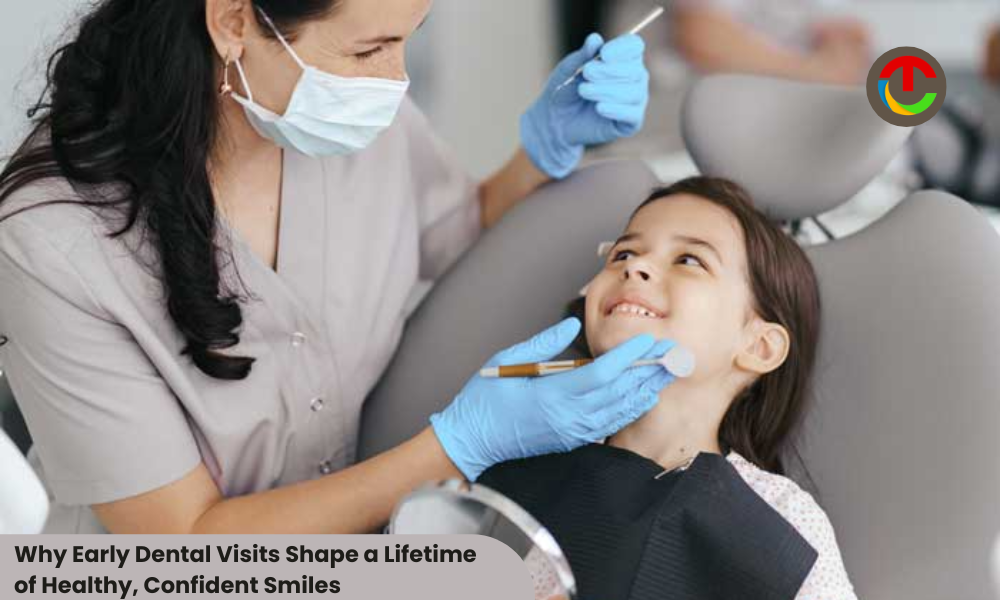
The foundation of lifelong oral health begins much earlier than many parents realize. Scheduling a child’s first Early dental visits at an age helps identify potential concerns before they become larger problems while creating positive experiences with dental care. These early appointments support healthy habits, monitor growth, and encourage confidence that can lead to better oral health throughout childhood and adulthood.
The Importance of Starting Dental Care Early
Many people assume dental visits should begin only after all baby teeth have appeared. In reality, early appointments provide valuable opportunities to evaluate oral development, educate caregivers, and establish preventive care. Dentists can assess how teeth are erupting, examine the gums, and identify habits that may influence future oral health.
Early visits also help children become familiar with the dental environment. Instead of associating appointments with discomfort or emergencies, they learn that routine checkups are a normal part of staying healthy. This familiarity often reduces anxiety during future visits and encourages lifelong consistency in dental care.
Parents also benefit from professional guidance tailored to their child’s developmental stage. Topics such as teething, proper brushing techniques, fluoride use, nutrition, and thumb-sucking can all be discussed before they contribute to more significant concerns.
1. Preventing Small Problems Before They Grow
Preventive care is one of the greatest advantages of early dental visits. Tooth decay remains one of the most common childhood health conditions, yet it is often preventable with regular examinations and proper oral hygiene practices.
Routine checkups allow dental professionals to identify early signs of cavities, enamel weakness, gum irritation, or bite development issues before they worsen. Addressing these concerns promptly often requires less invasive treatment while protecting the child’s comfort.
Preventive appointments may include:
- Professional cleanings to remove plaque buildup.
- Fluoride treatments that strengthen developing teeth.
- Evaluations of tooth eruption patterns.
- Monitoring jaw growth and bite alignment.
- Personalized home-care recommendations.
By catching issues early, families can often avoid more complex procedures that may become necessary when problems remain untreated for extended periods.
2. Supporting Healthy Daily Habits
Children develop routines quickly, making the early years an ideal time to reinforce healthy behaviors. Dental professionals can demonstrate proper brushing and flossing techniques in ways children understand while helping parents create effective home routines.
Consistent encouragement during routine visits reinforces the importance of caring for teeth every day rather than only when discomfort appears. These positive lessons often remain with children as they become teenagers and adults.
3. Monitoring Growth and Development
Children’s mouths change rapidly as they grow. Teeth erupt, jaws develop, and facial structures continue to mature over several years. Regular dental evaluations help ensure these changes occur as expected.
Dentists monitor spacing, alignment, bite relationships, and overall oral development during each visit. When concerns are identified early, families have more treatment options and better opportunities to guide healthy development.
In certain situations, specialized procedures such as pediatric oral surgery in Portland may be recommended when developmental conditions, impacted teeth, or other concerns require advanced care. Early evaluations make it easier to recognize when additional treatment may be beneficial and when simple monitoring is sufficient.
4. Identifying Habits That Affect Oral Health
Children naturally develop habits that may influence tooth positioning or jaw growth. Thumb-sucking, prolonged pacifier use, tongue thrusting, and certain breathing patterns can all affect oral development if they continue beyond appropriate ages.
Routine dental visits provide ongoing opportunities to evaluate these habits and recommend gentle strategies that encourage healthier development without unnecessary intervention.
5. Building Confidence Around Dental Care
Positive early experiences often influence a child’s attitude toward dental care for many years. Children who attend routine appointments are more likely to feel comfortable asking questions, cooperating during examinations, and understanding the importance of preventive care.
This confidence benefits families as well. Parents become more informed about what to expect during different developmental stages and gain reassurance that their child’s oral health is progressing appropriately.
Reducing fear also makes future treatments easier if they ever become necessary. A child who already trusts the dental team is generally more relaxed during procedures than one whose first visit occurs because of pain or injury.
Creating positive associations with dental care also encourages greater independence. As children mature, they become more willing to brush thoroughly, make healthier food choices, and understand how daily habits influence their smiles.
The Long-Term Benefits of Early Dental Visits
Healthy baby teeth do much more than create attractive smiles. They support speech development, proper chewing, nutrition, and the guidance of permanent teeth into their correct positions. Protecting these early teeth contributes to healthy oral development throughout childhood.
Regular preventive care also supports overall health. Oral conditions can sometimes reflect broader health concerns, making routine examinations an important component of comprehensive wellness. Identifying concerns early allows families to respond promptly and maintain better long-term outcomes.
Children who establish consistent dental routines frequently carry those habits into adulthood. Regular examinations, effective brushing and flossing, balanced nutrition, and preventive care become familiar parts of daily life instead of occasional responsibilities.
Over time, this consistency may reduce the likelihood of extensive restorative treatments while preserving natural teeth and supporting better oral health across every stage of life.
Conclusion
Early dental visits offer far more than routine examinations—they establish healthy habits, encourage confidence, and support proper oral development from the very beginning. By emphasizing prevention, monitoring growth, and educating families, these appointments help children build strong foundations for lifelong oral health. Beginning dental care early is a simple yet meaningful step toward protecting healthy smiles for years to come.
Also Read :- Five Metrics That Strengthen Healthcare Operations Through EHR Data Insights