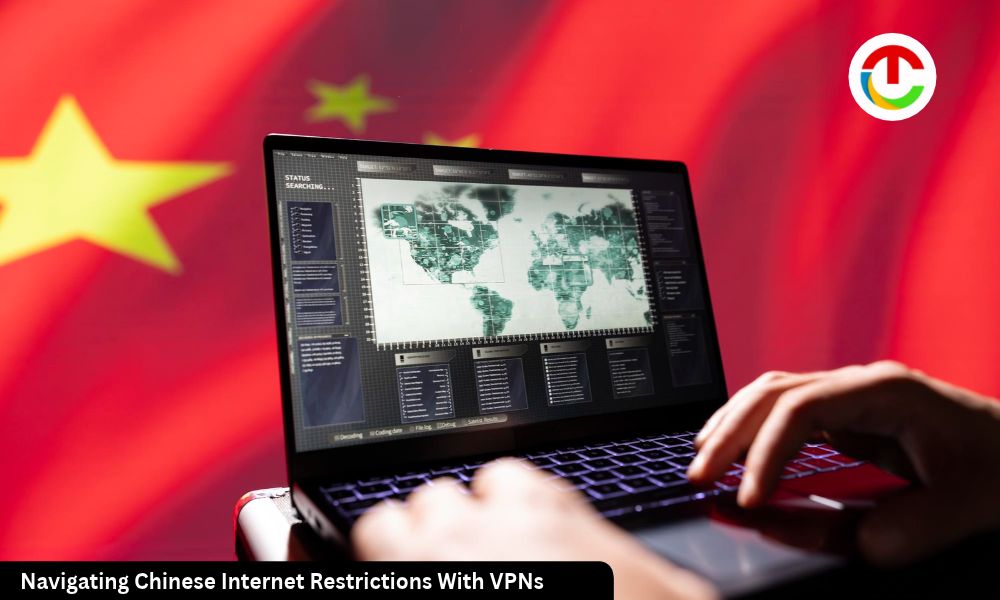
China runs one of the most advanced filtering systems in the world. Google, WhatsApp, Instagram and many news sites are blocked. Travelers, students and remote workers notice this within minutes of landing. A VPN is the usual fix. But most Best VPN for China fail there. This guide explains why and what actually works for making Best VPN for China.
How the Great Firewall Filters Traffic?
The Great Firewall works in layers. Each layer targets a different part of your connection.
- DNS poisoning: Blocked domains return false addresses.
- IP blocking: Known server addresses are dropped at the border.
- SNI filtering: The server name in a TLS handshake is read and reset.
- Deep packet inspection (DPI): Traffic is matched against known protocol signatures.
- Active probing: The system contacts suspect servers to confirm what they run.
Together, these layers catch most standard VPN traffic.
Why Standard VPN Protocols Fail for Best VPN for China?
Most VPN protocols have a recognizable fingerprint. OpenVPN uses a distinct handshake. WireGuard uses fixed packet sizes and structure. IPSec and L2TP are easy to spot. DPI flags them. The connection is then throttled or reset.
Provider websites are blocked as well. Foreign VPN apps are also missing from Chinese app stores. You need to install everything before you arrive for Best VPN for China.
What Makes the Best VPN for China?
Picking a VPN for China starts with one question. Can it hide the fact that it is a VPN? You can compare the best VPN for China in this tested ranking. Look for these features first.
- Obfuscated servers that disguise traffic as normal HTTPS
- Support for Shadowsocks, V2Ray or a proprietary stealth protocol
- Port 443 fallback
- Frequently refreshed server IPs
- Servers in nearby regions such as Japan, Singapore and South Korea
- A no-logs policy backed by an independent audit
1. Protocols That Still Get Through
Shadowsocks is an encrypted proxy built to look like random data. It is lightweight and fast. V2Ray with VLESS and Reality mimics a real TLS session with a legitimate website. Trojan copies standard HTTPS behavior. Proprietary stealth modes wrap VPN traffic inside TLS.
None of these are permanent solutions. Censors adapt. A protocol that works this month may be throttled next month. Good providers push updates often.
2. Speed and Latency Tradeoffs
Obfuscation adds overhead. Expect lower speeds than a normal VPN. Packet wrapping and long routes increase latency. Cross-border links also get congested in the evening.
Choose servers close to China. Try UDP-based options first. Switch to TCP when packets drop. Avoid stacking multiple hops unless you need them.
Split tunneling helps. Route only blocked apps through the VPN. Domestic apps keep local speeds. Some Chinese apps also react badly to VPN traffic, so this keeps them stable.
3. Set Up Before You Land
Preparation matters more than any single setting.
Install two or three VPN apps on every device. Save manual configuration files offline. Activate your subscription before departure. Test the connection on mobile data, not only on Wi-Fi. Keep your operating system updated.
Consider an eSIM with international roaming. Roaming traffic routes through the home network. It often bypasses the firewall without a VPN. Speeds can be slower and data costs higher.
4. Expect Disruptions
Connectivity can change without warning. In August 2025, people across China lost access for about an hour. The Freedom House 2026 country report on China says the cause was likely a misconfiguration of the Great Firewall. Researchers documented an unconditional block on port 443 traffic during the event.
The same report gives China an internet freedom score of 9 out of 100. Keep a backup protocol and a backup provider ready.
5. Legal Risks to Understand
VPN use is regulated mainly by State Council Decree No. 195 and the 2017 Cybersecurity Law. Only state-approved VPNs are lawful. Penalties have been harsher for Chinese citizens and for people who sell unapproved services. Reports of international travelers being arrested solely for VPN use are not verified.
Rules can still change. Check current guidance before you travel.
Key Takeaways
Use a VPN with real obfuscation. Install it before arrival. Carry a backup protocol and a backup provider. Treat every setup as temporary and test it often. Respect local law and stay informed.
Also Read :- How Does the Best VPN for Privacy Protect Your Online Data