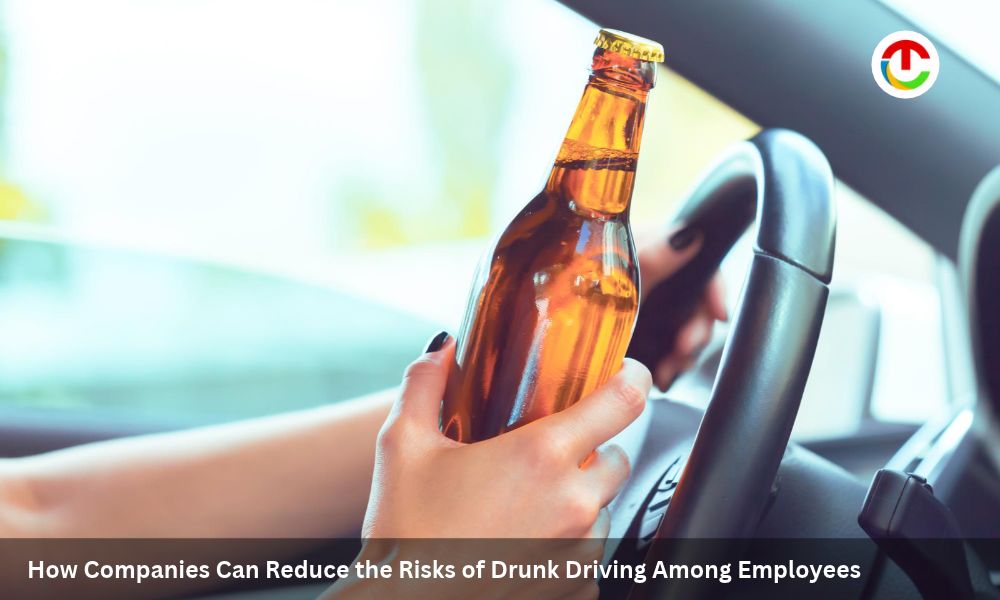
A company event, client dinner, or holiday party can be a great way for employees to relax and spend time together. But when alcohol is part of the event, employers need to think about how everyone will get home safely. One employee deciding to drive after drinking can put themselves, their coworkers, and other road users in danger.
This risk can also come up during work travel, business meetings, and team celebrations outside the office. Companies cannot control every choice an employee makes, but they can create clear rules and make safer choices easier.
A few simple steps, as outlined below, can help prevent impaired Drunk Driving and protect everyone involved.
1. Set a Clear Alcohol and Driving Policy
Employees should know what the company expects when alcohol is involved. A written policy can explain that no one should drive after drinking during a work event or while carrying out company duties.
The rules should cover more than office parties. They can also apply to client dinners, work trips, conferences, and other events where employees may drink while representing the business.
Make sure the policy explains:
- Employees must never drive a company vehicle after drinking.
- Anyone who feels impaired should arrange another way home.
- Managers should help find safe transport when needed.
- Employees should not feel pressured to drink at work events.
Keep the language simple and share the policy with all staff. It should be easy to understand, not buried in a long employee handbook.
2. Offer Safe Ways to Get Home
One of the easiest ways to reduce drunk driving is to make sure employees have another way to travel. If people know they can get home safely without driving, they may be less likely to take a risk.
For company events where alcohol is served, consider paying for rideshare trips, taxis, or a shuttle service. You could also arrange a hotel stay for employees who travel from far away or need to stay overnight.
In Reno, for example, a company hosting a dinner or event can plan transport before guests arrive. This is much easier than trying to find rides for several people at the end of the night. The key is to make these options easy to use. If employees have to pay a high fare or wait too long, some may decide to drive instead.
3. Make Alcohol-Free Choices Normal
Not everyone drinks alcohol, and employees should never feel that they have to join in. Some may avoid alcohol for health, family, religious, or personal reasons. Others may simply want to drive home.
Offer a good range of alcohol-free drinks at company events. Make sure they are easy to find and do not feel like an afterthought. Food should also be available, although eating does not make someone sober or remove alcohol from their system.
Managers can help by setting the tone. When leaders choose alcohol-free drinks or support employees who do not drink, others may feel more comfortable making the same choice.
4. Train Managers to Spot Warning Signs
Managers and event organizers should know what to do if an employee appears to have had too much to drink. Slurred speech, poor balance, confusion, and unusual behavior can all be warning signs.
They do not need to diagnose someone or argue about how much that person has consumed. Their job is to step in calmly and stop the person from driving.
A simple plan can help:
- Speak to the employee in a private and respectful way.
- Offer to arrange a taxi, rideshare, or another safe ride.
- Ask a trusted coworker or event organizer to help if needed.
- If the person still tries to drive and poses an immediate danger, contact the proper authorities.
The aim is to prevent harm, not embarrass the employee. Managers should also know who to contact if a situation becomes difficult.
5. Teach Employees About the Risks of Impaired Drunk Driving
A company policy is useful, but employees also need to understand why it exists. Alcohol can affect judgment, attention, reaction time, and coordination. A person may feel fine and still be unsafe behind the wheel.
The National Highway Traffic Safety Administration reported 11,904 deaths in alcohol-impaired driving crashes in 2024. That is about one death every 44 minutes. These figures show why businesses should take the issue seriously, even when an event seems small or informal.
Short safety talks, staff emails, and training sessions can help keep the message clear. Remind employees that even a short drive home can end in a serious crash if they are impaired.
6. Plan Ahead for Business Travel
Employees may attend conferences, visit clients, or travel between work sites as part of their jobs. These situations can involve meals and social events where alcohol is served.
Companies should include safe travel plans in their business travel rules. Employees who attend a client dinner should know how to claim a taxi or rideshare fare if they have been drinking. Managers should also avoid setting schedules that make workers feel they must drive after late events.
For employees who use company vehicles, clear rules should explain when a vehicle must not be driven and who should be contacted if a worker cannot safely continue a trip.
Know What to Do If a Crash Happens at Drunk Driving?
Even with good rules in place, accidents can still happen. If an employee is involved in a crash, the first step is to make sure everyone gets help. Call emergency services when needed and follow the proper reporting process.
The company should keep a record of the incident, including the time, location, people involved, and any available witness details. It should also follow its insurance and workplace reporting procedures.
If an employee is injured in a crash caused by an impaired driver, legal guidance may help them understand their options. A car accident DUI lawyer in Reno can review the crash details and explain possible steps for seeking compensation. Employees should also keep medical records, repair bills, and other documents linked to the accident.
Wrapping Up
Reducing drunk driving among employees starts with planning, clear rules, and support from managers. Companies can offer safe rides, make alcohol-free choices welcome, and help staff understand the risks of driving after drinking.
These steps do not need to be complex or costly. When employees know that their safety comes first and have practical ways to get home, they are more likely to make responsible choices. A little planning can help prevent a crash and keep coworkers, families, and other road users safer.
Also Read :- How to Plan a Las Vegas Bachelor Party Without Wasting Money