Car Accident Lawyer claims often involve difficult questions about responsibility, particularly when drivers give conflicting accounts of how a collision occurred. For an injured person, understanding the legal process can be challenging without knowing how New York law treats fault and the right to seek compensation. Anyone looking for guidance on Bronx car accident claims may benefit from working with counsel familiar with the state’s approach to motor vehicle cases.
New York follows a comparative negligence system, which means responsibility may be shared and a claimant’s own conduct can affect potential recovery. This makes a careful understanding of the circumstances especially important when considering a claim. The Bronx is part of a busy urban environment where local roads, intersections, and traffic patterns shape everyday travel for residents and visitors alike.
When a collision leads to injury or a dispute over responsibility, knowledgeable legal support can help individuals understand their options and decide how to move forward from Car Accident Lawyer .
1. Reading the crash scene
A careful account starts with observable facts, not conclusions. Anyone seeking guidance on car accident claims needs a record of the road layout, vehicle positions, damage, and temporary conditions. The record should identify who took each image and when. A lawyer checks whether those details fit each driver’s account and whether the evidence came from a reliable source.
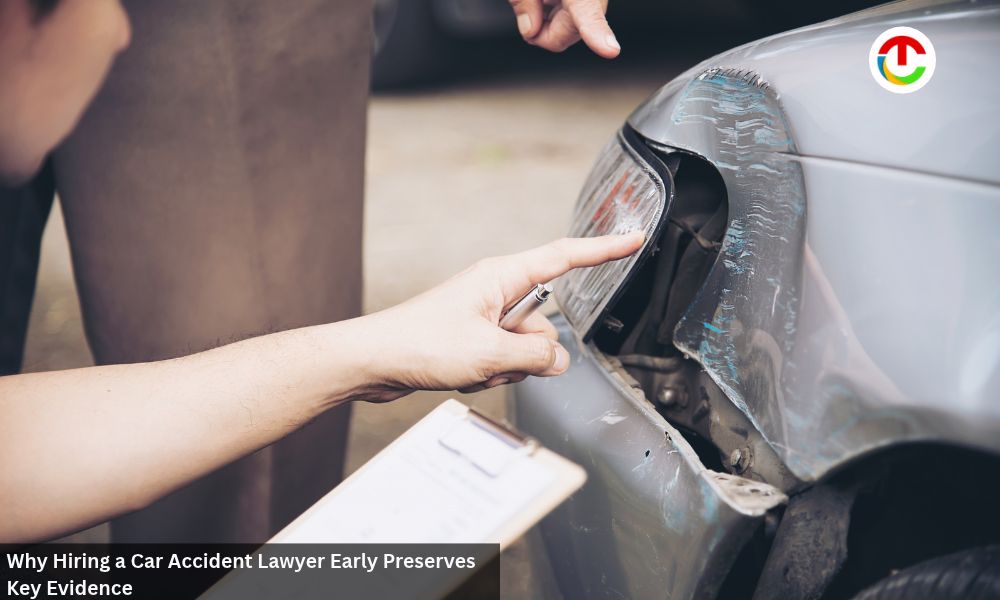
When it is safe, photographs should show the full intersection before vehicles or debris move. Close-up images record damage, broken parts, fluid marks, signs, signals, and blocked views. A lawyer compares each image with the drivers’ descriptions rather than treating a single photograph as proof.
2. Comparing damage with movement
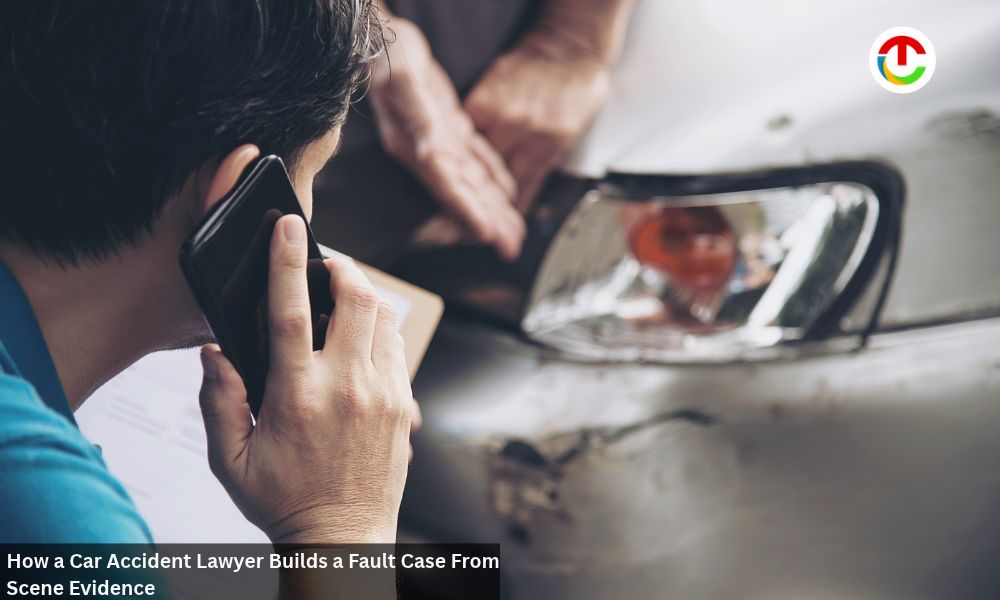
Damage location, crush direction, and broken components help explain how vehicles collided. A lawyer compares marks on both vehicles with their positions and reported directions of travel. Damage alone does not establish every driver’s actions.
The lawyer also notes which marks appear in scene photos and which come from later inspections. Towing, repairs, and routine use can change what remains visible. The case file should keep original images and identify their source.
3. Checking witness accounts
Witnesses can describe what they saw before impact, during the collision, or immediately afterward. Their position matters. A clear view of a traffic signal differs from one blocked by a vehicle or building. A lawyer records each witness’s location and what they could see.
Notes should preserve each person’s own words instead of blending separate observations into a summary. Contact information allows follow-up on details. Notes about uncertainty also prevent an incomplete view from being treated as a complete account.
4. Checking video and phone records
Nearby cameras can show vehicle movement, signal changes, or moments before impact. A lawyer identifies possible camera locations and requests preservation of relevant footage before routine deletion. The recording’s time and camera angle matter when compared with other evidence.
Phone photos and videos also need context. The person who captured a file can explain where they stood and when they recorded it. Original files retain details that edited or forwarded copies can lose, so the case file should keep the source version.
5. Reading official crash reports
A police report can include a diagram, driver statements, witness names, and observations recorded at the scene. A lawyer checks those entries against photos and other accounts, then follows up on gaps or differences. The report provides leads for review, but it does not settle every disputed fact.
Errors in names, vehicle positions, or sequence can affect how later readers interpret the crash. A lawyer flags unclear entries and separates firsthand observations from statements attributed to others. Any correction should rest on evidence, not assumption.
6. Ordering evidence into a timeline
A timeline puts events in sequence: the approach, impact, vehicle movement, and what happened afterward. A lawyer compares the order in witness accounts, photographs, video, and available dispatch records. Matching details can support an account, while conflicts show where further review is needed.
Each item should include its source and capture time, when known. The lawyer can distinguish a timestamped recording from a later recollection and identify missing intervals. A timeline also helps test whether a proposed account fits the physical evidence.
7. Turning scene evidence into a clear account
Scene evidence carries more weight when each item supports a tested sequence of events. A Car Accident Lawyer compares photographs, damage patterns, witness accounts, video, and records, then identifies gaps before assumptions shape a claim. Anyone reviewing a crash should keep original files, note who supplied them, and record their source. If an image or recording could disappear, request its preservation promptly so the case has a usable record to assess.
Also Read :- Your Car Knows What Happened: How Digital Evidence Shapes Car Crash Claims in Colorado