After a collision, the moments that follow can feel like a blur, yet important details may already be slipping away. In 2025, Florissant recorded 1,548 crashes, including 238 injury crashes and four fatal crashes. Another 368 drivers left the scene. Across Missouri, figures show 911 roadway deaths that year, 5% fewer than in 2024. Even with that improvement, local numbers show why documentation matters. A Florissant car accident lawyer can help preserve photographs, witness accounts, vehicle data, surveillance footage, and other evidence before it disappears or becomes harder to obtain.
Early legal guidance can help secure the crash report, identify potentially responsible parties, and organize medical records that connect injuries to the collision. This matters when insurers question fault, minimize symptoms, or press for a quick settlement before the full impact is clear. Acting promptly gives an injured person a better chance to build a complete, well-supported claim. It also helps prevent critical evidence from being lost while the injured person focuses on recovery.
Physical Damage Records the Impact
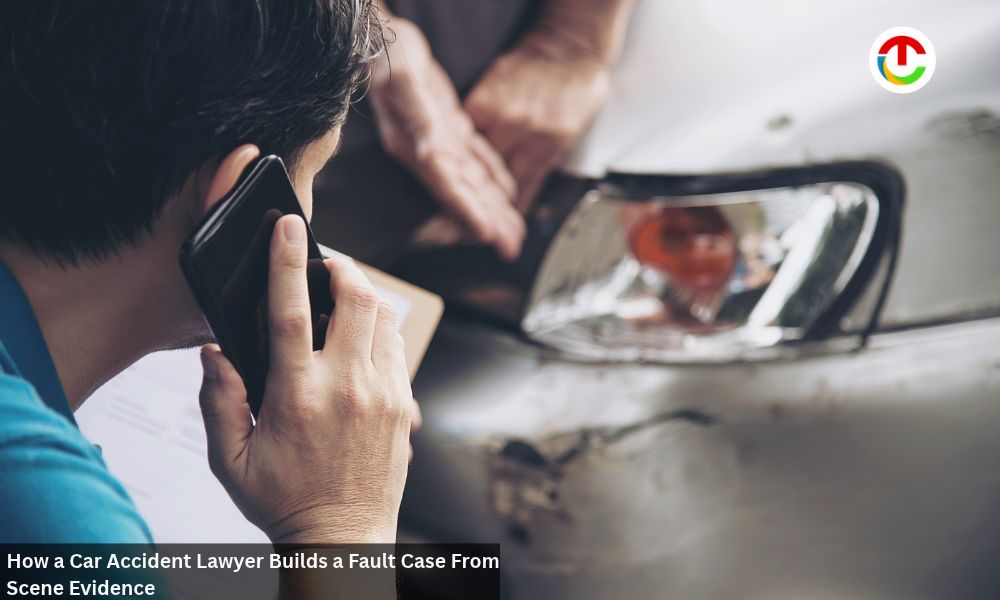
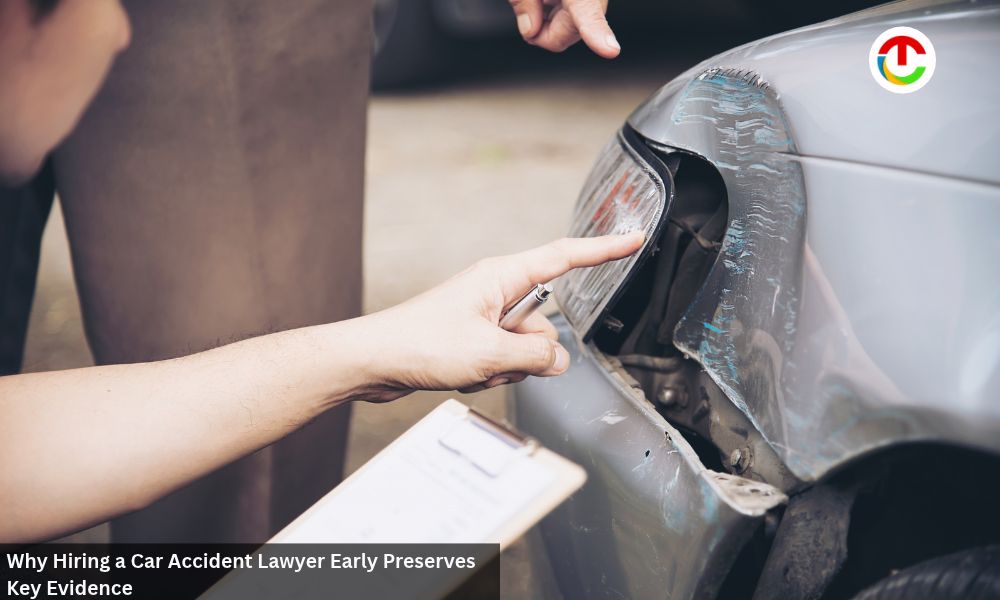
Vehicle damage can show the direction, force, and location of a collision. Photographs should capture each vehicle from several angles, including close images of damaged parts, deployed airbags, broken lights, and tyre marks. A repair shop may replace or discard damaged components before a claim reviewer examines them.
An early lawyer can request records concerning vehicle inspection, towing, storage, and repairs. Those records can help establish the vehicle’s condition after the crash. They also provide a timeline linking the collision scene to later damage assessments.
Crash Scenes Change Quickly
Roadworks, weather, traffic, and ordinary vehicle movement can alter a crash scene. Skid marks fade, debris gets removed, and damaged signs or barriers get repaired. A scene that looks different later can affect how investigators interpret the collision.
Prompt photographs should show lane markings, traffic controls, nearby intersections, lighting, visibility, and vehicle positions. A lawyer can also assess whether additional records exist, including nearby security footage or traffic control information.
Witness Memories Lose Precision
Witnesses can provide independent accounts of speed, movement, signals, impact position, and driver behavior. Their recollections become less precise as time passes. Some witnesses also change telephone numbers, move away, or forget which details they personally observed.
An injured person should record each witness’s name and contact details without pressing for a statement. A lawyer can contact witnesses in the prescribed manner and preserve their accounts. Early contact also reduces the risk of another party obtaining a one-sided version first.
Digital Evidence Needs Prompt Action
Modern crashes can leave evidence in phones, vehicles, cameras, and online accounts. Dash cameras, nearby surveillance systems, navigation records, and driver messages can establish movement or timing. Some systems automatically delete recordings after a limited period.
A lawyer can send preservation requests to parties who control relevant footage or records. This step does not guarantee that material exists or will be produced. It only creates a clear request before routine deletion or system changes remove any existing material.
Medical Records Connect Injury and Impact
Medical evidence documents symptoms, diagnoses, treatment, restrictions, and the effects of injury on daily activities. Early treatment records also establish when symptoms began and how healthcare providers assessed them. Gaps in treatment can raise questions about how a person’s injury is progressing.
An injured person should save discharge papers, appointment details, prescriptions, receipts, and written work restrictions. A lawyer can organize those records with the crash evidence. This process helps distinguish accident-related treatment from unrelated medical history.
Insurance Contact Can Alter the Record
Insurers usually seek information soon after a crash. A recorded statement, signed release, social media post, or casual description can later become part of the claim file. A tired or medicated person may use words that do not accurately describe the event or injury.
Early legal advice helps an injured person understand what information to provide and what documents require careful review. It also supports consistent communication with insurers. The aim is factual accuracy, not avoiding legitimate questions or withholding required information.
Early Review Protects the Timeline
Evidence becomes more useful when its timing is clear. An injured person should keep a simple record of the crash, medical visits, symptoms, missed work, expenses, insurer contact, and changes to the vehicle. Original photographs and messages should be stored safely.
Accident Lawyer can compare those records with police information, medical documents, witness accounts, and vehicle evidence. This comparison can reveal missing material or contradictions while there is still time to investigate them. Legal deadlines vary by state, so delaying advice can create separate risks beyond evidence loss.
Preserving the Facts That Matter for Accident Lawyer
Early legal advice gives an injured person a practical plan to preserve evidence before records disappear or memories shift. The first steps should include photographing the vehicles and scene, preserving messages and footage, attending recommended medical appointments, and recording every insurer contact.
Accident Lawyer can then assess what needs formal preservation and what information requires careful handling. Anyone injured in a crash should seek a case review before repairs, routine deletion, or fading memories narrow the available proof.
Also Read :- Your Car Knows What Happened: How Digital Evidence Shapes Car Crash Claims in Colorado