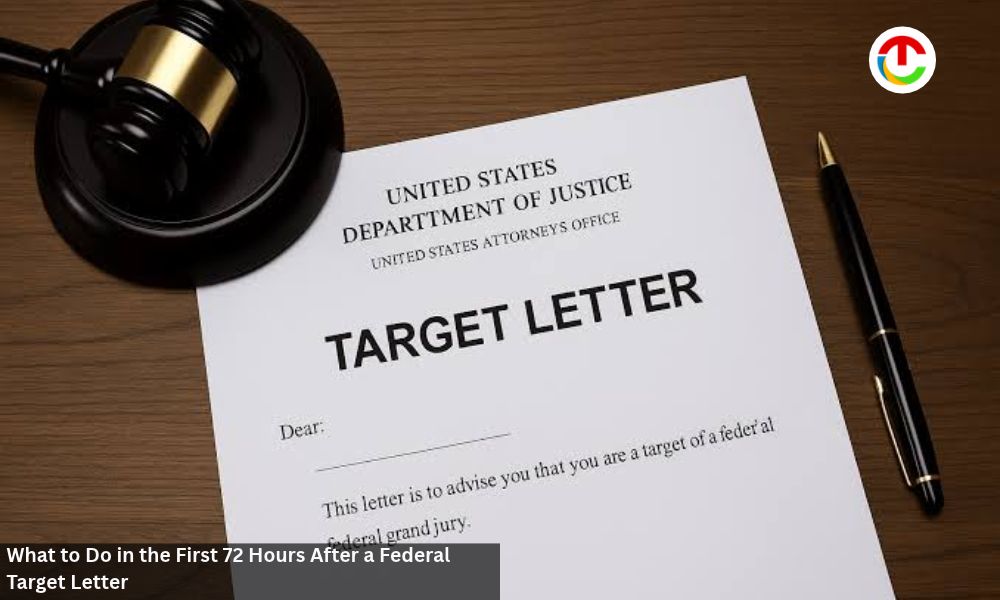
Seventy-two hours. That’s how long you have to make sure nothing you do after a federal target letter arrives becomes evidence against you. The letter itself isn’t an arrest. It’s a formal notice that a grand jury may be looking at your conduct, and the clock on your mistakes started the moment the envelope opened.
Most people spend day one calling friends who practice the wrong kind of law. They spend day two searching case law on their phone. By day three they’ve typed something into a group chat that federal prosecutors will read back to them in a conference room eighteen months later. The better move is smaller and quieter: stop talking, start preserving, and get a defense team in the room before you explain yourself to anyone. If you’re in Houston or the Southern District of Texas, the standard to look for is a firm built around white collar criminal defense and federal grand jury work, not a general practice that handles a little bit of everything.
Below is the order I’d follow, day by day, and the reasoning behind each step.
Day One: Do Nothing That Creates a Record
Your first instinct will be to call the prosecutor and clear things up. Don’t. Anything you say to an assistant U.S. attorney can be used against you, and a friendly-sounding call is still a statement. The same goes for the agent whose name sits on the letter. He isn’t your contact point. He’s a witness to whatever you tell him.
Resist the urge to discuss the letter at work, at church, or in a family group text either. Under the Federal Rules of Evidence, a party’s own statement offered against them is generally admissible, and prosecutors treat text messages as a gift. Screenshots survive phones. Group chats have a way of getting forwarded.
What you should do on day one is limited and specific. Write down, on paper, the date the letter arrived and how it was delivered. Save the envelope. Note in one or two sentences what the letter says it’s about, without trying to interpret it. Then call a lawyer who has sat across from federal prosecutors before, and keep the call short and factual. If you already have counsel, tell them the letter exists and follow their instructions to the letter.
Day Two: Preserve Everything and Destroy Nothing
Federal investigations run on documents, and the worst thing you can do is delete them. Obstruction of justice charges are built on exactly that decision, and prosecutors love them because the underlying case doesn’t even need to succeed. You can be charged for wiping an inbox whether or not anyone ever proves the original allegation.
Preservation doesn’t mean handing over your life on day two. It means identifying where relevant records live and stopping routine deletion. Emails, texts, calendar entries, business files, financial records, and any correspondence tied to the subject of the letter all matter. Turn off auto-delete on personal accounts if you have it on. Don’t move files into a new folder, don’t clean up metadata, and don’t ask IT to “tidy things up.” Preserve in place where you can, and if you must copy, keep the originals untouched.
This is also the day to stop making financial moves that will look strange on a bank statement. Large transfers, cash withdrawals, or paying down a debt you hadn’t bothered with in years all create a trail. Prosecutors read motive into patterns, and you don’t want to give them one for free.
Day Three: Build the Team, Not the Story
By day three, you should know whether you’re a target, a subject, or a witness. Those words matter, and the letter usually uses one of them. A target is someone the prosecutor believes committed the crime. A subject means the investigation could develop in your direction. A witness is just that. If the language is murky, your lawyer can often clarify it with a short call to the prosecutor’s office, and that call should come from your lawyer, not you.
Federal white collar matters rarely resolve in a single conversation. They tend to run for months or years, and the people best positioned at the end are the ones who treated the early days as a research problem. That means reviewing the records before the government does, understanding the statute the letter names, and mapping who else in the orbit might be cooperating. Most defendants never do this work early. The ones who do usually have a plan by the time the first interview request arrives.
One thing you’ll want to know about how these cases move: federal grand juries operate under rules that give prosecutors wide latitude to compel testimony and documents, and the federal courts handle both the secrecy rules and the process. Your lawyer should be able to explain the timeline without guessing at outcomes.
What a Federal Target Letter Actually Changes?
Receiving one does not mean charges are certain. It means a prosecutor has decided you’re worth writing to, which is a real escalation but not a verdict. Plenty of people receive Federal Target Letter and are never indicted. Others receive them and are indicted within weeks. The difference usually comes down to what the record shows and how the defense shapes it.
The Federal Target Letter practical effect is simpler. It converts you from somebody with no obligations into somebody with a reason to act carefully. You now have a legal problem with a formal signature on it, and your behavior from this point forward is part of the evidence the government will evaluate.
What to say if you’re asked about it?
Keep it brief and consistent. If a colleague asks why you’re not at a meeting, say you’re handling a personal legal matter. If you get a call from an agent, don’t answer questions, don’t agree to a meeting, and ask for their name and the office they’re calling from. Then call your lawyer. You have the right to remain silent, and anything you say can be used against you, which is one piece of federal guidance worth taking literally. The Department of Justice publishes the rights that apply in federal investigations, and they apply to you the moment an agent starts asking questions.
A short checklist for the first three days
- Save the letter and envelope, and note the delivery date.
- Stop deleting, moving, or reorganizing any records.
- Do not discuss the case with coworkers, friends, or family members who aren’t on your legal team.
- Hire counsel experienced in federal grand jury work, and confirm they’ve handled this exact scenario.
- Avoid unusual financial activity until your lawyer weighs in.
- Write down every person who contacts you about the case, with the time and the substance of the conversation.
The One Thing Worth Knowing About the Grand Jury
The rules governing federal grand juries are set out in the Federal Rules of Criminal Procedure, and the short version is that the process is designed to favor the prosecutor. That’s why defense work in these cases is mostly about testing evidence before it gets blessed by an indictment, and why the first 72 hours matter more than most people realize. Your goal in those three days isn’t to win. It’s to preserve every option you’ll want later, when the picture is clearer and the stakes are higher.
The clients I’ve seen come through this well had one thing in common. They got quiet fast and got counsel faster. If a Federal Target Letter just landed in your mailbox, pick up the phone before you write a single reply, and let your lawyer handle the first conversation with the government. Your next three days decide how the next three years go.
Also Read :- Why Allstate May Assign Multiple Adjusters to One Car Accident Claim