Going about the day with the aid of oxygen therapy may seem limiting as the equipment restricts movement. Some people find it hard to go out to do errands, meet friends, or even walk around due to the large size of conventional oxygen systems or the reliance on fixed systems.
Limited battery life, bulky cylinders, and frequent refueling requirements are also very inconvenient. This may, over time, decrease the trust in going outside and keeping an active schedule.
Nonetheless, the technology of oxygen therapy has developed such that these limitations are directly overcome. Contemporary portables are capable of supporting movement and not limiting it, which provides flexibility in various settings. This change enables users to live their daily routines more conveniently as they control their oxygen requirements.
This article describes the benefits of portable oxygen concentrators and how they enhance mobility and enable oxygen users to live a more active life.
1. Freedom Of Movement with Portable Oxygen Devices
When oxygen supply is reliant on a heavy tank or a stationary machine, mobility is likely to be restricted. This is where contemporary solutions come in to make a difference.
Portable Oxygen Concentrators enable users to move freely without necessarily being tied to refill routines or a stationary oxygen supply. These machines absorb oxygen in the surrounding air, and this implies that the user can walk around the block, go shopping with it, or even visit friends.
Subsequently, movement is less planned around equipment and more of following routine daily activities in a natural manner. Moreover, a smaller size and shoulder carry make carrying less physical and allow one to remain active longer without pause.
2. Travel Convenience Across Daily Routines

Short trips are a part of daily travel and may involve flexibility like commuting, running errands, or going to appointments. Portable oxygen devices make this process easier by eliminating reliance on external oxygen supply systems.
Since they are mobile, users do not have to stop to change equipment when switching between outdoor and indoor environments. This enhances uniformity in oxygen delivery during movement, which is a requirement for ensuring comfort during the day.
Moreover, most of the devices have portable characteristics like easy-to-control features and simple charging systems. As a result, users are able to plan their day less restricted and with more certainty on their capability to stay mobile.
3. Battery Performance and Power Reliability
Battery life is one of the determining factors of mobility. Even lightweight equipment is a limiting factor without dependable power.
Portable oxygen devices are designed with rechargeable batteries, which enable them to be used for many hours, after which they may be recharged. There are also models that have interchangeable batteries, further increasing the time of usability even during long outings.
Moreover, modern battery systems are set in such a way that they produce the same amount of oxygen until they run out, ensuring stable operation. This dependability minimizes the necessity of continuous supervision and lets users concentrate on actions as opposed to equipment constraints.
Consequently, the increased travel time is more viable and less stressful.
4. Lightweight Design Supporting Physical Comfort
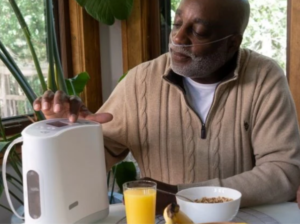
Travelling with medical equipment may be physically exhausting when the equipment is heavy or poorly balanced. Portable oxygen systems can solve this problem with constructions that are small in size and designed in an ergonomic manner.
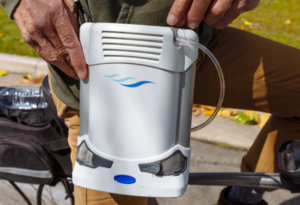
The majority of the units are constructed to be worn or carried over the shoulder or in small bags, which evenly distribute the weight and lessen the strain on the body. This is especially necessary for those who have low levels of strength or endurance.
Besides, smaller form factors allow navigating crowded areas, using staircases, or moving through transportation systems more easily. This decreased physical load over time helps to provide more regular movement throughout the day with no additional fatigue.
5. Airline and Outdoor Use Accessibility
Air travel and outdoor activities often present challenges for oxygen users due to strict equipment regulations and environmental limitations. Portable oxygen systems are designed with these scenarios in mind.
Many devices are approved for airline use, allowing individuals to carry them onboard without switching to alternative oxygen sources. This eliminates one of the biggest barriers to long-distance travel.
Outdoors, these devices perform well in different environments such as parks, sidewalks, or recreational areas. Because they do not rely on pre-filled oxygen tanks, users can remain active in open spaces without worrying about supply restrictions. This opens opportunities for travel and leisure that would otherwise require careful planning.
6. Better Independence at Home Environment
Portable oxygen systems make everyday movement inside the home much easier by removing the need to stay close to a fixed oxygen setup. Instead of adjusting activities around equipment placement, users can move naturally between rooms, complete daily tasks, and maintain regular routines without interruption.
This flexibility is especially helpful during activities like cooking, light cleaning, or simply moving from one space to another. Since the device travels with the user, there is no need to pause and reconnect equipment repeatedly, which often slows down routine work.
In addition, quiet operation plays an important role in maintaining a calm home environment. Conversations, rest, and leisure activities continue without disruption. Over time, this ease of movement supports a more comfortable and independent living experience within familiar surroundings.
7. Stable Oxygen Delivery During Physical Activity
Maintaining steady oxygen levels during movement is essential, especially when activity increases breathing demand. Portable oxygen systems are designed to adjust oxygen delivery in response to changing activity levels, which helps users stay active without frequent interruptions.
During walking, climbing stairs, or performing light physical tasks, the device continues to supply oxygen consistently. This reduces the need to stop frequently to rest, making movement feel more natural and less restrictive throughout the day.
In addition, the responsiveness of these systems helps manage unexpected changes in activity, such as walking faster or moving between different environments. As a result, users experience greater confidence in staying active, knowing their oxygen support adapts alongside their daily movements.
Conclusion
Portable oxygen systems have changed the way oxygen users experience daily movement by reducing dependency on stationary equipment and heavy tanks. With improved battery life, lightweight construction, and travel-friendly features, these devices support both short routines and extended outings with greater ease.
They also allow smoother transitions between home and outdoor environments while maintaining consistent oxygen delivery during activity. Over time, this flexibility contributes to a more active and less restricted lifestyle.
As technology continues to advance, mobility-focused oxygen solutions are expected to become even more efficient, helping users maintain independence while managing their respiratory needs effectively in everyday life.