For the past two years, artificial intelligence has largely been viewed as a powerful addition to the marketer’s toolkit. It helped generate content, improve media targeting, personalise customer experiences, and automate routine tasks. While these early applications demonstrated AI’s potential, they represented only the beginning of a much larger transformation.
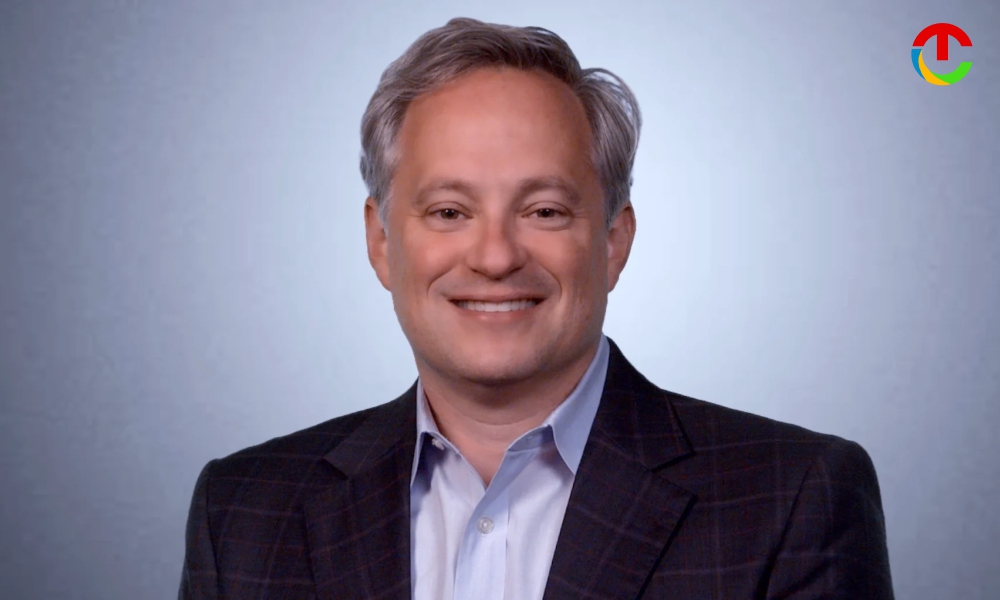
According to Jonathan Adashek, Senior Vice President of Marketing and Communications at IBM, the conversation around AI is now shifting from experimentation to reinvention.
Speaking to Campaign Middle East, Jonathan Adashek emphasized that the organisations poised to lead in the next era will not be those using AI for isolated tasks, but those embedding it into the very fabric of how marketing functions operate.
“The difference is whether AI is being treated as a technology layered onto existing processes or as a core component of how work gets done across the enterprise,” Adashek explained.
In the early stages of adoption, companies focused on testing AI across specific use cases such as content creation, media optimisation, personalisation, and productivity enhancement. These initiatives helped organisations understand the technology and build confidence in its capabilities. However, Adashek believes that merely adding AI to existing workflows creates a natural ceiling on its impact.
The next phase requires a more fundamental rethink.
Rather than asking where AI can be used, business leaders must now consider how it can be integrated into the workflows, systems, and processes that drive meaningful business outcomes. This means re-evaluating everything from campaign planning and approvals to data management, decision-making structures, and customer engagement strategies.
“Dropping AI onto existing ways of working limits impact,” Adashek noted. “Real progress comes from rethinking how we work with AI at the center.”
The implications extend well beyond marketing outputs. As AI becomes more deeply embedded within organisations, leadership teams will need to reassess operating models, talent strategies, governance frameworks, and organisational culture. In Jonathan Adashek’s view, this is not simply a technology shift—it is a business transformation.
IBM’s own experience serves as a case study in this evolution. Acting as its own “client zero,” the company has implemented more than 155 AI, automation, and hybrid cloud use cases, generating over $4.5 billion in productivity gains.
Yet for Jonathan Adashek, the most valuable lesson was not about the technology itself.
“As client zero, IBM has unlocked more than $4.5 billion in productivity gains,” he said. “But the biggest lesson wasn’t about the technology; it was about the desired outcomes and the willingness to fundamentally change how we work to achieve them.”
As organisations navigate the next chapter of AI adoption, Jonathan Adashek’s message is clear: the era of experimentation is coming to an end. The real challenge, and opportunity, lies in redesigning how work gets done. In the years ahead, AI will not simply support marketing. Increasingly, it will define how marketing operates.
Also Read : Cio Times Magazine for more information